 Save
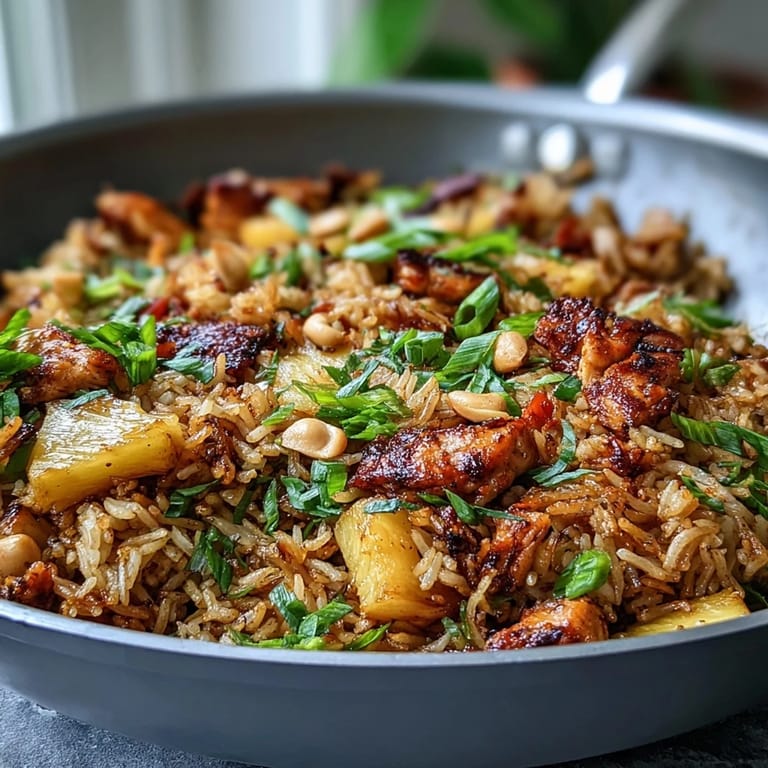
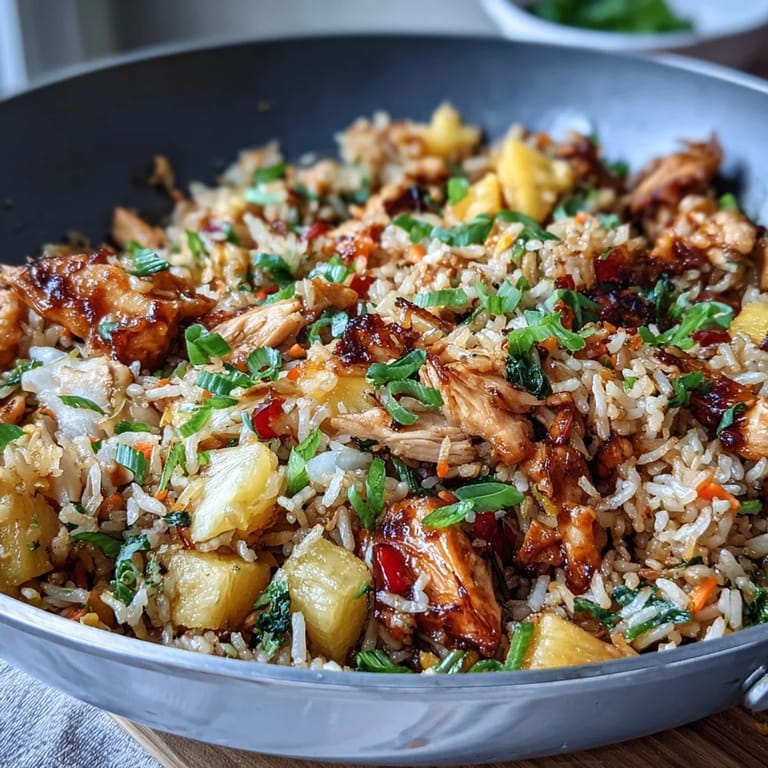
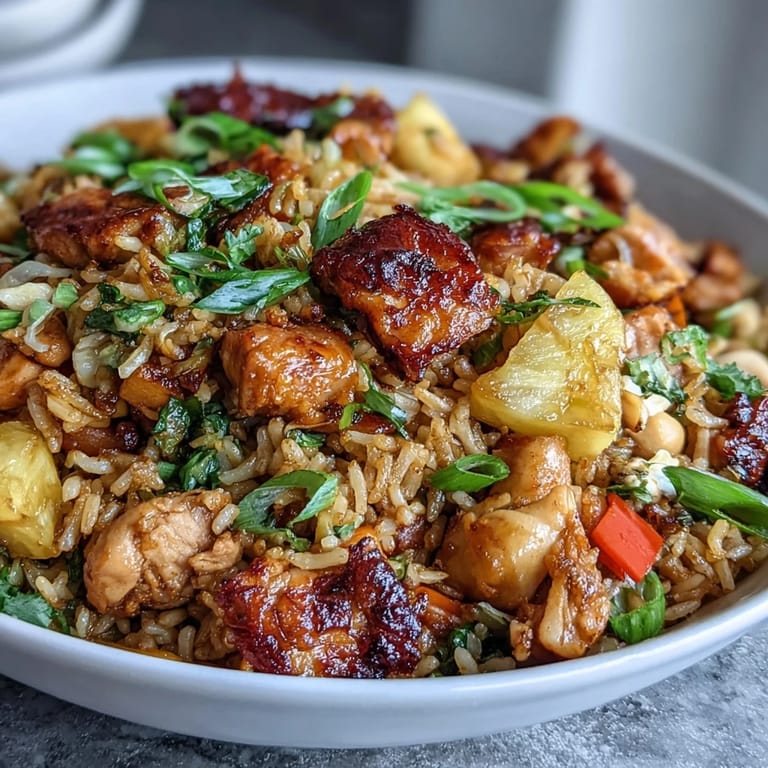
Save My kitchen smelled like the beach the night I first made this—a friend brought back fresh pineapple from the farmers market and sat on my counter while I chopped it, watching steam rise from the wok. She said it reminded her of a trip to Honolulu, and somehow that casual comment became the spark for this dish. Hawaiian pineapple chicken fried rice came together that evening almost by accident, a fusion born from what I had on hand and the promise of something tropical and bright. The sweetness of the fruit against salty soy sauce felt like a discovery, and within twenty minutes we were eating something that tasted like it belonged in a restaurant. Now it's become my go-to when I want dinner that feels both comforting and a little bit adventurous.
I made this for my sister's first night back from her new job, and she sat at the kitchen bar picking at it straight from the pan while I plated it up. She said it tasted like vacation, and that's when I realized this recipe had become one of those dishes that does more than feed you—it shifts your mood. She asked for the recipe before she'd finished her bowl, and now it's something she texts me about when she's had a rough week.
Ingredients
- Chicken breasts: Boneless and skinless cook faster and keep the dish light, though you can pound them thinner if you're in a real hurry.
- Fresh pineapple: The sweetness here is the whole point, so don't skip it for canned unless you absolutely must—and if you do, drain it well so the fried rice doesn't get soggy.
- Jasmine rice: Day-old rice is non-negotiable; it's drier and won't clump or turn mushy when you stir-fry it.
- Soy sauce and oyster sauce: These two create the savory backbone that balances the fruit, so measure them carefully the first time.
- Sesame oil: Use the good stuff here—a little goes a long way and it brings an almost nutty richness to the finish.
- Eggs: They scramble right into the rice and add protein while keeping everything silky.
- Bell pepper, peas, carrots, and green onions: Color matters as much as flavor in fried rice, and these vegetables give you both.
- Garlic and chili flakes: Garlic perfumes everything while the chili flakes let people control their own heat level.
Tired of Takeout? 🥡
Get 10 meals you can make faster than delivery arrives. Seriously.
One email. No spam. Unsubscribe anytime.
Instructions
- Cook the chicken first:
- Heat oil in your wok until it shimmers, then add chicken and listen for that satisfying sizzle. Cook until the edges are golden and the center is cooked through, about 5 to 7 minutes, stirring occasionally so it cooks evenly.
- Scramble the eggs:
- Push the cooked chicken to the side, add a touch more oil, then pour in beaten eggs and let them set just slightly before breaking them up with your spatula. They should still be a bit custard-like when you push them around.
- Build the flavor base:
- Add garlic, red pepper, and green onions, stirring constantly so the garlic doesn't burn but instead fills your kitchen with that unmistakable fragrant warmth. Cook for about 2 minutes until everything softens slightly and becomes aromatic.
- Add the vegetables and fruit:
- Toss in the peas, carrots, and pineapple, stirring for 2 to 3 minutes until the pineapple starts to caramelize slightly at the edges. The heat should coax out the fruit's natural sweetness.
- Combine everything with rice:
- Add your chilled rice, breaking up any clumps with the back of your spatula as you stir, then return the chicken to the pan. Everything should be distributed evenly so each bite has chicken, rice, and fruit.
- Season and finish:
- Pour in soy sauce, oyster sauce, sesame oil, salt, pepper, and chili flakes if using, then stir-fry for 3 to 4 minutes until the rice is heated through and the sauce coats everything. Taste as you go and adjust the soy sauce or salt if needed.
 Save
Save There was a moment in my kitchen when my skeptical nephew, the one who insists on plain white rice with nothing on it, actually asked for seconds. His mom laughed because he'd literally never done that before, and something about seeing him enjoy food that adventurous made me understand why people share recipes in the first place.
Why Fresh Pineapple Matters More Than You Think
The first time I made this with canned pineapple, something was off—it turned out fine but flat, like the dish was missing its whole personality. Fresh pineapple brings natural enzymes that cook down and caramelize at the edges, creating little pockets of concentrated sweetness that you simply don't get from canned. The texture difference is noticeable too; fresh fruit holds its shape and creates contrast against the soft rice, while canned falls apart. If you can only find canned, absolutely drain it and pat it dry before adding it, or the excess liquid will water down your fried rice.
The Temperature Game and Why It Matters
I used to think fried rice was just rice cooked in a pan with stuff mixed in, but temperature is actually the whole secret. Your wok needs to be hot enough that when you add rice, it sizzles immediately; otherwise it just steams and gets soft. The heat creates those little toasted edges on the grains that give fried rice its actual texture and depth. Keep your burner on medium-high throughout, and if things start sticking or burning, that's usually a sign you need to keep moving and stirring.
Variations and Swaps That Work Beautifully
This recipe is flexible in the best ways once you understand the formula: protein, vegetables, seasoning, rice. I've made it with shrimp when chicken seemed boring, with tofu when a vegetarian friend was coming over, even with leftover turkey around the holidays. Each version tastes distinctly itself but follows the same road to dinner. The pineapple and soy sauce keep it recognizable, while whatever protein you choose just lends its own flavor to the party.
- Shrimp cooks in just 2 to 3 minutes, so add it when you'd add chicken but watch it closely so it doesn't toughen.
- Tofu should be pressed and cubed small; fry it until the edges get golden and crispy for the best texture.
- If you hate one of the vegetables, swap it for something you actually like—bell peppers, broccoli, snap peas, mushrooms, or water chestnuts all work.
 Save
Save This dish has become my answer to the 'what's for dinner' question on nights when everyone's tired but nobody wants takeout. It's one of those recipes that tastes like someone actually tried, but honest to goodness, you barely spent time at the stove.
Recipe FAQ
- → What type of rice works best?
Day-old jasmine rice is ideal to avoid mushiness and achieve a perfect stir-fry texture.
- → Can I substitute the chicken?
Yes, shrimp or tofu can be used for a different protein option while maintaining similar cooking times.
- → How do I balance the flavors?
The combination of soy sauce, oyster sauce, and pineapple creates a sweet and savory profile that's key to this dish.
- → Is the dish spicy?
Chili flakes are optional and can be added for mild heat depending on your preference.
- → What garnishes work well?
Roasted cashews or macadamia nuts add a crunchy contrast, and extra green onions bring freshness.
- → Can this be made gluten-free?
Using gluten-free soy and oyster sauces makes the dish suitable for gluten-free diets.