 Save
Save My grandmother's cast-iron skillet hung on her kitchen wall like a trophy, and the first time she let me use it for cornbread, I was convinced I'd ruin something sacred. The butter sizzled the moment the batter hit that blackened pan, filling her kitchen with a smell so warm and golden it felt like stepping into a hug. That skillet taught me that some dishes aren't just recipes, they're rituals, and this cornbread became the one I'd make whenever I needed to remind myself what comfort actually tastes like.
I made this for a potluck once where someone brought store-bought cornbread that arrived in a plastic container, and I watched people's faces light up differently when they tasted mine still warm from the skillet. Someone asked for the recipe right there at the table, and I realized it wasn't about being fancy, it was about showing up with something made with actual care. That moment stuck with me more than any compliment ever could.
Ingredients
- Yellow cornmeal: This is the soul of the bread, giving you that distinctive gritty texture and subtle corn flavor that store-bought mixes can't replicate.
- All-purpose flour: Just enough to give structure without making it dense, but don't skip it thinking you'll use all cornmeal or you'll end up with crumbly disappointment.
- Granulated sugar: A quarter cup sounds like a lot until you taste how it balances the earthiness and creates that subtle golden sweetness.
- Baking powder and baking soda: Together they're the difference between dense and fluffy, so measure them honestly and don't double guess yourself.
- Fine salt: A pinch more than you'd think goes into the honey butter because it makes everything else taste like itself.
- Whole milk or buttermilk: Whole milk keeps it straightforward, but buttermilk adds a subtle tang that makes people ask what your secret is.
- Eggs: They bind everything and create richness without heaviness, so use them at room temperature if you can remember to pull them out ahead of time.
- Melted butter and vegetable oil: The combination gives you moisture and tenderness that butter alone can't achieve, trust this even if it seems unnecessary.
- Unsalted butter for greasing: This is your insurance policy for a perfect crust, and those two tablespoons matter more than you'd think.
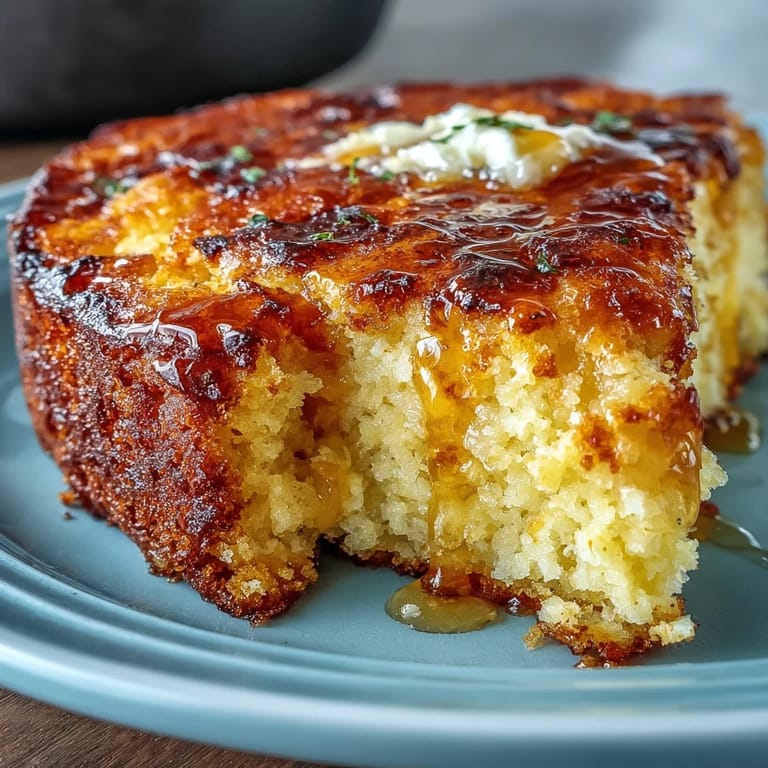
- Honey butter: Softened butter whipped with honey becomes something transcendent, and the pinch of salt keeps it from being one-note sweet.
Tired of Takeout? 🥡
Get 10 meals you can make faster than delivery arrives. Seriously.
One email. No spam. Unsubscribe anytime.
Instructions
- Heat your skillet until it's almost angry:
- Get that 10-inch cast-iron into a 425°F oven while you mix everything else, because the sizzle when the batter hits that heat is what creates the magic. This is non-negotiable if you want that crackling crust.
- Mix the dry team separately:
- Whisk cornmeal, flour, sugar, baking powder, baking soda, and salt in one bowl until they're evenly distributed and you don't see any streaks. This even distribution prevents lumps and ensures every bite has balanced leavening.
- Combine the wet ingredients with intention:
- In another bowl, whisk milk, eggs, melted butter, and vegetable oil until they're unified and smooth. This takes about one minute and prevents you from ending up with streaky batter that bakes unevenly.
- Bring them together gently:
- Pour the wet mixture into the dry ingredients and stir just until combined, leaving some small lumps visible. Overmixing is the enemy here, turning tender cornbread into something that tastes like a deflated sponge.
- Butter that screaming hot skillet:
- Pull the skillet out carefully, add those two tablespoons of butter, and swirl it around the bottom and sides while it foams. The sound and smell tell you it's ready before your brain even processes it.
- Pour and smooth:
- Transfer the batter into the hot pan and use a spatula to gently even out the top, but don't obsess over perfection. Some unevenness actually adds to the rustic charm and creates variation in crust thickness.
- Bake until golden:
- Watch it for 20 to 25 minutes until the top is deep golden and a toothpick comes out clean. The kitchen will start smelling incredible around minute 15, but don't open the door and let the heat escape.
- Make honey butter while it bakes:
- Beat softened butter with honey and a tiny pinch of salt until it's fluffy and pale, about two minutes. This is your reward for patience, and making it while the cornbread bakes means everything's ready at the same time.
- Rest and serve:
- Let it cool for 5 to 10 minutes so you can actually handle it without burning your fingers. Serve warm, watching people's eyes close on the first bite.
 Save
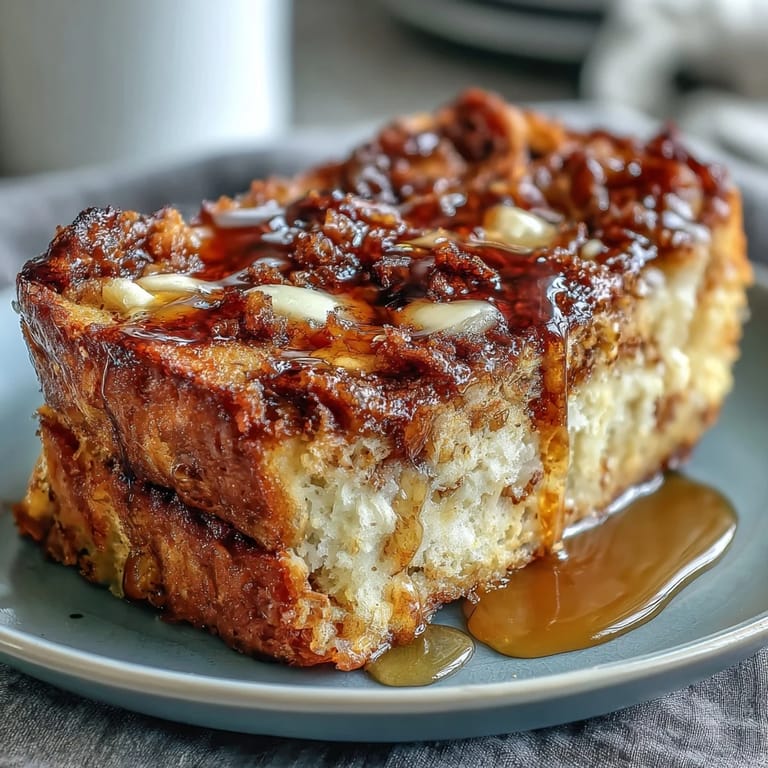
Save There's a moment when you pull golden cornbread from the oven that smells so good it becomes a family memory right there in real-time. My kids stopped doing homework once just to stand in the kitchen while it cooled, and suddenly we were talking about their day, their worries, their dreams, all because of cornbread and honey butter. That's when I understood that feeding people isn't really about nutrition, it's about creating space for connection.
Cast Iron is Your Secret Weapon
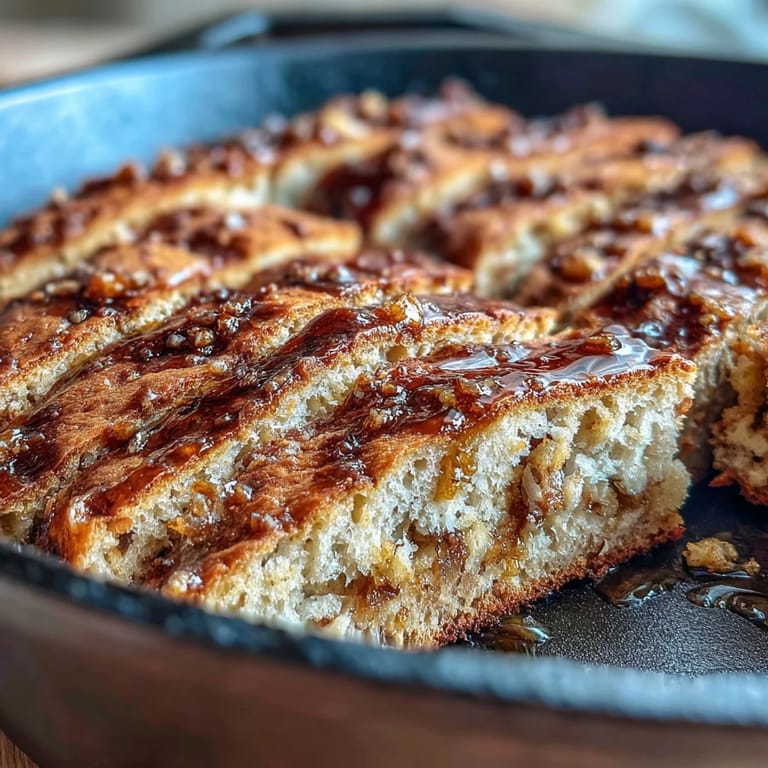
That skillet holds heat in a way regular baking pans can't, creating a crust that's crispy and slightly caramelized on the outside while the interior stays tender. Once you bake cornbread in cast-iron, you'll never go back because the difference is immediate and undeniable. The seasoning in an older skillet actually adds richness, so if someone offers to let you borrow theirs, say yes without hesitation.
Why This Batter Ratio Works
The balance of cornmeal to flour matters because too much cornmeal makes it crumbly and dry, while too much flour makes it taste like regular cake. This ratio creates something that's distinctly cornbread, with that slight grittiness that lets you know what you're eating. The fat content keeps it moist for days, which is unusual for cornbread and means you might actually have leftovers.
Variations and Moments of Creativity
Once you've made it plain, the fun starts because cornbread is infinitely customizable without losing its soul. I've added corn kernels in summer, sharp cheddar cheese for richness, and even jalapeños when I wanted to serve it with chili. The beauty is that the base recipe is so solid that additions enhance rather than complicate.
- Fresh corn kernels added to the batter create pockets of sweetness that surprise you mid-bite.
- Shredded sharp cheddar mixed in tastes incredible with barbecue and makes it hearty enough to eat on its own.
- Diced jalapeños bring heat that pairs perfectly with anything smoky or spicy, and people always ask what makes it taste special.
 Save
Save This cornbread is one of those recipes that tastes like home no matter where you're actually standing, and it only gets better each time you make it. Keep that skillet seasoned and ready because once people taste what you make in it, you'll be baking this more often than you'd expect.
Recipe FAQ
- → What type of skillet works best for this cornbread?
A 10-inch cast-iron skillet is ideal as it retains heat evenly, producing a crisp crust and moist interior.
- → Can I substitute whole milk with buttermilk?
Yes, using buttermilk adds a slight tang and extra richness to the batter, enhancing flavor and texture.
- → How do I prevent the cornbread from sticking to the skillet?
Grease the hot cast-iron skillet generously with unsalted butter before adding the batter to ensure easy release.
- → What variations can be added for extra flavor?
Add-ins like corn kernels, shredded cheddar, or chopped jalapeños introduce new textures and deepen the flavor profile.
- → How should the honey butter be prepared?
Beat softened unsalted butter with honey and a pinch of salt until smooth and fluffy for a luscious topping.
- → What dishes pair well with this cornbread?
It complements barbecue, chili, fried chicken, and other Southern comfort foods beautifully.