 Save
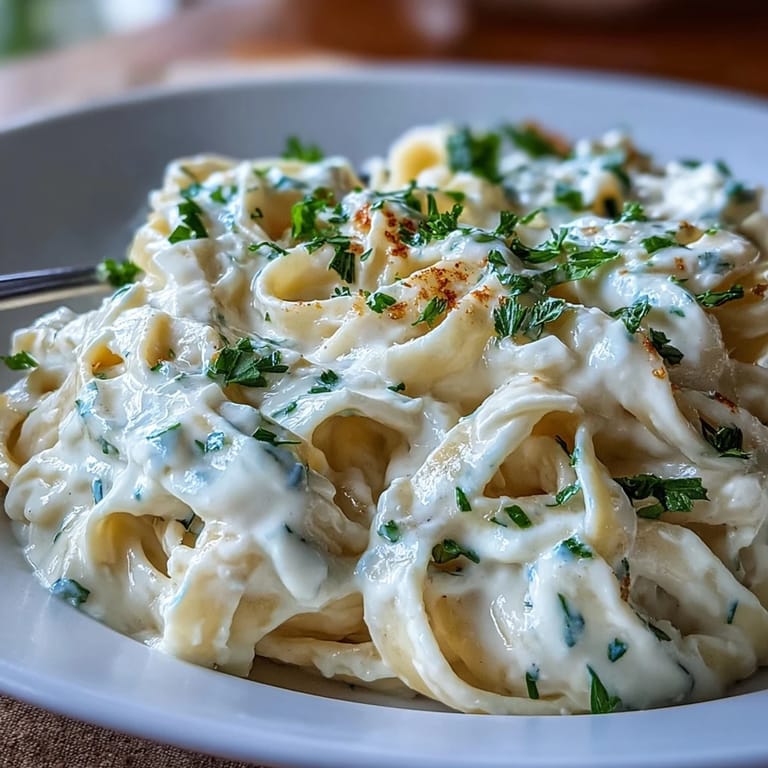
Save I discovered this recipe on a Tuesday when I was craving pasta but didn't want the heaviness that usually comes with it. My blender sat on the counter catching dust, and I thought, why not try turning cauliflower into something silky and luxurious? The first time I made it, my kitchen filled with this nutty, garlicky steam, and I realized I'd stumbled onto something that felt indulgent without any of the guilt.
My sister was visiting last spring, and I made this for her without telling her what the sauce actually was. She took one bite, closed her eyes, and asked if I'd finally started making real Alfredo at home. When I confessed it was cauliflower, she didn't believe me until I showed her the pot of florets. That moment, her surprised laugh and the way she went back for seconds, made me understand that comfort food doesn't need to apologize for what it's made from.
Ingredients
- Cauliflower florets (about 700 g): This is your secret—cooked until completely soft, it becomes impossibly creamy when blended, creating the backbone of your sauce.
- Garlic (3 cloves): Cook these alongside the cauliflower so they become sweet and mellow, adding depth without any harsh bite.
- Yellow onion (1 small, chopped): It dissolves into the sauce during cooking, adding subtle sweetness that balances everything.
- Unsalted butter (2 tablespoons): This adds richness and helps emulsify the sauce into something velvety—don't skip it or substitute with oil.
- Parmesan cheese (1/3 cup grated): Use real Parmesan if you can; the nutty, salty notes are what make you forget you're eating vegetables.
- Milk (1/2 cup): Dairy or plant-based both work, but the kind you choose affects the final richness—experiment to find your preference.
- Fettuccine or linguine (350 g): Wider noodles hold onto this sauce better than thin strands, so choose accordingly.
- Salt, black pepper, nutmeg: Salt brings everything into focus, pepper adds a gentle warmth, and nutmeg—even just a pinch—reminds you that this is Alfredo.
Tired of Takeout? 🥡
Get 10 meals you can make faster than delivery arrives. Seriously.
One email. No spam. Unsubscribe anytime.
Instructions
- Boil your vegetables until tender:
- Bring salted water to a rolling boil, then add your cauliflower florets, garlic, and onion all at once. You want them cooking together so the flavors mingle—this takes about 8 to 10 minutes and you'll know they're ready when a fork pierces the cauliflower without resistance.
- Transfer to the blender:
- Use a slotted spoon to fish out the softened vegetables, leaving the cooking water behind in the pot. This water becomes your secret ingredient later, so don't discard it.
- Blend into creaminess:
- Add butter, Parmesan, milk, salt, pepper, and nutmeg to the blender with your vegetables. Start blending on low, then increase speed, watching as the mixture transforms from chunky to impossibly smooth—if it seems too thick, splash in a bit of that reserved cooking water.
- Cook your pasta:
- Return to your pot and cook fettuccine or linguine according to package directions, stirring occasionally so nothing sticks. The goal is al dente—still with a slight resistance when you bite—and don't forget to reserve about a cup of that starchy pasta water before draining.
- Bring it all together:
- Return drained pasta to the pot, pour your cauliflower sauce over it, and toss gently but thoroughly. The sauce might seem a touch thick at first, but add pasta water a splash at a time until you reach that glossy, coat-every-strand consistency you're after.
- Taste and serve:
- Give it a final taste for salt and pepper, then divide among bowls and finish with a handful of fresh parsley and extra Parmesan if you're feeling generous.
 Save
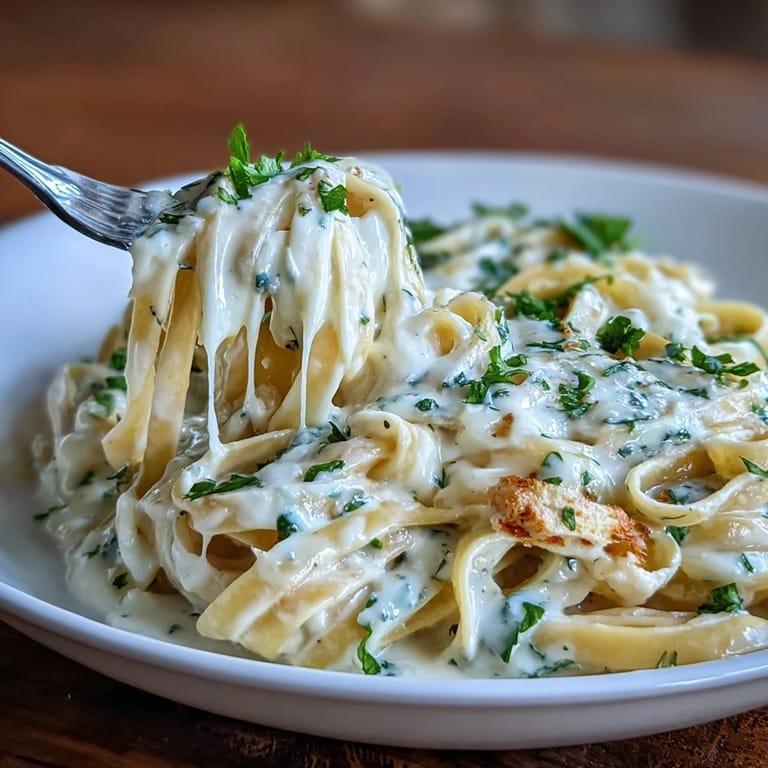
Save There's a quiet moment when you first taste this dish that makes you pause. The sauce coats your tongue in a way that feels familiar and comforting, but then you realize there's no cream, no heavy feeling, just pure vegetable goodness pretending to be indulgence. It's become my favorite thing to make when I want to feel taken care of without taking myself too seriously.
The Magic of Cooking Water
I learned this trick by accident when I drained my pasta water straight down the sink on the first try, then panicked because my sauce looked like cement. The second time, I kept that starchy water, and everything changed. That pasta cooking water isn't just water—it's an emulsifier that helps your sauce flow and coat the noodles in a way nothing else can replicate. It's the difference between a dish that tastes good and one that tastes like someone really cared when making it.
Variations That Keep It Interesting
The beauty of this recipe is how forgiving it is. One evening, I added a handful of sautéed mushrooms to mine, and the earthiness made everything taste more substantial. Another time, my partner stirred in some steamed broccoli for a bit of texture, and we both loved how the bites changed as you ate. For vegan dinners, I swap the butter for vegan butter and use nutritional yeast instead of Parmesan—not quite the same, but genuinely delicious in its own right.
Storage and Make-Ahead Tips
This dish is best served fresh, but life doesn't always cooperate with that ideal. I've kept leftovers in the fridge for three days, though the sauce does thicken slightly—just reheat gently with a splash of milk to loosen it back up. The cauliflower sauce can actually be made a day ahead and stored separately from the pasta, which saves time on busy weeknights when you want something that feels like you spent hours cooking but didn't.
- Make the sauce in advance and reheat gently before tossing with pasta, never in the microwave where it might split.
- Freeze the blended cauliflower sauce in portions for up to a month, thawing in the fridge overnight before use.
- Always add fresh pasta water when reheating, never just cream, to restore the silky texture that makes this dish special.
 Save
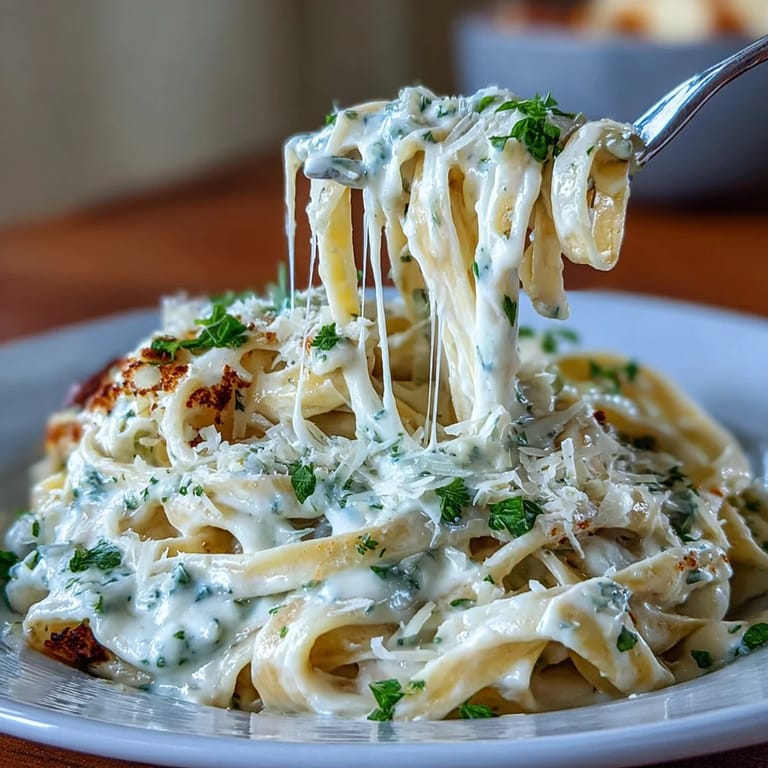
Save This recipe taught me that comfort food doesn't need to be heavy or complicated to feel meaningful. It's become the dish I make when I want to take care of myself, and somehow it always tastes like coming home.
Recipe FAQ
- → Is cauliflower Alfredo as creamy as traditional Alfredo?
Yes, when blended until completely smooth, cauliflower creates an incredibly velvety texture that rivals traditional cream-based sauces. The addition of butter, Parmesan, and a splash of milk ensures the sauce coats pasta beautifully.
- → Can I make this Alfredo vegan?
Absolutely. Substitute the butter with vegan butter, use unsweetened plant-based milk like almond or oat, and replace Parmesan with nutritional yeast or vegan Parmesan. The sauce remains just as creamy and flavorful.
- → What pasta works best with cauliflower Alfredo?
Fettuccine and linguine are classic choices because their flat surfaces hold the sauce well. However, penne, rigatoni, or even spaghetti work perfectly. Gluten-free pasta is also an excellent option for those with dietary restrictions.
- → How long does this dish keep in the refrigerator?
Store leftover cauliflower Alfredo in an airtight container for up to 3-4 days. Reheat gently with a splash of water or milk to restore the creamy consistency. The pasta may absorb more sauce over time, so thinning it out helps.
- → Can I freeze cauliflower Alfredo sauce?
The sauce freezes beautifully for up to 3 months. Blend and cool completely before transferring to freezer-safe containers. Thaw overnight in the refrigerator and reheat with a little liquid. For best results, freeze sauce separately from pasta.
- → What vegetables can I add to this dish?
Sautéed mushrooms, steamed broccoli, roasted cherry tomatoes, or spinach all complement the creamy sauce beautifully. Add vegetables during cooking or stir them in when tossing the pasta for extra nutrition and texture.