 Save
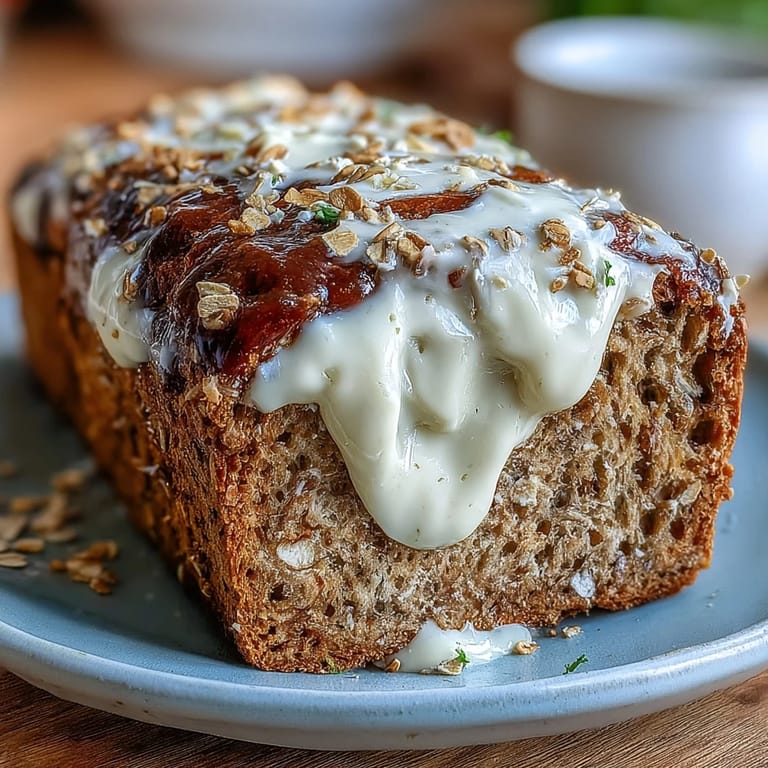
Save There's something about the smell of brown bread baking that stops time in an Irish kitchen. My neighbor brought over a loaf one rainy afternoon, still warm, and the butter melted into rivers across each slice—I was hooked immediately. Years later, I finally asked for her method, and what arrived was wonderfully simple: wholemeal flour, buttermilk, and the kind of no-fuss approach that makes you wonder why you ever bought bread from a shop. The honey butter came later, a little flourish that turned a humble loaf into something people actually fought over at breakfast.
I made this for a cottage weekend with friends who'd never had real Irish brown bread before, only the dense, overly sweet grocery store versions. When we pulled it from the oven and that kitchen filled with warmth and toasted grain, someone actually sat down and ate three slices before we'd even poured tea. That's when I realized this bread isn't fancy or complicated—it's just deeply satisfying, the kind of thing that makes people slow down and actually taste what they're eating.
Ingredients
- Whole wheat flour (250 g): The backbone of this bread, giving it that earthy, slightly nutty flavor and sturdy crumb that holds up to butter and jam without falling apart.
- All-purpose flour (125 g): Keeps the loaf tender and lighter than if you used wheat flour alone—it's the balance that makes this work.
- Baking soda (1 teaspoon): The only leavening agent here; it reacts with the buttermilk's acidity to create lift, which is why you can't substitute regular milk and expect the same rise.
- Salt (1 teaspoon): Brings out the grain flavor and steadies everything—never skip it, even though the amount seems small.
- Rolled oats (2 tablespoons, plus extra for topping): Adds texture and a touch of sweetness; the topping oats catch the oven heat and turn into little golden crowns.
- Brown sugar (2 tablespoons): A whisper of sweetness that doesn't overpower but rounds out the whole grain edge.
- Buttermilk (480 ml): The secret ingredient that makes this dough work; the acidity is what activates the baking soda and creates that tender crumb.
- Unsalted butter (115 g): For the honey butter, softened means you can actually blend it with honey without fighting lumps.
- Honey (2 tablespoons): Choose something with character—wildflower or clover honey add complexity that plain honey can't match.
Tired of Takeout? 🥡
Get 10 meals you can make faster than delivery arrives. Seriously.
One email. No spam. Unsubscribe anytime.
Instructions
- Heat your oven and prep your pan:
- Set the oven to 425°F (220°C) and line a baking sheet with parchment or lightly grease a loaf pan—this bread wants to slide out easily without sticking. A baking sheet gives you a more rustic round loaf with crispy edges, while a loaf pan creates that neat sliceable shape.
- Combine all the dry ingredients:
- In a large bowl, whisk together the whole wheat flour, all-purpose flour, baking soda, salt, rolled oats, and brown sugar until everything is evenly distributed. This step prevents lumps of baking soda that would taste bitter in your finished bread.
- Create the well and add buttermilk:
- Make a small well in the center of your dry mixture and pour in all the buttermilk at once. Using a wooden spoon, stir gently in a circular motion until a shaggy, slightly sticky dough forms—this should take maybe 30 seconds. Resist the urge to keep stirring; overworking develops gluten and makes the bread tough and dense instead of tender.
- Shape your loaf:
- Dust your work surface lightly with flour and turn out the dough, which will feel soft and a bit sticky—that's exactly right. With floured hands, gently shape it into a round, about 2 inches thick, then transfer it to your prepared pan or sheet.
- Score the top with intention:
- Using a sharp knife, cut a deep cross from top to bottom, about 1/4 inch deep, then make another cut perpendicular to it. This isn't decoration; it helps heat penetrate to the center and gives the bread room to expand without cracking elsewhere. Sprinkle extra oats on top if you want that rustic finish.
- Bake until golden and hollow:
- Slide into the oven for 35 to 40 minutes, watching for deep golden-brown color on top. To test doneness, tap the bottom of the loaf—it should sound hollow, like tapping a wooden table. If you're unsure, bake another 5 minutes; underbaked bread will feel gummy inside.
- Make the honey butter while bread cools:
- In a small bowl, combine softened butter, honey, and a tiny pinch of salt, beating with a hand mixer or whisk until smooth and creamy. The softened butter is key; cold butter won't blend properly and you'll end up with visible honey streaks instead of a cohesive spread.
- Slice and serve with intention:
- Once the bread has cooled for at least 10 minutes, slice it and spread each piece generously with honey butter while still warm. The warmth helps the butter melt into every crevice, and that's when the magic happens.
 Save
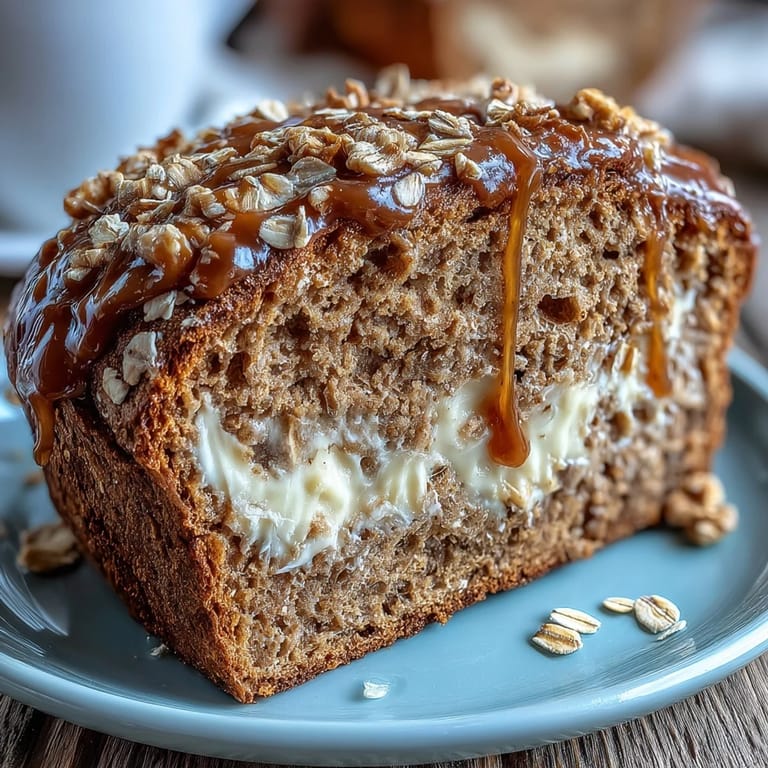
Save A friend who'd lived in Dublin for years told me she missed brown bread more than she missed anything else about home—more than rain or accents or the way light falls in summer. When I brought her a loaf still warm from my oven, she sat at my kitchen table and cried a little while eating it with that honey butter, and suddenly I understood that food isn't just sustenance; it's memory made edible.
Why This Bread Matters
Irish brown bread exists because of practicality and good sense—it uses ingredients that travel well and flavors that satisfy deeply. In kitchens across Ireland and beyond, this bread has fed children before school, scooped up stew at dinner tables, and been wrapped in cloth to bring to neighbors who needed comfort. There's no pretense here, just the straightforward idea that good food doesn't need to be complicated.
Making It Your Own
Once you've made this bread a few times, the variations whisper at you from the pantry shelves. I've added crushed walnuts for earthiness, sunflower seeds for crunch, even a tablespoon of molasses to deepen the color and flavor. The base recipe is sturdy enough to handle these additions without falling apart, which is the mark of a truly good recipe—it invites you to play.
Serving Suggestions & Storage Wisdom
Serve this bread warm with honey butter if you want pure joy, or let it cool completely and slice it thinner for sandwiches and toasting. It keeps wrapped in cloth on the counter for two days, gets better when toasted on the third day, and freezes beautifully for up to three months—slice it first, then thaw individual pieces as you need them.
- Pair warm slices with soup or stew for a meal that feels like a hug.
- Toast day-old slices and spread with butter and jam for a breakfast that beats any store-bought option.
- If you make the vegan version, use plant-based butter and replace buttermilk with unsweetened plant milk mixed with a teaspoon of vinegar or lemon juice.
 Save
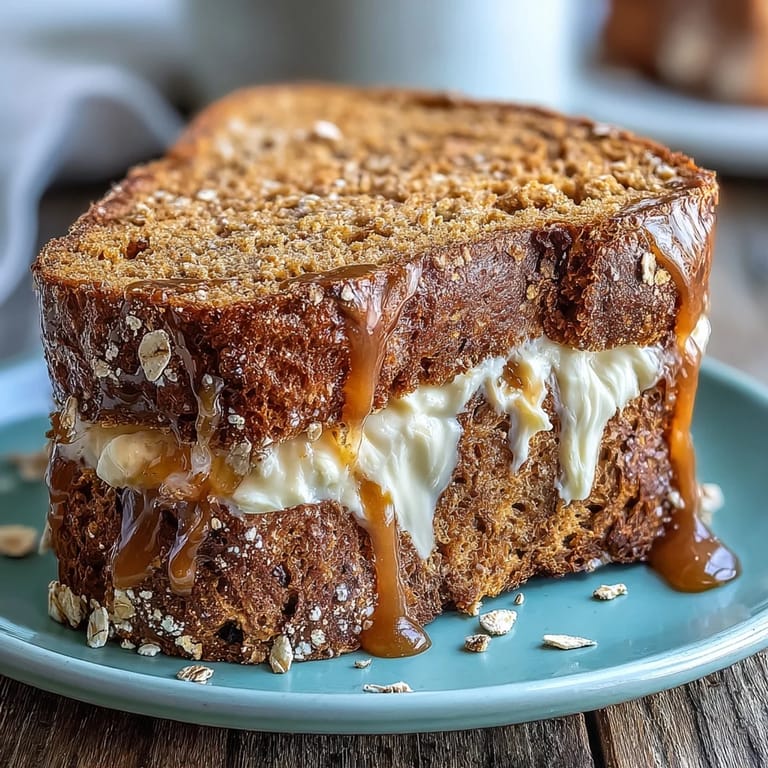
Save This bread changed how I think about baking—it showed me that the simplest recipes, made with attention and care, often taste better than anything complicated. Make it once, and you'll find yourself reaching for it whenever you need comfort or something real to share.
Recipe FAQ
- → What gives the bread its sweetness?
The subtle sweetness comes from brown sugar in the dough and the honey mixed into the butter spread.
- → Can I use plant-based alternatives for this bread?
Yes, substituting plant-based butter and using a milk alternative mixed with vinegar can create a dairy-free version.
- → Why is baking soda used in this bread?
Baking soda acts as a leavening agent, helping the bread rise and giving it a tender crumb.
- → How can I add a nutty flavor to the bread?
Adding chopped walnuts or sunflower seeds to the dough provides a pleasant nutty taste and texture.
- → What is the best way to check if the bread is done baking?
Tap the bottom of the loaf; it should sound hollow when fully baked.