 Save
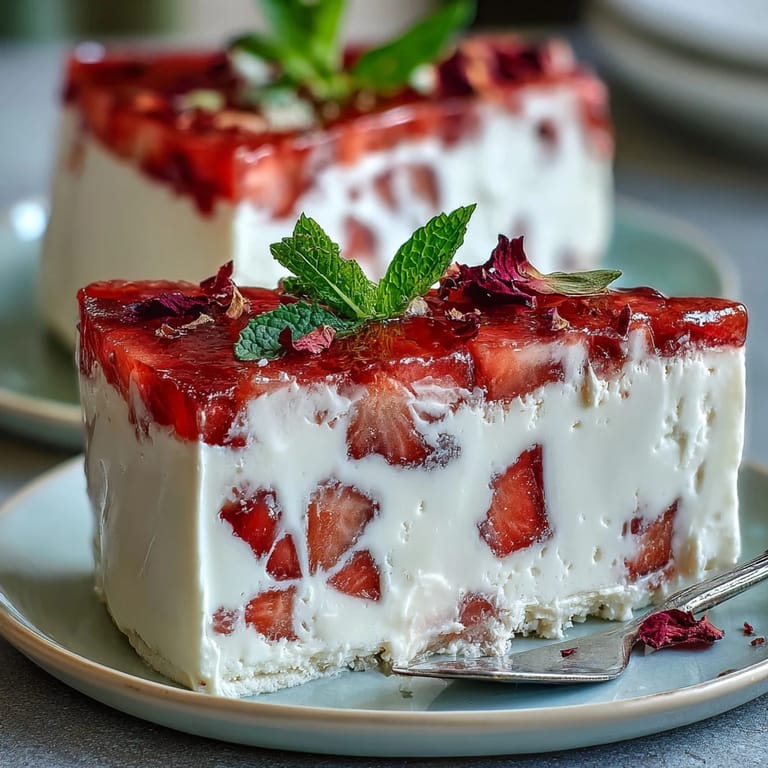
Save The first time I made this Strawberry Rose Gelatin Mosaic Cake, the whole kitchen filled with the scent of sweet rosewater, and the gentle sound of cubes clinking in a bowl made me pause and smile. I found myself humming along to a summer playlist while swirling pink cubes into glossy cream, marveling at how cheery the dessert looked even before it set. The blend of strawberry and rose always surprises new tasters, a sort of edible confetti that invites curiosity—and second helpings. It’s a treat I’m drawn to for how it sparkles at parties yet feels refreshingly light on hot days. Every batch is a little celebration in itself.
There was an afternoon when my cousin and I tackled this cake for her garden birthday party, laughing as our gelatin cubes threatened to wobble off the cutting board. The breeze carried a whisper of rose and strawberries as we tried (and sometimes failed) to get the perfect mosaic pattern in the bundt pan. We sneaked a few cubes each—couldn’t resist—before finally assembling everything, sticky hands and all. That evening, the cake stood on the table like a jewel, and baking it together made for the real memory. By dessert time, the adults were as giddy as the kids spotting their favorite colors in each slice.
Ingredients
- Strawberry gelatin: Opt for a bright, fruity brand—the bolder the flavor, the more it stands out among the floral notes.
- Boiling water: Bring it truly to a boil, not just steaming, so the gelatin dissolves completely with no gritty bits left behind.
- Unflavored gelatin: This sets up both your rose and cream layers; always let it bloom fully for the silkiest texture.
- Water: Use filtered water for a clean, crisp taste in both the gelatin and rose layers.
- Rose water: Add it with a light hand; a little pumps up the floral aroma beautifully, but too much quickly becomes overpowering.
- Granulated sugar: Sweetens each bite and balances the subtle perfume of the rose; dissolve it entirely for a glassy finish.
- Pink food coloring: Optional, but just a drop makes every cube blush and pop against the cream backdrop.
- Whole milk: Provides the creamy base—full-fat makes it especially luscious and helps the dessert unmold smoothly.
- Heavy cream: Adds luxurious body; don’t substitute with lighter creams or you might miss that silky mouthfeel.
- Sweetened condensed milk: Brings both sweetness and a caramel undertone that sets off the floral and fruity notes.
- Vanilla extract: Warm and mellow, it rounds out the flavors so nothing feels one-dimensional.
Tired of Takeout? 🥡
Get 10 meals you can make faster than delivery arrives. Seriously.
One email. No spam. Unsubscribe anytime.
Instructions
- Set the strawberry gelatin:
- Pour the strawberry-flavored gelatin into boiling water, stirring slowly as its grains dissolve, then transfer to a shallow dish. Once it cools, slide it into the fridge—watch as it firms up to a satisfyingly bouncy texture in about an hour.
- Whip up the rose gelatin:
- Let the unflavored gelatin bloom over cold water while you heat sugar and water until crystal clear. Off the heat, stir in the bloomed gelatin, rose water, and a hint of pink color, then chill in a separate shallow dish until set.
- Cube the mosaics:
- Run a sharp knife through both trays, slicing into 1-2 cm squares—this is the step where it’s hard not to nibble a few. Gently loosen the cubes with a spatula and set them aside.
- Mix the creamy base:
- Bloom more unflavored gelatin over cold water while you heat milk and cream to a shy simmer (don’t let it boil). Off the heat, whisk in gelatin, swirl in condensed milk and vanilla, and cool the mixture until just lukewarm so the cubes won’t melt later.
- Assemble the cake:
- Tumble the colored cubes lightly into a ring or bundt mold, mingling them gently without squishing their edges. Pour the cooled cream mixture over the cubes, tapping the mold to coax out any sneaky air pockets.
- Chill to perfection:
- Refrigerate for at least 3-4 hours until the whole cake is firm to the touch and jiggles invitingly when you nudge it.
- Unmold and serve:
- Dip the mold’s base quickly in warm water, then invert it onto a plate—the cake slides out with a satisfying sigh. Slice with a sharp, wet knife for crisp slices and serve chilled.
 Save
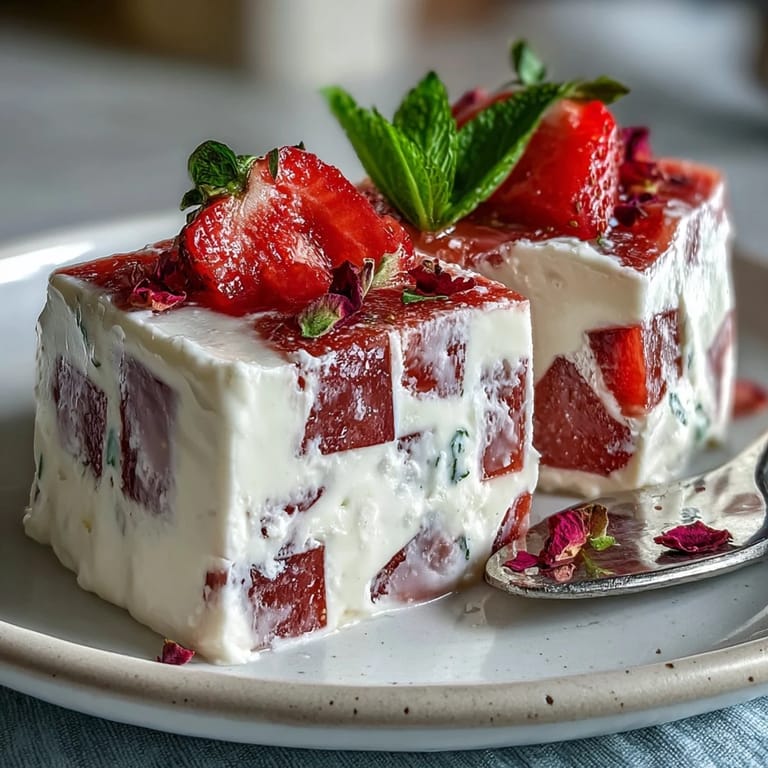
Save One summer picnic, I watched guests pause mid-conversation when this cake appeared, a hush falling before forks eagerly clinked on plates. Something about those artful, jellied cubes woven through sweet cream turned a simple dessert into a centerpiece—and made everyone want to linger just a bit longer around the table together.
Mixing Up Colors and Flavors
The most delightful part is experimenting: sometimes I trade the rose water for a splash of elderflower syrup or even a hint of orange zest for brightness. Adding fresh strawberry pieces to the milk while warming it infuses a barely-there pink color and a summery fragrance that’s utterly irresistible. Each batch becomes a reflection of the season or the mood in your kitchen, so don’t hesitate to get playful with accents and additions.
Making It Vegetarian Friendly
It took a few tries, but using high-quality vegetarian gelatin (like agar or a certified veggie-friendly brand) means everyone can enjoy a slice regardless of dietary needs. The texture is slightly firmer than the classic bouncy feel, but the cake sets beautifully and unmolds without drama. Just adjust the proportion as veggie alternatives can need less liquid or a little extra blooming time.
Decorating and Serving with Style
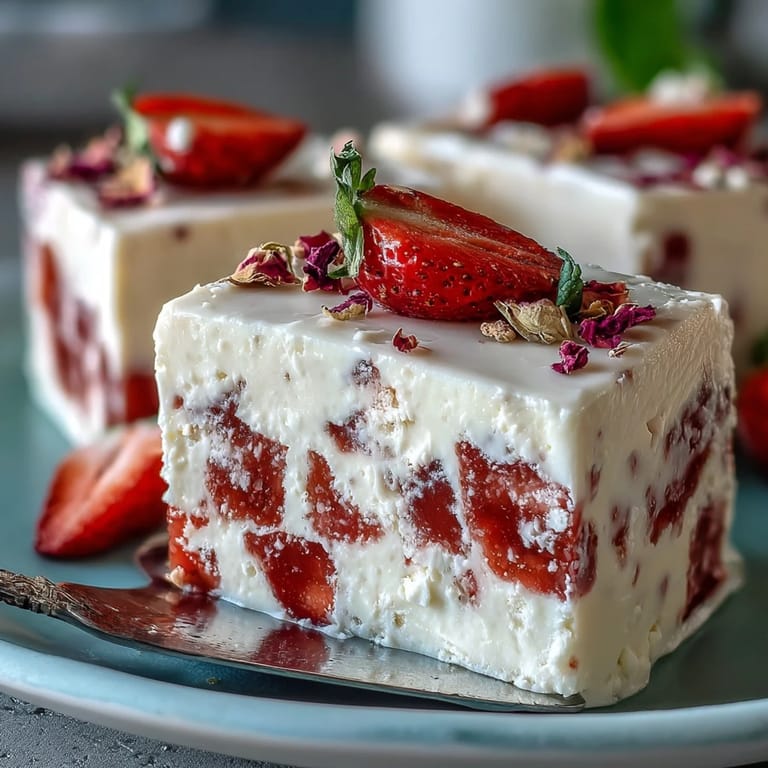
Right before serving, I like to strew a few edible rose petals and juicy fresh strawberries along the rim for a fresh-from-the-garden look. A light dusting of powdered sugar adds a gentle shimmer if your gathering calls for a hint of magic.
- If you unmold and see a little unevenness, just drape on berries or petals—perfection is overrated.
- A sharp knife dipped in hot water cuts the neatest slices.
- Don’t skip the chill: the colder, the better for clean slices and intensely refreshing flavor.
 Save
Save No matter the occasion, serving this cake is a guaranteed way to coax out smiles and start happy conversations. Hope it brightens your table as much as it has mine.
Recipe FAQ
- → How can I make the gelatin vegetarian-friendly?
Substitute animal gelatin with agar-agar using manufacturer guidance; agar sets firmer and may require heating longer and adjusting quantities. Make a small test batch to match the desired texture before assembling the full set.
- → How do I prevent the colored gelatins from bleeding into the cream base?
Fully chill and set the flavored gelatins before cutting into cubes, and pat them dry with paper towels to remove surface moisture. Arrange cubes gently and pour the cooled (not hot) cream mixture so colors remain distinct.
- → What is the best way to ensure a smooth cream base without lumps?
Bloom the unflavored gelatin in cold water first, then dissolve it in warm milk and cream heated until just steaming (do not boil). Whisk in sweetened condensed milk and vanilla while the liquid is lukewarm to keep the base silky and pourable.
- → Tips for unmolding cleanly?
Briefly dip the ring or bundt mold into warm water for a few seconds to loosen the edges, then invert onto a plate. Avoid submerging the mold; warm just enough to release the set edges for a clean lift.
- → Can I infuse extra flavor into the cream?
Yes—gently warm the milk with fresh strawberry slices, a strip of orange zest, or a few crushed cardamom pods, then strain before dissolving the gelatin. Keep infusions subtle to complement the rose and strawberry notes.
- → How should I store leftovers and how long do they keep?
Cover and refrigerate slices for up to 3 days. Keep chilled to maintain texture; avoid freezing, as freezing alters gelatin structure and the creamy base may separate upon thawing.