 Save
Save My sister called me three days before Mother's Day in a panic—she'd promised mum a homemade cake but had no idea what to make. I suggested lemon drizzle, and she laughed, saying it sounded too fancy for her kitchen skills. That weekend, I watched her crack eggs with determination, the zest flying everywhere, and something clicked: this cake isn't about perfection, it's about showing up with butter-stained hands and love. The edible flowers were her touch, scattered like tiny confetti, turning a simple cake into something that said everything words couldn't.
I'll never forget the smell of that lemon zest hitting the warm butter and sugar—thick, almost perfumy, filling the entire kitchen in seconds. My sister kept sniffing the air with this huge grin, and I knew right then it was going to be special. When she poured that drizzle over the still-warm cake and watched it disappear into the crumb, her shoulders relaxed. Mum cried when she tasted it, not because it was technically perfect, but because someone had spent an afternoon thinking only about her.
Ingredients
- Unsalted butter, softened (225 g): Room temperature is crucial—it creams properly and makes the cake tender, not dense or greasy.
- Caster sugar (225 g): The fine crystals dissolve faster than granulated, giving you that pale, fluffy base that signals you're on the right track.
- Large eggs (4): Bring them to room temperature so they blend smoothly; cold eggs can make the mixture split and curdle.
- Self-raising flour (225 g): This already has baking powder mixed in, saving you a step—just make sure it's fresh and not clumpy.
- Zest of 2 unwaxed lemons: Use a microplane or the smallest holes on your grater; unwaxed means no pesticides lurking on the skin.
- Whole milk (2 tbsp): It loosens the batter just slightly, keeping the cake moist without making it soggy.
- Salt (pinch): Tiny but mighty—it sharpens the lemon and balances the sweetness so nothing tastes one-dimensional.
- Juice of 2 lemons: Fresh-squeezed makes all the difference; bottled tastes flat and chemical by comparison.
- Icing sugar (125 g for drizzle, plus 2 tbsp optional for dusting): Powdery texture dissolves into the drizzle without graininess.
- Edible flowers (assorted violas, pansies, nasturtiums, rose petals): A garden center or specialty grocer sells these specifically for eating—never pick from your backyard without knowing the pesticide history.
Tired of Takeout? 🥡
Get 10 meals you can make faster than delivery arrives. Seriously.
One email. No spam. Unsubscribe anytime.
Instructions
- Heat your oven and prep the tin:
- Set the oven to 180°C (160°C fan) or 350°F and give it a good ten minutes to reach temperature while you work. Line your loaf tin with parchment paper, smoothing out any wrinkles so nothing sticks.
- Cream butter and sugar until clouds form:
- In a large bowl, beat the softened butter and caster sugar together for about three minutes until it's pale, fluffy, and almost mousse-like. You'll know it's ready when you lift the beaters and the mixture falls in ribbons—this is where the cake's tender crumb begins.
- Add eggs one at a time with patience:
- Crack an egg into the mixture, beat it in completely, then add the next one. This slow approach prevents the batter from splitting; rushing it creates a grainy texture that bakes up dense.
- Fold in flour, zest, milk, and salt gently:
- Sift the flour into the bowl, scatter the lemon zest over it, pour in the milk, add salt, then fold everything together with a spatula using as few strokes as possible. Overmixing develops gluten, which toughens the cake—you want just-combined, not smooth.
- Transfer batter to tin and level:
- Pour everything into the lined loaf tin and use a spatula to smooth the top. A level surface bakes evenly and looks more elegant.
- Bake until a skewer comes out clean:
- This takes 40 to 45 minutes depending on your oven. Insert a skewer into the deepest part; if it emerges with just a few moist crumbs clinging, it's done. If it's wet batter, give it another five minutes.
- Make the drizzle while cake bakes:
- In a small bowl, whisk together the fresh lemon juice and icing sugar until smooth and pourable. If it's too thick, add a tiny splash more juice; if too thin, add more icing sugar.
- Pierce and drizzle while still warm:
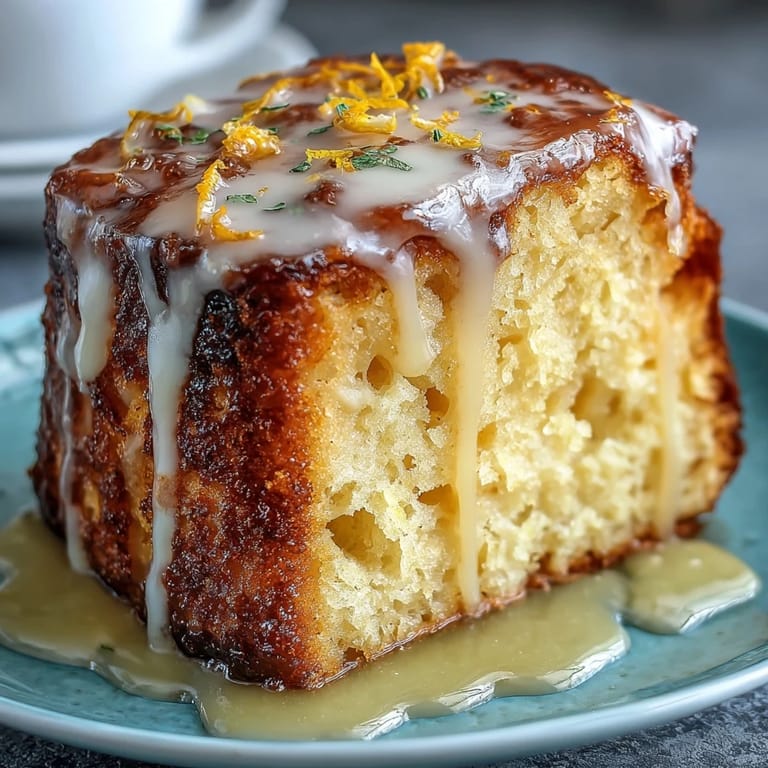
- This step changes everything. Using a skewer, poke holes all over the top of the hot cake—don't be shy, aim for dozens of tiny punctures. Pour the drizzle slowly over the top, watching it vanish into the cake like it's being absorbed by a sponge, creating those pockets of citrus that make people close their eyes when they taste it.
- Cool completely before decorating:
- Let the cake sit in the tin until it reaches room temperature, then turn it out onto a serving platter. This is when you dust with extra icing sugar if you like, and arrange those edible flowers on top just before serving so they stay fresh and vibrant.
 Save
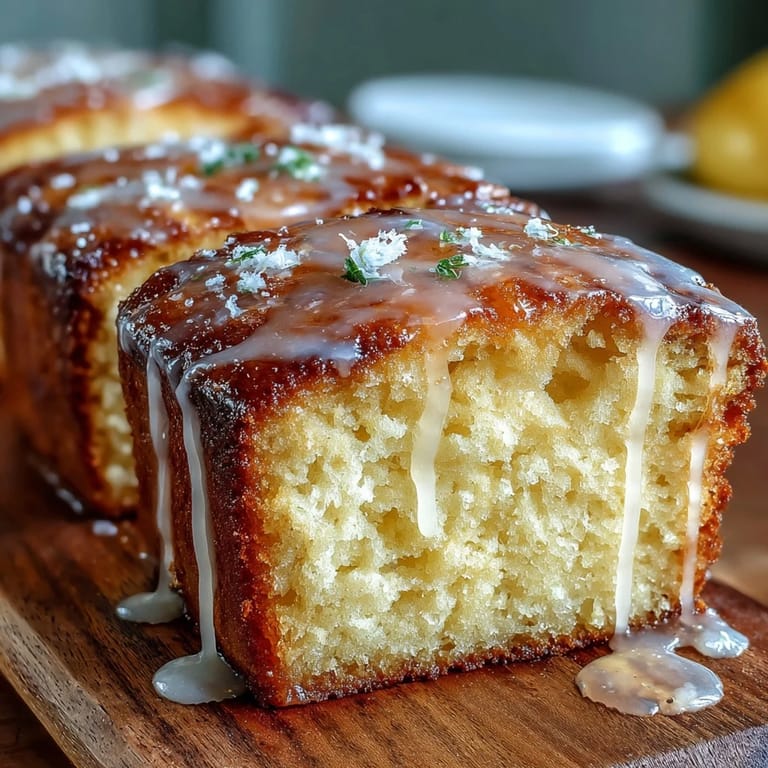
Save There's a moment after you pull a cake from the oven when the whole kitchen holds its breath—the silence before you poke those holes and the drizzle transforms it into something extraordinary. My sister felt it too. Years later, she still makes this cake every Mother's Day, and mum always says it tastes like the love in the kitchen that afternoon.
Why This Cake Works Every Single Time
The magic here isn't in some secret ingredient—it's in the method. The creaming technique introduces air into the butter and sugar, which helps the cake rise gently and stay moist. The self-raising flour does the heavy lifting for leavening, so you don't have to think about ratios or baking soda drama. And that lemon zest, whisked directly into the batter, distributes flavor throughout instead of just sitting on top as an afterthought. It's a cake that respects your effort but doesn't demand expertise.
The Drizzle Is Everything
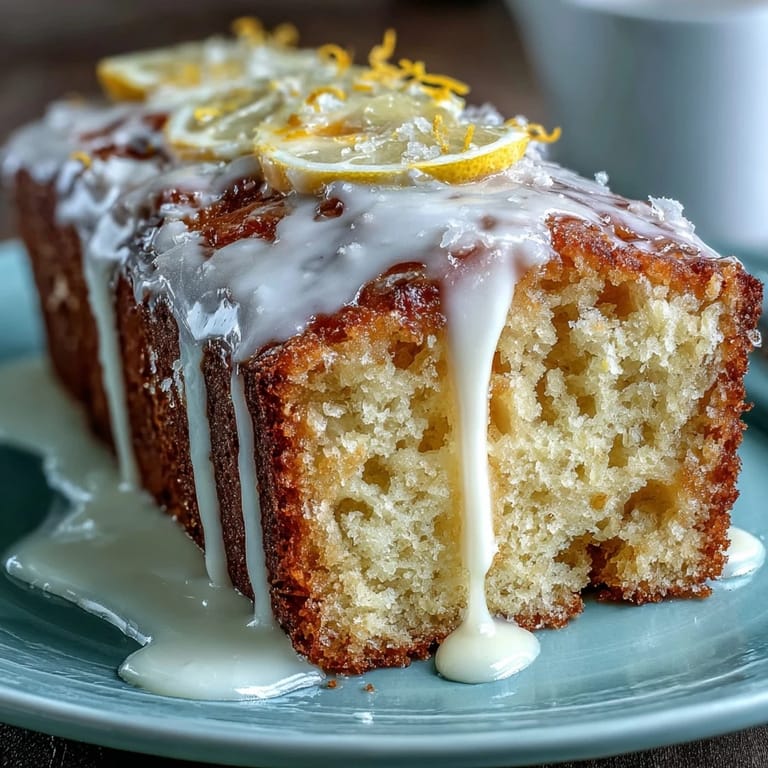
Don't let the simplicity fool you—this lemon glaze is the soul of the whole dessert. The icing sugar dissolves into the lemon juice to create something that's neither too runny nor too thick, and when it hits that warm cake, the contrast of temperatures and textures is what makes people ask for the recipe. Some bakers get fancy and add extra zest to the drizzle, which deepens that citrus punch if you're feeling bold. The key is balance: enough sweetness to cut the tartness, enough tartness to make the sweetness interesting.
Edible Flowers and Final Flourishes
The flowers aren't just decoration—they signal that this is a cake made with intention, for someone special. Violas are delicate and slightly peppery, pansies bring color and a subtle sweetness, nasturtiums taste faintly peppery with a hint of nuttiness, and rose petals add romance without overwhelming flavor. Buy them from a trusted source that sells specifically for consumption, because the ones at a regular garden center are sprayed with pesticides meant to keep insects away from people's hands, not mouths. If you can't find edible flowers, a light dusting of icing sugar and perhaps a sprinkle of candied lemon peel works beautifully too.
- Always check that your flowers are labeled as edible and pesticide-free before bringing them near the cake.
- Arrange flowers just before serving so they stay perky and don't wilt into the crumb.
- If you're making this for someone with allergies, skip the flowers and let the cake's sunny lemon flavor speak for itself.
 Save
Save This cake tastes like celebration, even on an ordinary Tuesday—but it's truly magic on the days when you're honoring someone who matters. Serve it with whipped cream, crème fraîche, or just on its own, and watch how a simple thing made with care becomes a memory.
Recipe FAQ
- → How do I ensure the lemon drizzle soaks in properly?
Poke holes evenly across the cake surface while still warm, then slowly pour the lemon drizzle over to allow deep absorption and moist texture.
- → Can I substitute the edible flowers with something else?
Yes, fresh herbs or citrus zest can be used for decoration if edible flowers are not available or preferred.
- → What is the best way to store the cake?
Store in an airtight container at room temperature for up to 2 days, or refrigerate for longer freshness. Allow to come to room temp before serving.
- → Is it possible to make this cake gluten-free?
Yes, substitute self-raising flour with a gluten-free alternative and add 1 tsp baking powder to maintain texture.
- → How can I enhance the lemon flavor even more?
Add extra lemon zest to the drizzle or folding a bit of lemon juice into the batter for an intensified citrus punch.