 Save
Save When I first imagined making a cake that shimmers as much as it tastes like summer, I didn't expect the kitchen to look like a pastel wonderland. The gentle splash of rosé filling the air, a hint of floral sweetness lingering, and the thrill of swirling rosy-pink batter—these details made the process feel festive from the start. Seeing the sunlight glinting off the luster-dusted gold drip was nearly as magical as tasting that first slice. There’s something genuinely joyful about transforming a handful of ordinary ingredients into a centerpiece worthy of a memorable occasion. The real delight: sneaking an extra swipe of buttercream while assembling layers, no apron required.
I once baked this rosé velvet cake for a close friend's bridal shower, and the kitchen quickly filled with laughter—plus an accidental cloud of powdered sugar. I’ll never forget the bride-to-be’s eyes lighting up as she cut through layers softened with wine and crowned in edible gold. There may have been a slight overenthusiasm with the gold drip, but honestly, no one noticed, too busy snapping photos. Building every layer felt like signing a love note to the new couple. By the end, the counter was dusted with luster but our plates were clean—always a good sign.
Ingredients
- All-purpose flour: This is the sturdy foundation for plush, velvety cake layers; I learned to sift it for an extra-light crumb.
- Granulated sugar: Adds not just sweetness but helps form a perfectly tender crumb; I once forgot it, and the cake was never the same.
- Baking soda: This little powerhouse gives lift—double-check it’s not expired for maximum rise.
- Fine salt: Just a pinch amplifies sweetness, balancing the flavors, and I always use fine salt to avoid accidental salty pockets.
- Cocoa powder (unsweetened): A bare hint adds depth to the rosy hue; a tip is to sift out any lumps with the flour for a seamless batter.
- Vegetable oil: Locks in moisture so every layer stays soft even for next-day slices; I measure in a glass cup for easy pouring.
- Large eggs: Bring them to room temperature so everything binds smoothly—cold eggs can cause the mixture to seize.
- Buttermilk: Gives the cake a magical tang and soft bite; gently stir if it separates in the carton.
- Rosé wine: Choose a dry or sparkling—its floral notes gently perfume the cake without overpowering.
- Vanilla extract: Adds a cozy backbone, tying together the wine and chocolate notes beautifully.
- White vinegar: Works with baking soda for that classic velvet texture—don’t worry, you won’t taste it at all.
- Pink or rose gel food coloring: A little goes a long way; add a dot at a time for a dreamy pink shade.
- Unsalted butter: The key to fluffy buttercream—make sure it’s fully softened to whip up light and luscious.
- Powdered sugar: Sift well for silky icing; if you rush this, expect stubborn clumps.
- Rosé wine (for frosting): Just enough for flavor and satin-smooth texture—start with less and add up.
- Vanilla extract (for frosting): Pulls together the floral palette of frosting.
- Pinch of salt (for frosting): Just the tiniest bit keeps the sweetness from overwhelming.
- White chocolate chips: Melted with cream, they form the dramatic drip—use good quality for flawless melting.
- Heavy cream: Combines with chocolate for a luxuriously smooth drip; don’t overheat or it’ll split.
- Edible gold luster dust: Transforms the cake into a showstopper—always verify it’s food-safe.
- Vodka or clear lemon extract: Mixing with luster makes a fast-drying paint and leaves no taste—just a quick flick of the wrist does the trick.
Tired of Takeout? 🥡
Get 10 meals you can make faster than delivery arrives. Seriously.
One email. No spam. Unsubscribe anytime.
Instructions
- Prep Your Oven and Pans:
- Set the oven to 350°F (175°C), grease three 8-inch (20 cm) cake pans, and line them with parchment; the sizzle of butter on metal and rustle of parchment always signal good things ahead.
- Mix the Dry Ingredients:
- Sift flour, sugar, baking soda, salt, and cocoa powder together in a large bowl; the cloud of cocoa always makes me smile—be sure to break up any stubborn lumps.
- Blend the Wet Ingredients:
- Whisk oil, eggs, buttermilk, rosé, vanilla, and vinegar until smooth; the rose aroma is your first hint this recipe is meant for celebrations.
- Combine and Color:
- Pour wet into dry, gently stir until nearly smooth, then tint the batter gradually with pink gel food coloring—the precise shade is your personal signature.
- Bake the Layers:
- Split the batter evenly among pans, bake for 30-35 minutes until a tester comes out clean; the even rise and faint floral scent mean you nailed it.
- Cool Completely:
- Cool cakes in their pans 10 minutes, then tip onto a wire rack to finish; patience here prevents cracks—resist the urge to rush.
- Make the Buttercream:
- Beat butter until airy, then add powdered sugar in batches, mixing each well; drizzle in rosé, vanilla, salt, and whip until soft and fluffy, pausing to sneak a taste.
- Assemble the Cake:
- Trim any domed tops for even layers, spread with buttercream, stacking as you go, and swipe on a thin crumb coat before chilling to set the structure.
- Frost with Final Layer:
- Finish frosting the chilled cake with a generous, even coat; the offset spatula smooths everything to satin perfection.
- Prepare Gold Drip:
- Melt white chocolate chips and heavy cream together, then cool; the mixture should flow gently—not run—down the sides when dripped.
- Apply and Paint Gold Drip:
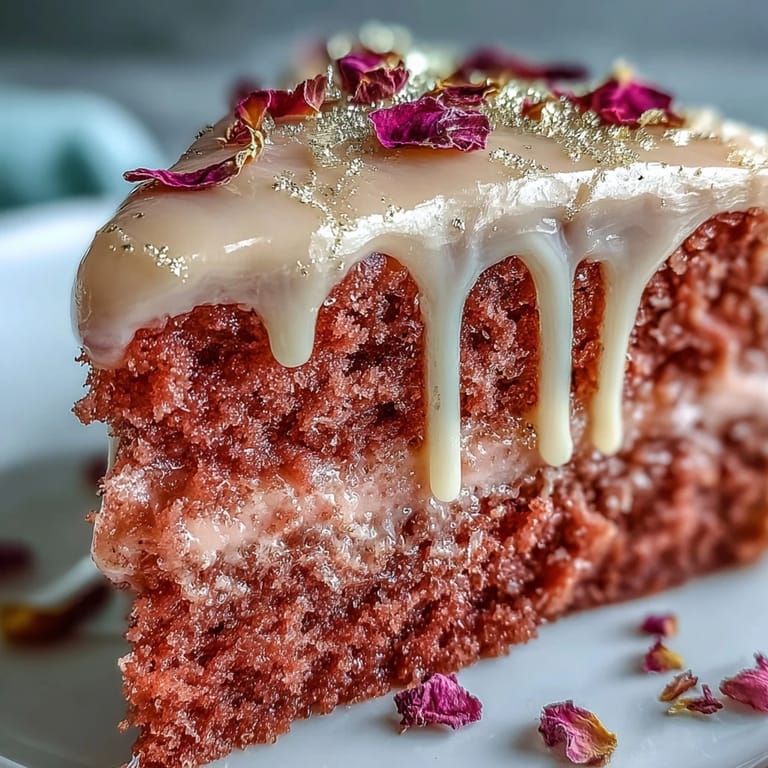
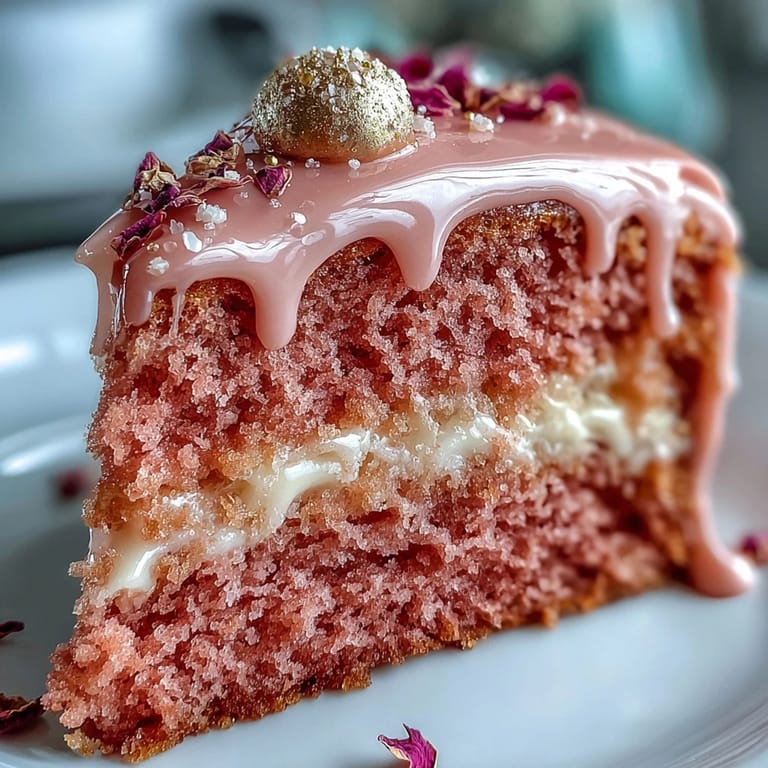
- Spoon the cooled drip over the chilled cake’s edges, let it set, then use a clean brush to paint the drips with edible gold luster mixed with vodka or lemon extract.
- Decorate and Serve:
- Top with edible gold, rose petals, or berries if you like; step back and admire before slicing into your masterpiece.
 Save
Save 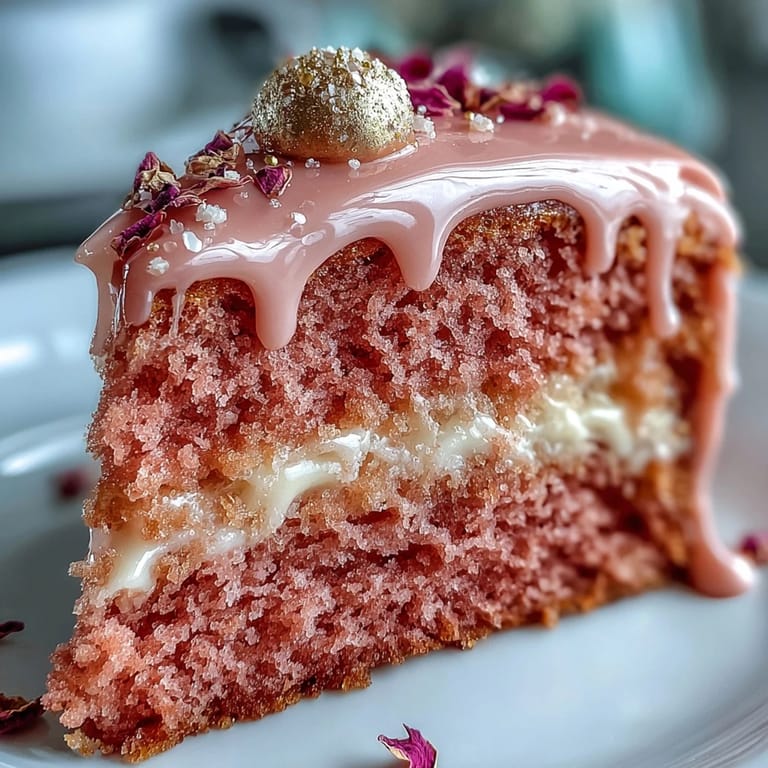 Save
Save When the first slice vanished in seconds, replaced by happy chatter and a little sparkle on everyone’s lips, the cake went from just a recipe to a highlight of the day. I caught the bride whispering for the buttercream recipe, which felt like the best kind of kitchen compliment.
Behind the Layers: Little Details That Matter
Folding the flour gently keeps the cake crumb plush instead of gummy—if you’ve rushed this step before, you know how bake time pays for it. Swapping from a rubber spatula to a classic wooden spoon midway gives a better feel for the batter’s texture, and that’s something I stumbled across by accident the third time I made this. Even using slightly chilled rosé in both the batter and buttercream brings out the brightest flavor notes. Trust your senses—if the batter smells faintly floral and creamy, you're right on track.
Messy Hands, Golden Results
Gold drip looks fussy, but it’s the sort of kitchen magic anyone can manage with a steady hand and a little patience. Mixing the edible luster thoroughly with vodka (or lemon extract) was a revelation that made the shimmer last long past the first slice. I’ve also learned the hard way that a tiny, food-safe brush is essential for a neat finish—my first attempt with a big pastry brush was, generously, abstract art. Making a cake this pretty is guaranteed to leave your apron sparkling, so wear something you don’t mind glittering for the day.
Turning a Cake into a Celebration: Personal Touches
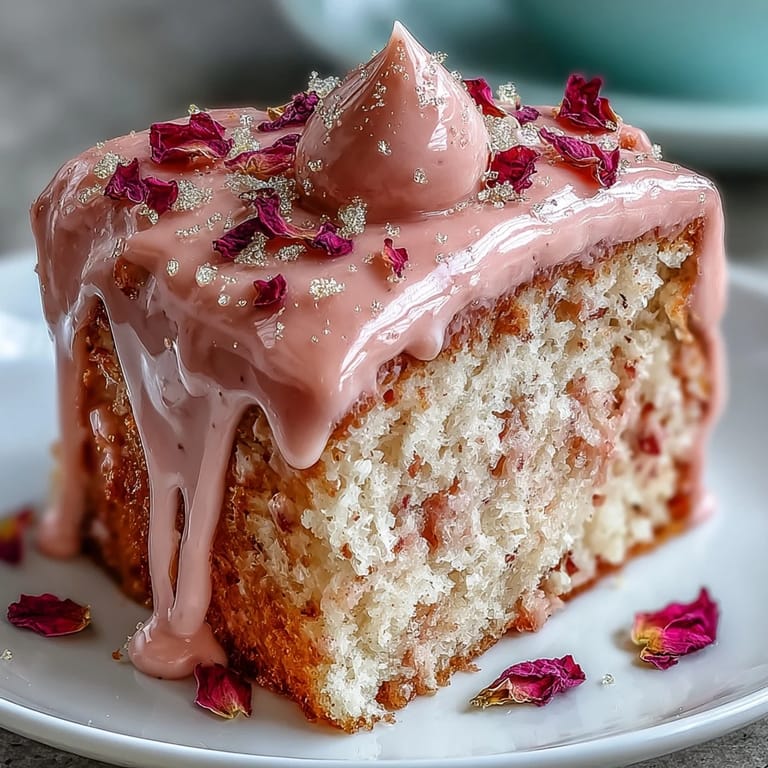
Sometimes I tuck a few edible rose petals or sugared berries on top, and it’s always the touch guests remember best. Vibrant berries or tiny gold sprinkles let you tailor the look to the season or personality of the happy couple, and a little asymmetry makes the finished cake feel modern and inviting. Don’t forget to set the cake on a sturdy board before decorating—it makes moving and slicing much simpler.
- Choose a dry rosé for subtler, elegant flavor.
- Assemble your tools before starting, because the decorating steps move quickly.
- This cake keeps beautifully for a day—just bring to room temperature before serving.
 Save
Save 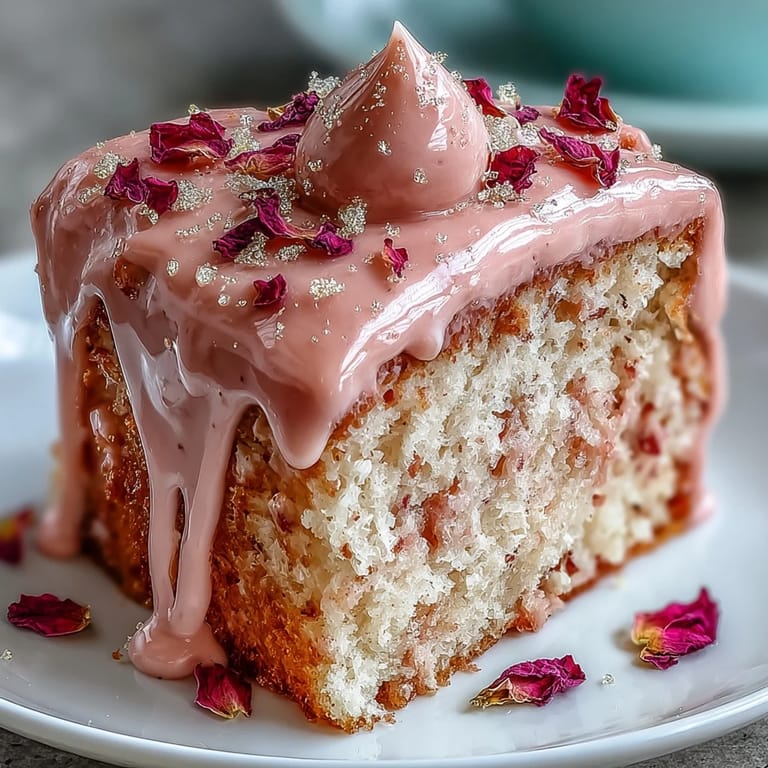 Save
Save If you make this for someone special, I hope you find as much joy in the glittery chaos as I do. There’s real magic in watching a shimmering cake bring everyone a little closer together.
Recipe FAQ
- → Can I use sparkling rosé instead of a dry rosé?
Yes. A dry or sparkling rosé adds a subtle floral and fruit note; reduce the quantity slightly with sparkling versions if you want less liquid. Adjust buttercream consistency with more sugar if it thins too much.
- → How do I prevent the buttercream from splitting when I add rosé?
Add the wine gradually and beat until fully incorporated. If the buttercream loosens, chill briefly and then rewhip, or add sifted powdered sugar a tablespoon at a time to regain structure.
- → What’s the best way to get clean gold drips?
Cool the white-chocolate drip until slightly thickened before pouring so it holds lobes. Use a chilled cake, apply sparingly at the edge, and paint with edible luster once set. Always use food-safe luster dust mixed with an approved liquid.
- → How far ahead can I make this cake?
You can bake layers a day ahead and wrap tightly; assemble and frost the next day. Store chilled and bring to room temperature before serving to restore texture and flavor.
- → Are there non-alcoholic substitutes for rosé?
Yes. Use a rosé-flavored syrup, concentrated grape juice, or a small amount of rosewater diluted with water to mimic floral notes while keeping alcohol out of the final product.
- → How do I keep layers level and stable during assembly?
Level each layer with a serrated knife or cake leveler, apply an even layer of buttercream, and use dowels or a central support for taller stacks. Chill between crumb coat and final frosting to set layers.