 Save
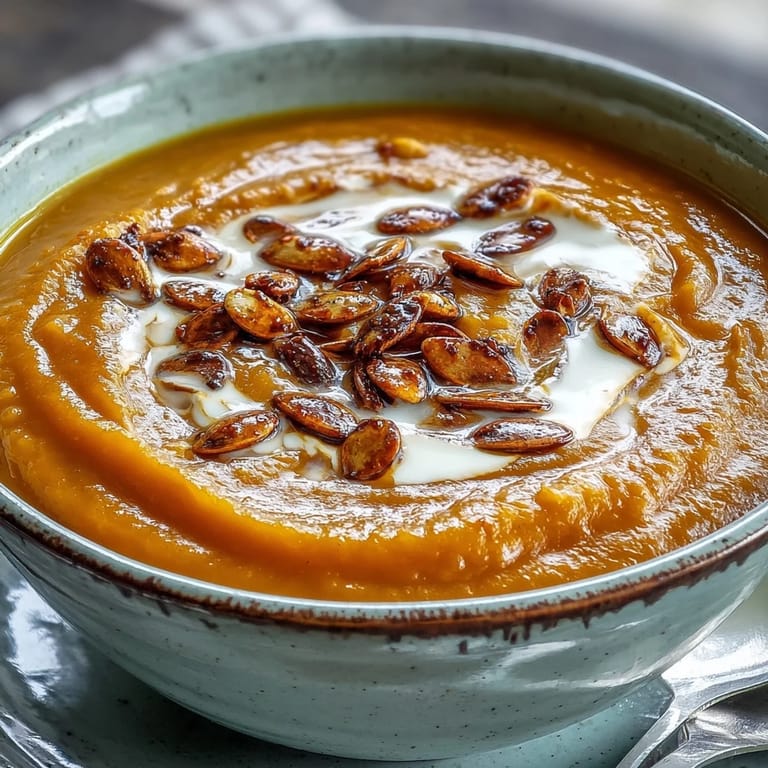
Save The first time I made butternut squash soup, I scorched the bottom of my favorite pot while roasting the vegetables. Now it's a cherished kitchen scar that reminds me of that blustery November afternoon when I discovered this golden elixir. I remember standing over the pot with my immersion blender, watching the transformation from chunky vegetables to silky perfection as steam fogged my glasses. That first spoonful—warm, velvety, and somehow both earthy and sweet—became my definition of autumn comfort.
Last Thanksgiving, when my brother announced he was bringing his new vegetarian girlfriend, I panicked briefly until remembering this soup. I served it in small hollowed pumpkins as appetizers, and she asked for the recipe before we even sat down for the main course. My brother later confessed it was the moment she decided our family might be alright after all.
Ingredients
- Butternut squash: Look for one with a matte rather than glossy skin, which indicates it's properly ripened and will deliver that deep, sweet flavor.
- Yellow onion: The workhorse of my soup kitchen, bringing a foundational sweetness that mellows beautifully when roasted alongside the squash.
- Garlic cloves: Roasting transforms their sharp bite into mellow, aromatic warmth that infuses the entire soup.
- Vegetable broth: I once made this with water in a pinch, but broth provides that umami foundation that makes people wonder what your secret ingredient might be.
- Ground nutmeg: Just a whisper connects the savory elements to the squash's natural sweetness without making it taste like dessert.
Tired of Takeout? 🥡
Get 10 meals you can make faster than delivery arrives. Seriously.
One email. No spam. Unsubscribe anytime.
Instructions
- Prep your vegetables:
- Peel and cube your squash with confidence, no need for perfect pieces as theyll all blend together eventually. I find cutting the squash in half first, then scooping seeds before peeling makes the whole process less unwieldy.
- Roast to golden glory:
- Spread everything on your baking sheet with enough space for the heat to circulate properly. Youll know theyre done when the edges of the squash pieces turn a rich caramel color and your kitchen smells like autumn incarnate.
- Simmer and blend:
- Let everything bubble together just long enough for the flavors to introduce themselves properly to one another. When blending, start slow then increase speed gradually to avoid a kitchen splatter painting.
- Season and serve:
- This is where you make it yours with final tweaks of salt, pepper, or a swirl of cream. I always taste one final time right before serving, as flavors tend to soften as the soup cools slightly.
 Save
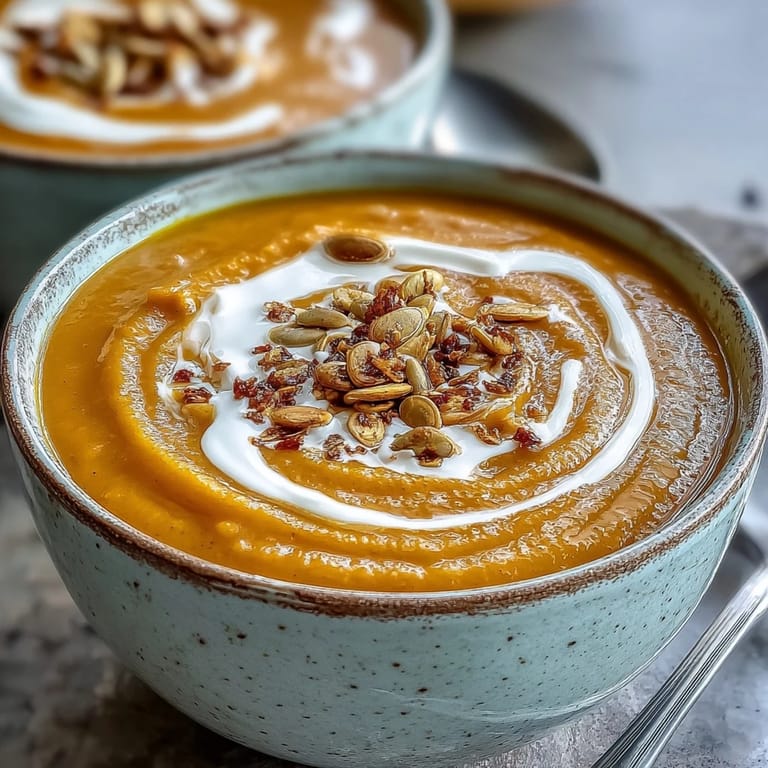
Save On a particularly difficult day last winter, when nothing seemed to be going right, I found myself mindlessly preparing this soup, the familiar rhythm of chopping and roasting gradually calming my scattered thoughts. By the time I sat down with a steaming bowl, wrapped in my oldest sweater, the day's frustrations had melted away. There's something about this golden bowl of comfort that transcends mere sustenance, becoming a warm hug from within.
Creative Garnish Ideas
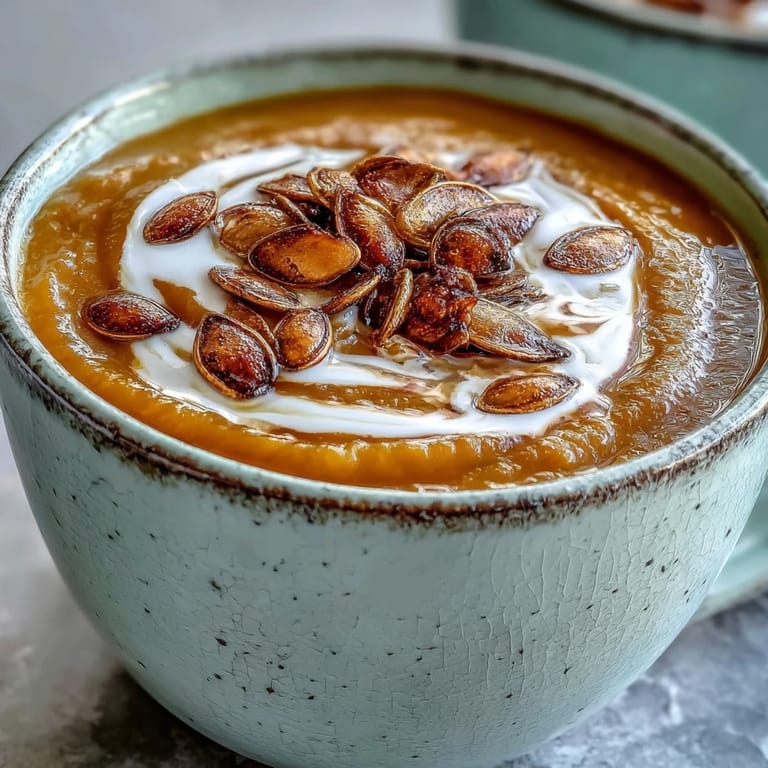
While the soup is divine on its own, I've discovered that contrasting textures elevate it to restaurant quality. A handful of toasted pumpkin seeds adds delightful crunch, while a swirl of cream creates beautiful patterns that make even weeknight dinners feel special. My personal favorite is a sprinkle of crispy fried sage leaves that I learned to make after watching a chef friend prepare them with theatrical flourish in her kitchen.
Storage and Make-Ahead Tips
This soup actually improves overnight as the flavors meld in the refrigerator, making it perfect for busy weeks. I often double the recipe and freeze portions in silicone muffin trays before transferring the frozen pucks to storage bags for individual servings. The soup maintains its quality remarkably well for up to three months, though in my house it rarely lasts beyond a few weeks before someone discovers it in the freezer and claims it for lunch.
Pairing Suggestions
Finding the perfect companion for this soup has become something of a happy obsession in my kitchen experiments. A grilled cheese sandwich with sharp cheddar and grainy mustard creates a comfort food duo that's gotten me through many winter evenings with a smile.
- For wine lovers, a lightly oaked Chardonnay echoes the buttery notes in the soup without overwhelming it.
- A simple green salad dressed with a sharp vinaigrette provides welcome brightness against the soup's rich creaminess.
- For unexpected delight, try a small piece of blue cheese crumbled on top just before serving to add a tangy counterpoint.
 Save
Save This butternut squash soup has taught me that sometimes the simplest ingredients, treated with care and attention, create the most profound flavors. May it bring the same warmth and satisfaction to your table as it has to mine.
Recipe FAQ
- → Can I make this soup ahead of time?
Absolutely. This soup actually tastes better the next day as flavors meld. Store in an airtight container in the refrigerator for up to 4 days, or freeze for up to 3 months. Reheat gently on the stove, adding a splash of broth if needed.
- → What can I use instead of butternut squash?
Other winter squash like acorn, delicata, or kabocha work beautifully. Sweet potatoes or pumpkin also make excellent substitutes. Keep in mind that different varieties may slightly alter sweetness and cooking time.
- → How do I get the smoothest texture?
Roasting the vegetables until fully tender is key. Blend thoroughly with an immersion blender for 2-3 minutes. For extra silkiness, pass the soup through a fine-mesh sieve after blending. The addition of cream also helps create a luxurious mouthfeel.
- → Is this soup suitable for meal prep?
Yes, it's excellent for meal prep. Portion into individual containers for easy lunches throughout the week. The flavors develop beautifully over time. Avoid adding garnishes until serving to keep toppings fresh and crisp.
- → Can I make this without a blender?
A potato masher will create a rustic, chunky texture, though it won't achieve the same silkiness. For smoother results without equipment, use a food mill or press the softened vegetables through a sieve. The traditional roasting method still delivers incredible flavor.