 Save
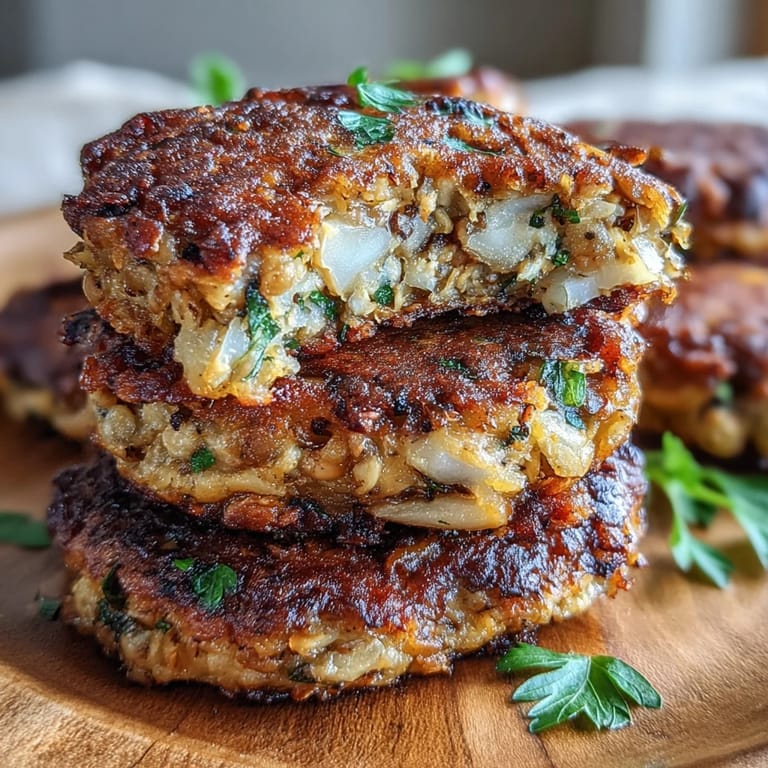
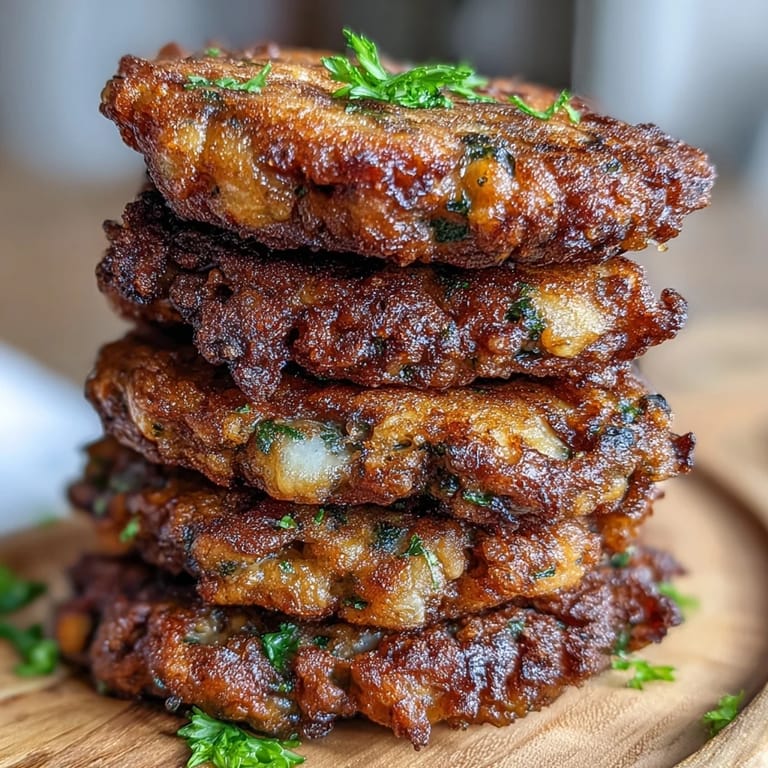
Save There's something magnetic about a plate of golden fritters that makes everyone gather around the kitchen without being asked. My neighbor showed up one evening with a container of these black-eyed pea fritters, still warm and crackling, and within minutes the whole porch smelled like toasted spices and fried goodness. She'd learned to make them from her grandmother's West African recipes, but adapted them for what she had on hand, and I watched her magic that night—how she'd mash and season with such confidence, then drown them in hot oil until they turned this impossibly perfect shade of amber. I've made them dozens of times since, and each batch reminds me why comfort food doesn't need to be complicated.
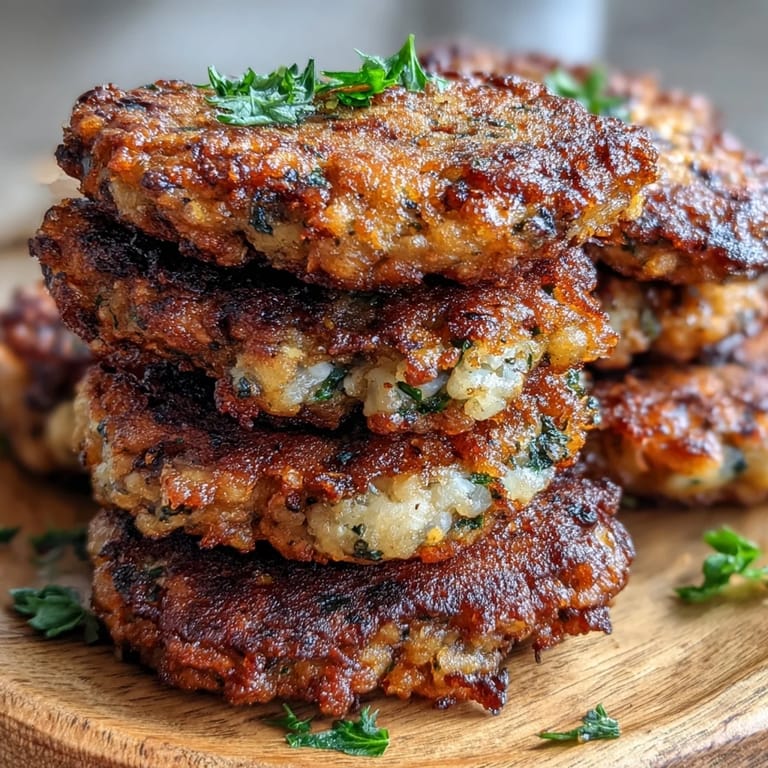
I brought a batch to my book club last month, nervous because I'd only made them twice before, but they vanished so fast I didn't even get to taste one while they were warm. The best part was watching people's faces when they bit through that shatteringly crispy outside and hit the savory, slightly creamy center—it's the kind of moment that makes you want to be in the kitchen more often. My friend Sarah asked for the recipe immediately and confessed she's never been confident frying anything, so I had to remind her that fritters are forgiving, and mistakes just mean you get to eat the slightly darker ones yourself.
Ingredients
- Black-eyed peas: Use canned and drained, or cook dried ones the day before—the starchy nature is what binds everything together and gives fritters their structure.
- Onion and garlic: Finely chopped aromatics that should be very small so they distribute evenly and cook through during frying without burning.
- Fresh parsley or cilantro: Optional, but the brightness cuts through the richness beautifully and adds a visual fleck.
- Eggs: Two large ones act as the binder, so don't skip them or substitute.
- All-purpose flour: Helps hold everything together—too much makes them dense, too little makes them fall apart in the oil.
- Salt, black pepper, and paprika: The smoked paprika adds depth, but cayenne is where the personality lives, so adjust to your heat preference.
- Vegetable oil: Any neutral oil works, but keep it at a steady medium heat so fritters fry through without burning on the outside.
Tired of Takeout? 🥡
Get 10 meals you can make faster than delivery arrives. Seriously.
One email. No spam. Unsubscribe anytime.
Instructions
- Mash your peas:
- Pour your drained black-eyed peas into a large bowl and go at them with a fork or potato masher until they're mostly broken down but still have some texture—you want them rough, not a smooth purée. This step takes maybe two minutes and gives you the foundation for everything that comes next.
- Mix the batter:
- Add your chopped onion, garlic, herbs, eggs, flour, and all seasonings to the mashed peas and stir until everything is combined into a thick, paste-like batter. It should hold its shape when you scoop it but not be so stiff that it won't drop from a spoon.
- Heat your oil:
- Pour about half an inch of vegetable oil into a large skillet and set it over medium heat for a few minutes until it's hot enough that a tiny pinch of batter immediately sizzles and browns. This usually takes about five minutes, and patience here prevents oil that's either too cool (greasy fritters) or too hot (burnt outside, raw inside).
- Scoop and flatten:
- Using a spoon or a small ice cream scoop, drop heaping tablespoon-sized portions of batter into the hot oil, then use the back of your spoon to gently flatten each one into a rough patty about half an inch thick. Don't crowd the pan—you want room for them to fry without bumping into each other, so work in batches of four or five.
- Fry until golden:
- Let each fritter cook for about two to three minutes on the first side until the bottom is deeply golden and crispy, then carefully flip and fry the other side for another two to three minutes. You'll know they're done when they're that perfect amber-brown color and feel firm when you press them gently with your spoon.
- Drain and serve:
- Transfer finished fritters to a paper towel-lined plate to shed excess oil, then arrange them on a platter while they're still warm. Serve with whatever dipping sauce speaks to you—yogurt, hot sauce, mango chutney, or even just a squeeze of lemon.
 Save
Save My most memorable batch happened when my mom was visiting and insisted on helping, even though she'd never fried anything in her life. She got so focused on the oil temperature that she barely blinked for twenty minutes straight, and when the first batch came out golden and perfect, she actually cheered—genuine joy over fritters. That's when I realized these aren't just snacks; they're a bridge between people and kitchens, between comfort and confidence.
The Science of Texture
The magic in these fritters happens at the interface between the batter and hot oil—that immediate contact creates a crust through the Maillard reaction, which is just a fancy way of saying the starches and proteins brown and crisp up. The egg and flour create a network that holds everything together while frying, and the mashed peas contribute just enough moisture to keep the inside tender. Understanding this means you'll never panic when your fritter looks slightly different from the last batch, because the chemistry is on your side as long as you respect the heat.
Storage and Reheating
These fritters keep beautifully in an airtight container in the refrigerator for up to four days, which makes them perfect for meal prep or unexpected guests. To reheat, pop them in a 350-degree oven for about five minutes until they crisp back up—the microwave will make them soggy, so avoid that temptation. I've also frozen them successfully for up to three months; just thaw them in the fridge overnight and reheat the same way.
Ways to Customize
The beauty of this recipe is how forgiving it is with additions and substitutions, so don't be afraid to make it your own. I've swapped in fresh scallions for regular onion, added a teaspoon of cumin for earthiness, and even stirred in crumbled feta cheese once when I was feeling adventurous. Consider these adaptations your kitchen's permission slip to experiment.
- Add a teaspoon of cumin or a pinch of smoked paprika for deeper, more complex flavor.
- Swap half the flour for chickpea flour to boost protein and create a slightly nuttier taste.
- Stir in crumbled cheese, diced jalapeños, or toasted sesame seeds for texture and personality.
 Save
Save These fritters have quietly become the thing people ask me to bring to gatherings, and I've stopped being surprised by how something so simple can feel special. There's real satisfaction in pulling warm, golden fritters from hot oil, and even more in watching people go back for seconds.
Recipe FAQ
- → Can I use canned black-eyed peas instead of cooked?
Yes, canned black-eyed peas work well. Rinse and drain them thoroughly before mashing. You may need to adjust the flour slightly depending on moisture content.
- → What temperature should the oil be for frying?
Heat the oil to 350-375°F (175-190°C). You can test by dropping a small amount of batter—if it sizzles immediately and rises to the surface, the oil is ready.
- → Can I bake these instead of frying?
While baking yields a different texture, you can bake at 400°F (200°C) for 15-20 minutes, flipping halfway. They won't be as crispy as the fried version.
- → How long do leftovers keep?
Store cooled fritters in an airtight container in the refrigerator for up to 3 days. Reheat in a 350°F oven for 5-10 minutes to restore crispiness.
- → What dipping sauces pair best?
These fritters pair wonderfully with yogurt dip seasoned with herbs, spicy hot sauce, or sweet mango chutney for contrast.