 Save
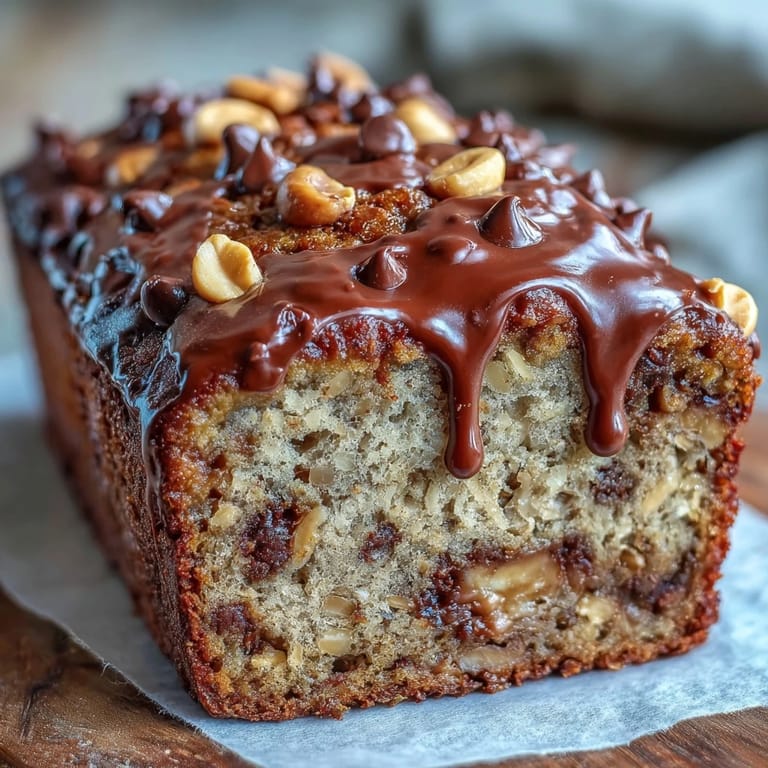
Save My kitchen smelled like a peanut butter factory had exploded the afternoon my neighbor stopped by unexpectedly with a bag of overripe bananas. She'd apologized for the abundance, but I saw opportunity—three perfectly spotted bananas begging to become something more interesting than the usual banana bread. That's when I remembered the jar of peanut butter sitting in my pantry and thought, why not? What emerged from the oven two hours later had my family hovering around the cooling loaf before I'd even set it down on the rack.
I baked this for my book club once, slicing it warm and watching three different conversations pause mid-sentence when people took their first bites. Someone asked if I'd bought it from a bakery—not to be kind, but genuinely confused that a homemade quick bread could taste this good. That compliment lived in my head for weeks, and now I make it whenever I need a small reminder that simple ingredients handled with care can actually impress people.
Ingredients
- All-purpose flour (1 ½ cups): The structure keeper—too little and your bread collapses, too much and it turns dense like a paperweight, so measuring by weight if you have a scale makes all the difference.
- Old-fashioned rolled oats (1 cup): These aren't just filler; they add a subtle nuttiness and keep the crumb tender even days later, though instant oats will work if that's what you've got.
- Baking soda and baking powder (1 tsp and ½ tsp): The dynamic duo that lifts the bread—baking soda reacts with the acidic bananas while baking powder gives it a second rise in the oven.
- Cinnamon (1 tsp): A quiet background singer that makes people ask what that spice is without ever naming it themselves.
- Ripe bananas (3 medium, about 1 cup mashed): Dark-spotted ones are crucial—that's when the starches turn to sugar and moisture is at its peak, so don't use barely-yellow fruit expecting the same result.
- Creamy peanut butter (½ cup): The flavor anchor that justifies the bread's name; choose a brand that tastes like actual peanuts, not just sweetness.
- Brown sugar (½ cup packed): Its molasses content adds depth that white sugar never quite achieves, plus it naturally holds moisture in the bread.
- Neutral oil (¼ cup): Canola or sunflower keeps the crumb impossibly tender without the density that butter sometimes brings to quick breads.
- Eggs (2 large): These bind everything while adding richness—room temperature eggs mix more smoothly into the wet ingredients, though cold ones work if you're in a hurry.
- Vanilla extract (1 tsp): A touch of this makes every other flavor sing a little louder.
- Semisweet chocolate chips (¾ cup): The reward for eating a bread that's actually good for you; don't skip the extra few reserved for the top, which turn glossy and irresistible when they melt slightly during baking.
- Roasted peanuts (¼ cup chopped, optional): These add a pleasant crunch and look fancy scattered across the top, though the bread is complete without them.
Tired of Takeout? 🥡
Get 10 meals you can make faster than delivery arrives. Seriously.
One email. No spam. Unsubscribe anytime.
Instructions
- Set the stage:
- Preheat your oven to 350°F and line a 9x5-inch loaf pan with parchment paper so your bread slides out without sticking. Greasing the pan alone works, but that parchment feels like insurance against disappointment.
- Build the dry base:
- Whisk together flour, oats, baking soda, baking powder, salt, and cinnamon in a large bowl—this is where you distribute the leavening evenly so no patch of batter gets left behind when the bread rises. Take your time with this step even though it seems invisible.
- Unite the wet ingredients:
- In another bowl, whisk mashed bananas, peanut butter, brown sugar, oil, eggs, and vanilla until the mixture turns smooth and the peanut butter stops fighting to stay separate. The color should look a bit peachy and uniform when you're done.
- Marry wet to dry:
- Pour the wet mixture into the dry bowl and use a spatula to fold everything together—just until you don't see white streaks of flour anymore. Overmixing develops gluten and turns your tender bread into something tough, so stop the moment the ingredients look combined even if you feel like you should keep stirring.
- Fold in the good stuff:
- Add chocolate chips and peanuts, using the spatula to fold them in gently so they distribute evenly but stay intact. Sprinkle a few extra chips on top of the batter in the pan so they'll caramelize slightly during baking.
- Bake until done:
- Slide the pan into the oven for 50-55 minutes—the bread should be golden on top and a toothpick inserted in the center should come out with just a few moist crumbs, not wet batter or completely clean. If the top starts browning too fast, loosely cover it with foil for the last 15 minutes.
- Rest and release:
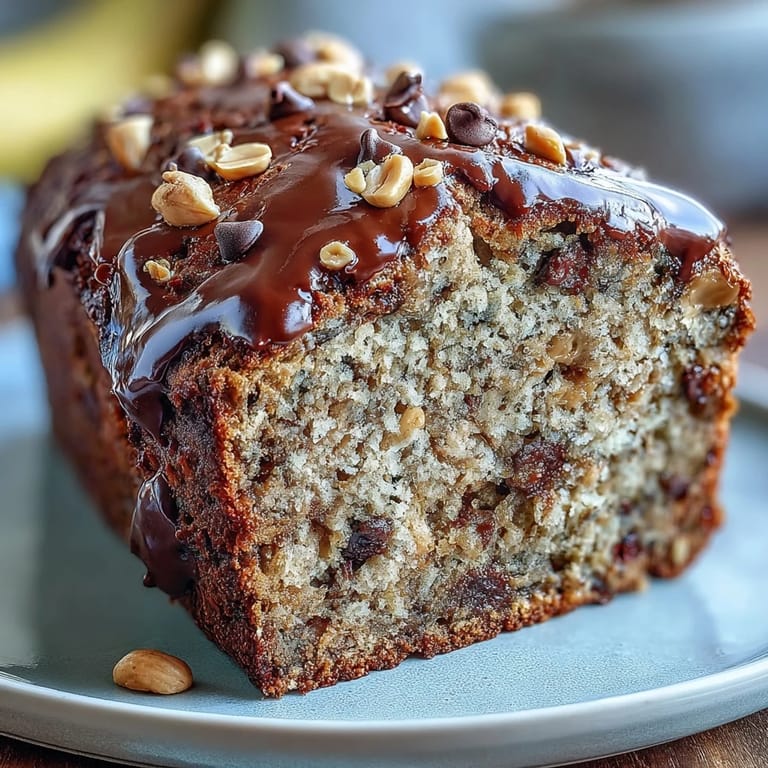
- Let the bread cool in the pan for 10 minutes so it sets enough to handle without falling apart, then turn it out onto a wire rack where air can circulate underneath and prevent the bottom from steaming and getting soggy. Wait until it's completely cool before slicing—I know it smells incredible, but warm bread crumbles.
 Save
Save My daughter once announced at dinner that this bread tasted like "breakfast had a chocolate party." She was eight and probably the most honest food critic I've ever known. That phrase stuck with me, and now whenever I'm deciding what to bake, I think about whether it would pass her chocolate party test.
The Peanut Butter and Banana Angle
This pairing isn't trendy or new—it's been beloved since childhood sandwiches and smoothie bowls, but it becomes something different in bread form. The peanut butter doesn't just add flavor; it creates a subtle richness that extends the bread's shelf life naturally, keeping slices moist even on day three. I learned this accidentally when I forgot to store one loaf and found it still tender enough to enjoy 72 hours later without any added moisture tricks.
Why Oats Deserve Your Attention Here
Using a full cup of old-fashioned oats in quick bread seems like a lot until you actually taste the difference. They add a gentle, almost grainy sweetness that flour alone can't deliver, plus they absorb moisture and keep the crumb from drying out prematurely. I've tried reducing them to half a cup to make room for more chocolate chips, and the bread turned noticeably less forgiving—drying out faster and tasting less complex. That taught me that every ingredient in this recipe is there for a reason, even when you don't immediately taste it by itself.
Storage, Freezing, and Other Practical Matters
A cooled loaf wrapped tightly in plastic wrap or foil stays soft at room temperature for three days, though I typically eat mine within two because the texture is superior when it's fresher. Freezing works beautifully—wrap the whole loaf or slice it first so you can thaw individual portions for quick breakfasts on rushed mornings. I've found that frozen slices toast back to almost-fresh quality in a regular toaster, making this bread a secretly convenient breakfast stash.
- Wrapping it tightly prevents the crust from hardening while the interior dries—air is bread's enemy once it's baked.
- If you notice the edges drying out faster than the center, slide the entire wrapped loaf into a sealed bag to trap the remaining moisture.
- Thaw frozen slices at room temperature for 30 minutes or pop them straight into the toaster for a warm, fresh-tasting breakfast.
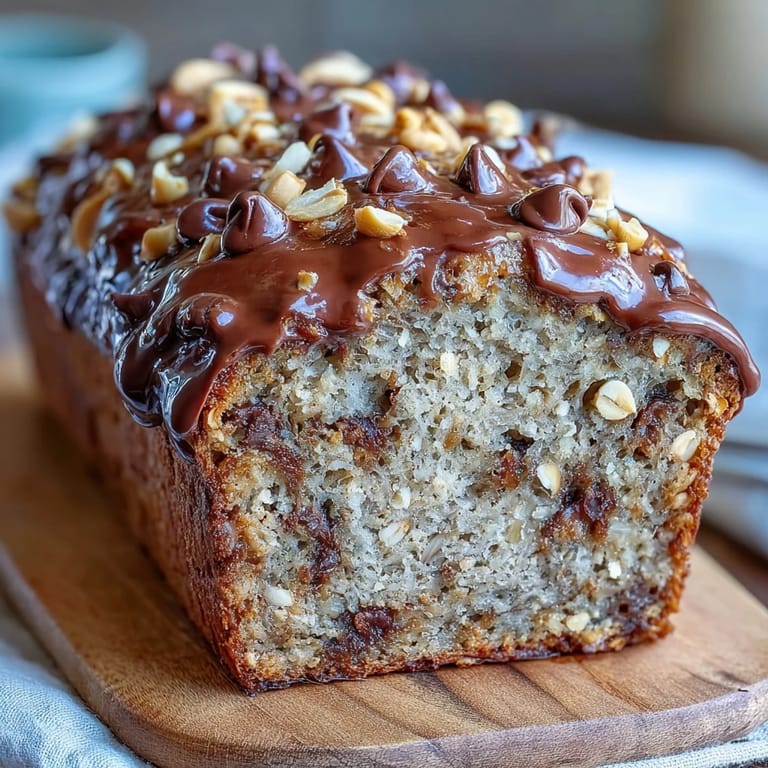 Save
Save This bread has a way of becoming the thing people ask you to bring to gatherings once they've tried a slice. It feels like a humble quick bread, but it somehow manages to impress without apology.
Recipe FAQ
- → Can I use natural peanut butter instead of creamy?
Natural peanut butter works well, though it may make the bread slightly denser. Stir it thoroughly before measuring to incorporate the separated oils.
- → Should I use quick oats or old-fashioned rolled oats?
Old-fashioned rolled oats provide better texture and heartiness. Quick oats can be used in a pinch, but the bread may have a softer, less substantial crumb.
- → How ripe should the bananas be?
Use bananas with plenty of brown spots—almost black is ideal. Very ripe bananas add maximum sweetness and moisture to the loaf.
- → Can I make this without eggs?
Substitute each egg with 1 tablespoon ground flaxseed mixed with 3 tablespoons water. Let sit for 5 minutes before adding to the batter.
- → Why did my bread sink in the middle?
Underbaking is the most common cause. Ensure the toothpick comes out with just a few moist crumbs, not wet batter. Also check that your oven temperature is accurate.
- → Can I reduce the sugar?
You can decrease brown sugar to ¼ cup since the bananas provide natural sweetness. The bread will be less sweet but still delicious.