 Save
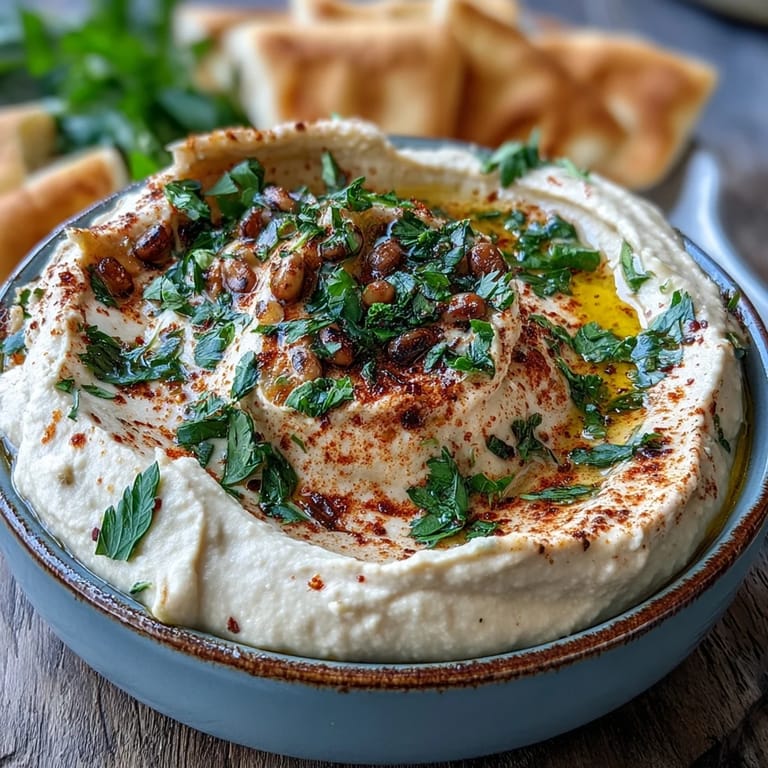
Save Black-eyed peas bring a unique, earthy flavor and a wonderfully silky texture to this Middle Eastern-inspired spread. Far from your average dip, this black-eyed pea hummus is a protein-rich powerhouse that combines nutty tahini, bright lemon, and aromatic garlic into a smooth, versatile dish. It is an excellent choice for those seeking a nutritious, vegan, and gluten-free addition to their snack rotation or party platter.
Save Using black-eyed peas instead of traditional chickpeas creates a distinct flavor profile that is both familiar and exciting. This recipe highlights how a few simple ingredients can be transformed into a sophisticated appetizer that feels gourmet yet remains incredibly easy to prepare in a food processor.
Ingredients
Tired of Takeout? 🥡
Get 10 meals you can make faster than delivery arrives. Seriously.
One email. No spam. Unsubscribe anytime.
- Legumes
- 2 cups cooked black-eyed peas (or 1 can, drained and rinsed)
- Tahini Mixture
- 1/3 cup tahini
- 2 tbsp extra virgin olive oil
- 2 tbsp fresh lemon juice (about 1 lemon)
- 1 clove garlic, minced
- 1/2 tsp ground cumin
- 1/2 tsp salt
- 2–4 tbsp water (as needed for consistency)
- Garnish (optional)
- 1 tbsp olive oil
- 1/2 tsp smoked paprika or sumac
- 2 tbsp chopped fresh parsley
Instructions
- Step 1
- In a food processor, combine the black-eyed peas, tahini, olive oil, lemon juice, garlic, cumin, and salt.
- Step 2
- Blend until smooth, scraping down the sides as needed to ensure all ingredients are fully incorporated.
- Step 3
- Add water, one tablespoon at a time, until the hummus reaches your desired creamy consistency.
- Step 4
- Taste the mixture and adjust the seasoning with more salt or lemon juice if needed.
- Step 5
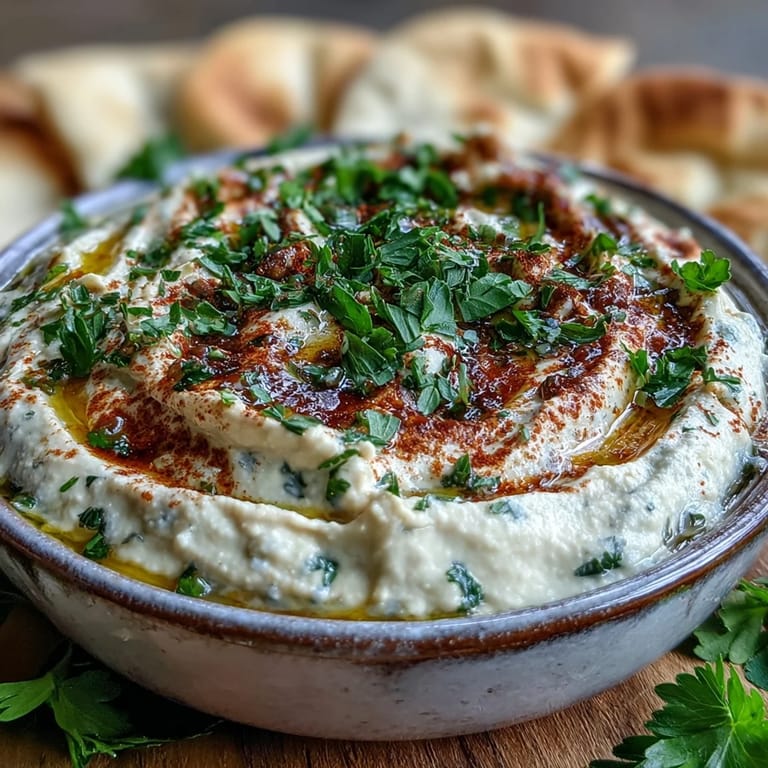
- Transfer the hummus to a serving bowl. Drizzle with olive oil and sprinkle with paprika or sumac and fresh parsley, if desired.
- Step 6
- Serve with fresh vegetables, pita bread, or use it as a healthy sandwich spread.
Zusatztipps für die Zubereitung
To ensure the best flavor and texture, store any leftover hummus in an airtight container in the refrigerator for up to 4 days. If the hummus thickens too much after chilling, you can stir in a small amount of water or olive oil before serving to restore its creaminess.
Varianten und Anpassungen
For a smoky variation, add 1/2 tsp of smoked paprika directly into the blend. You can also swap the lemon juice for lime juice to give the dip a zesty twist, or add a pinch of cayenne pepper if you prefer a bit of heat.
Serviervorschläge
This dip is traditionally served with fresh vegetable crudités like cucumber slices and carrot sticks or warm pita bread. For a completely gluten-free option, pair it with rice crackers or gluten-free pita. It also makes a fantastic, creamy base for vegetable wraps.
 Save
Save Whether you're serving this as a healthy weekday snack or as part of a larger appetizer spread, this black-eyed pea hummus is sure to be a crowd-pleaser. Its rich texture and balanced flavors prove that simple, wholesome ingredients can create truly exceptional dishes.
Recipe FAQ
- → Can I use canned black-eyed peas?
Yes, canned black-eyed peas work perfectly. Simply drain and rinse them before adding to the food processor. One can typically equals about 2 cups cooked peas.
- → How long does this keep in the refrigerator?
Store in an airtight container in the refrigerator for up to 4 days. The flavors actually develop and meld better after a day or two.
- → What can I serve with black-eyed pea hummus?
Pair with fresh vegetables like carrots, cucumbers, and bell peppers. Pita bread, crackers, or use as a spread on sandwiches and wraps for added protein and flavor.
- → Can I make this without tahini?
Tahini provides the signature creamy texture and nutty flavor. If needed, substitute with extra olive oil or a small amount of Greek yogurt, though the flavor profile will change.
- → Is this suitable for meal prep?
Absolutely. Make a batch on Sunday and portion into containers for quick snacks or lunches throughout the week. It's vegan, gluten-free, and packed with plant-based protein.
- → How can I adjust the consistency?
Add water one tablespoon at a time while blending until reaching your desired creaminess. For thicker spread, use less water. For thinner dip, add more water or lemon juice.