 Save
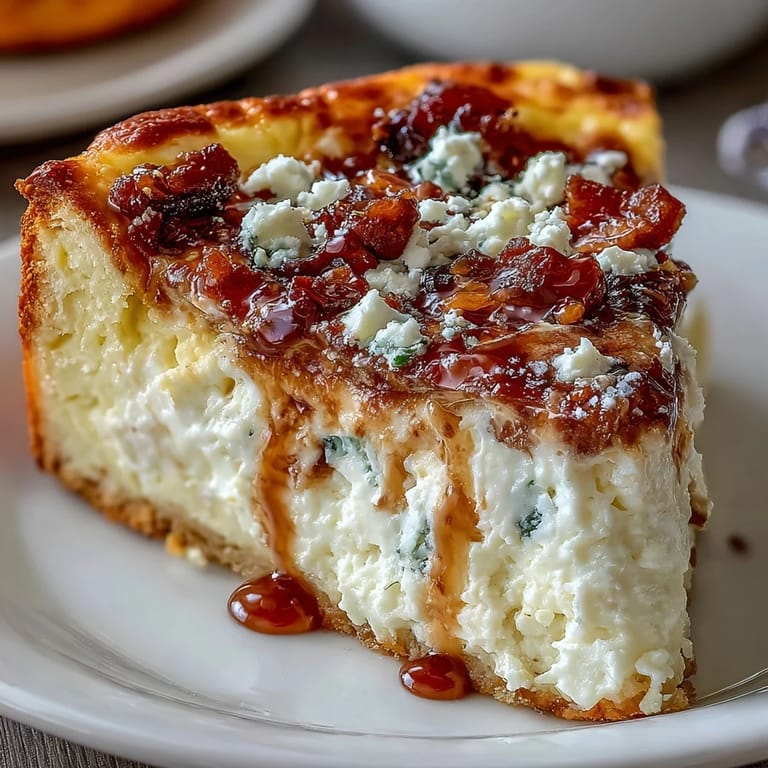
Save My grandmother's kitchen smelled like lemon and butter every Easter morning, the kind of scent that made you stand in the doorway for a moment before doing anything else. She'd be rolling out pastry with flour dusting her apron, humming something in Italian while the ricotta filling waited in a bowl nearby, pale and promising. Years later, I finally asked for her recipe, and what I found wasn't just instructions—it was the reason our family kept coming back to that table, year after year, for this one perfect pie.
I made this pie for my best friend's Easter dinner last spring, and I remember her face when she took that first bite—the way she closed her eyes like she was solving a puzzle. Later, someone asked for the recipe, and I realized I was standing in my grandmother's kitchen all over again, except now I was the one handing it down, understanding finally why she protected this dessert so carefully.
Ingredients
- All-purpose flour (2 cups): This builds your foundation, so don't skip sifting it if your flour has been sitting in a humid kitchen.
- Granulated sugar (1/2 cup for pastry, 3/4 cup for filling): The pastry sugar keeps the crust tender, while the filling sugar dissolves into that creamy texture you're after.
- Unsalted butter (1/2 cup, cold and cubed): Cold butter is non-negotiable here—it creates those tiny pockets that make the crust flaky, so don't soften it by accident.
- Eggs and egg yolk: These bind everything together and create that beautiful golden color when baked.
- Whole milk ricotta cheese (2 cups, well drained): Draining is the step people skip and then wonder why their filling is watery—do this step, trust me.
- Fresh lemon zest (from 2 lemons): This is where the magic happens, so use a microplane and get the bright yellow part only, not the bitter white pith underneath.
- Lemon juice (1 tablespoon): A small amount adds brightness without making the filling taste sour.
- Heavy cream (1/4 cup): Just enough to make the ricotta silky without overwhelming the delicate flavors.
- Salt and vanilla extract: These quiet ingredients are your secret weapons for depth and complexity.
Tired of Takeout? 🥡
Get 10 meals you can make faster than delivery arrives. Seriously.
One email. No spam. Unsubscribe anytime.
Instructions
- Make the pastry dough:
- Combine flour, sugar, and salt in a bowl, then work in those cold butter cubes with your fingertips until the mixture looks like coarse breadcrumbs—this takes about five minutes and your fingers will get a little cold, which is exactly right. Mix in the egg, egg yolk, and vanilla, then add cold water one tablespoon at a time until the dough just barely comes together without being sticky.
- Chill the dough:
- Shape it into a disk, wrap it in plastic, and let it rest in the refrigerator for at least thirty minutes—this relaxes the gluten and makes rolling easier, plus it gives you time to take a breath.
- Prepare your pan:
- Preheat your oven to 350°F and grease a 9-inch pie or tart pan thoroughly. On a lightly floured surface, roll out the dough until it's about an eighth of an inch thick and large enough to cover the pan with a little overhang.
- Line the pan:
- Gently press the dough into the bottom and sides of the pan, then trim any excess with a knife or your fingers. Prick the base with a fork a few times to prevent puffing, then chill for ten minutes while you make the filling.
- Mix the ricotta filling:
- Whisk together the well-drained ricotta, sugar, eggs, vanilla, lemon zest, lemon juice, flour, salt, and heavy cream until the mixture is completely smooth and pale—this should take about a minute with a whisk. If you see any lumps of ricotta, push them through a fine sieve before combining with the other ingredients.
- Fill and bake:
- Pour the filling into your pastry shell and smooth the top with a spatula, then slide the whole thing into the preheated oven. Bake for fifty-five to sixty minutes, until the filling is mostly set but still has a slight wobble in the very center—if it looks completely firm, you've baked it just a touch too long.
- Cool and chill:
- Let the pie cool completely on a wire rack, which takes about an hour, then refrigerate for at least two hours before slicing. This resting time is when the flavors settle and the texture becomes perfectly creamy.
 Save
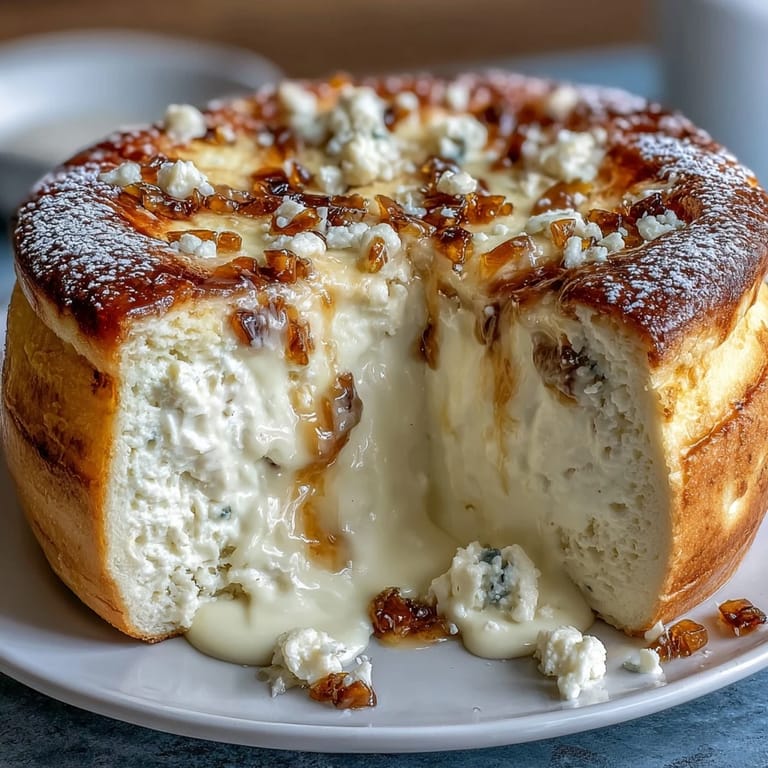
Save There's something sacred about a pie that's been chilling in the refrigerator, something that makes opening that oven door feel ceremonial. When you finally slice into it, that crust should be crisp enough to hold its shape while the ricotta filling trembles slightly on the plate, and you'll understand why this dessert has survived generations.
The Pastry Crust Secret
The difference between a tender pastry and a tough one comes down to two things: keeping your butter cold and not overworking the dough. I learned this the hard way one Easter when I was impatient and mixed everything by hand in a warm kitchen, and the crust came out dense and crumbly instead of flaky. Now I keep everything cold, use a food processor for the first step if my kitchen is warm, and I never—and I mean never—skip the chilling steps.
Why Lemon Is Everything
Lemon zest is what transforms this from a simple cheese pie into something memorable, but the key is freshness. If you've been buying pre-zested lemon from a jar, stop right now and get fresh lemons instead—microplane the zest directly over your bowl and you'll taste the difference immediately. The oils in the zest are what carry the bright, almost floral flavor that makes people ask for the recipe.
Serving Suggestions and Variations
Dust this pie with powdered sugar just before serving, and don't be shy with it—it catches the light and makes the whole thing look like something from a pastry shop. You can garnish with fresh berries if you're feeling festive, or even add a touch of orange zest along with the lemon for something slightly different.
- For extra richness, brush the baked pastry shell with a beaten egg white before filling to seal any small cracks and create a barrier.
- If you want a stronger citrus flavor, don't stop at lemon—add a little orange zest or even a whisper of grated nutmeg.
- This pie stays fresh in the refrigerator for three days, and it tastes just as good the next morning as it does on the first day.
 Save
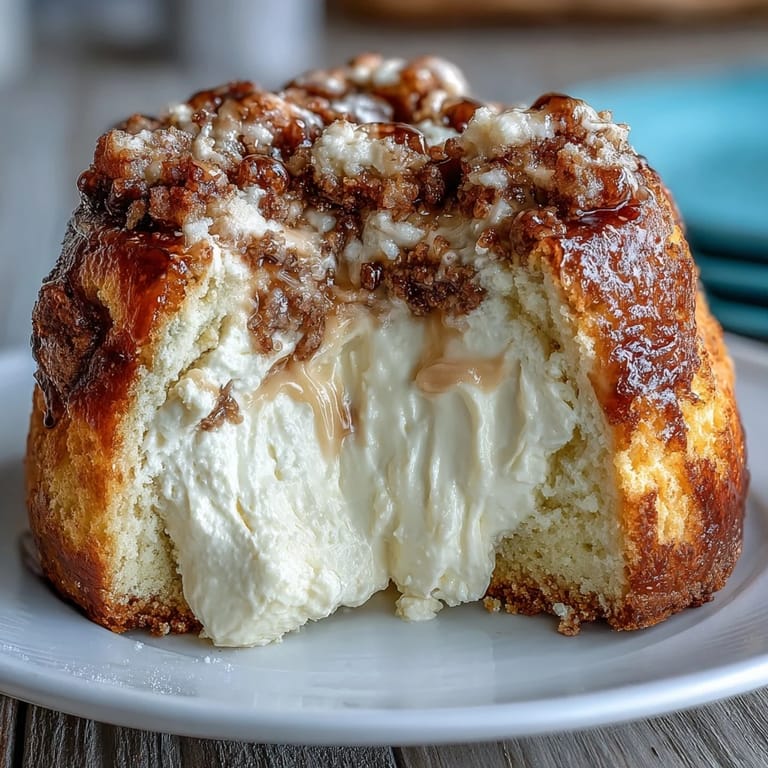
Save This pie is more than dessert; it's a moment of slowness in a busy season. Make it, share it, and watch it become the reason people ask what you're bringing to the table next year.
Recipe FAQ
- → What type of ricotta works best for this pie?
Use whole milk ricotta that is well drained to ensure a creamy, smooth filling without excess moisture.
- → Can I use gluten-free flour for the crust?
Yes, gluten-free flour can substitute all-purpose flour for the pastry, though texture may slightly differ.
- → How do I achieve a bright lemon flavor?
Use both fresh lemon zest and lemon juice in the filling and consider adding orange zest for an extra citrus note.
- → What is the best way to know when the pie is done baking?
The filling should be set around the edges but have a slight, gentle wobble in the center when gently shaken.
- → How long should the pie chill before serving?
Chill the pie for at least 2 hours to allow the filling to completely set and flavors to meld.