 Save
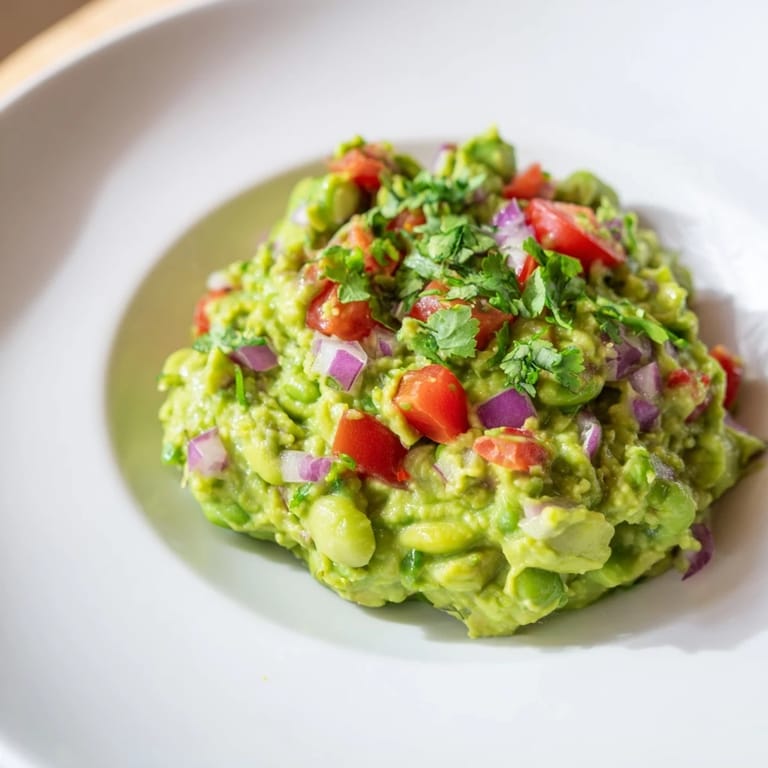
Save I discovered edamame guacamole by accident one afternoon when I had half an avocado and a bag of frozen edamame staring at me from the kitchen counter. Instead of just making regular guac, I wondered what would happen if I blended them together—would it get creamier, greener, more interesting? It did, and then some. The edamame added this subtle sweetness and unexpected protein boost that made the whole thing feel less like a guilty dip and more like something I could actually feel good about eating straight from the bowl.
The first time I made this for a small dinner party, I was nervous about how people would react to edamame in their guac. But by the time I set it down on the table with a stack of tortilla chips, someone was already dipping before I'd even finished explaining what was in it. That moment—when someone tastes something unexpected and their face just lights up—is when you know you've found something special.
Ingredients
- Edamame (1 cup shelled): The star here—whether fresh or frozen works beautifully, though I prefer frozen because they're already shelled and you skip the prep mess.
- Ripe avocado (1): Pick one that yields slightly to gentle pressure; if it's too hard the texture will be chunky, too soft and it gets mushy when blended.
- Jalapeño (1 small): Seeding it controls the heat, but leave the seeds in if you like more kick without warning anyone first.
- Tomato (1 small): A plum tomato works better than a big beefsteak because it has less water and won't make your dip watery.
- Red onion (1/4 cup finely chopped): The sharpness cuts through the creaminess and keeps each bite interesting.
- Fresh cilantro (2 tablespoons): Use the tender leaves and thin stems; the thick stems are tough and don't blend nicely.
- Lime juice (2 tablespoons, about 1 lime): Fresh juice matters here—bottled lime juice tastes flat and won't brighten the guac the same way.
- Sea salt (1/2 teaspoon): This brings everything into focus; taste as you go because you can always add more.
- Ground cumin (1/4 teaspoon, optional): A whisper of cumin adds warmth without announcing itself loudly.
- Freshly ground black pepper: Fresh cracked pepper is worth the extra step—the flavor is sharper and more alive than pre-ground.
Tired of Takeout? 🥡
Get 10 meals you can make faster than delivery arrives. Seriously.
One email. No spam. Unsubscribe anytime.
Instructions
- Cook and cool the edamame:
- Bring water to a rolling boil, drop in frozen edamame, and let them bubble away for exactly five minutes—any longer and they start to get grainy. Drain and run them under cold water until they've stopped steaming, then pat them dry with a kitchen towel so the food processor doesn't turn them into paste.
- Pulse edamame into a rough cream:
- Pour them into the food processor and pulse until they're mostly smooth with a few tiny flecks still visible. You're aiming for the texture of chunky peanut butter, not baby food.
- Blend in the creamy base:
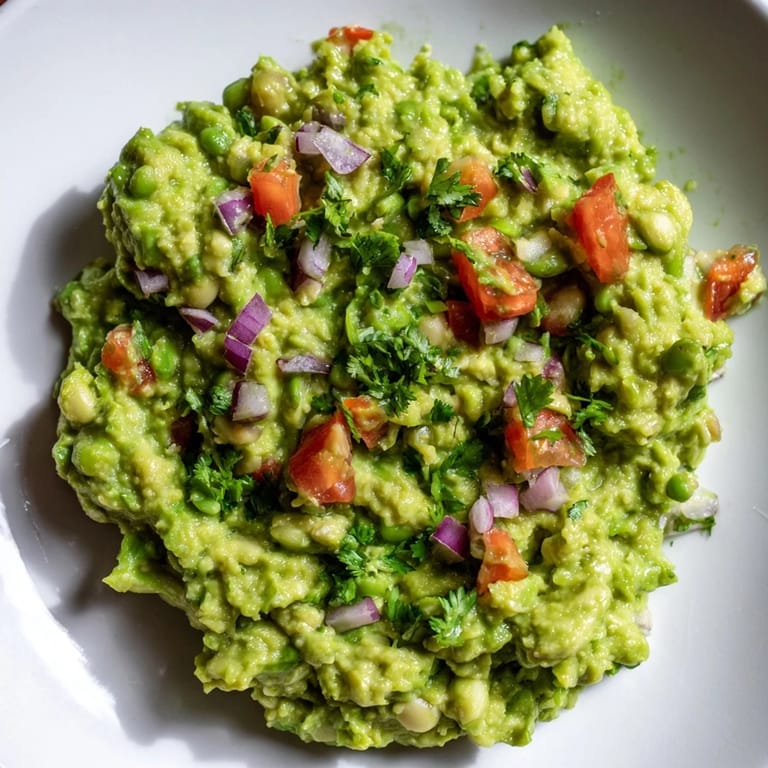
- Add the avocado, lime juice, salt, cumin, and pepper, then pulse gently until everything is creamy and combined but still has some personality—small chunks of avocado should be visible when you look at it. Stop before it becomes a uniform paste or you'll lose the charm.
- Fold in the fresh vegetables:
- Transfer everything to a bowl and use a rubber spatula to gently fold in the jalapeño, tomato, red onion, and cilantro. This keeps the mix from turning an unappealing shade of brownish-green.
- Taste and adjust:
- Pinch a small amount and taste it—this is where you find out if it needs more salt, another squeeze of lime, or a pinch more cumin. Trust your mouth over any recipe.
- Finish and serve:
- Transfer to a serving bowl, scatter fresh cilantro on top, and arrange lime wedges nearby so people can add brightness if they want it. Serve immediately while everything is still bright green and fresh.
 Save
Save There's something honest about serving food that's genuinely good for you without pretending it's medicine or guilt. This guac sits in that perfect middle ground where you're feeding people something nourishing and they're too busy enjoying it to think about whether it's healthy.
Why This Swap Works
Edamame and avocado are actually kindred spirits in the kitchen—both are creamy, both are protein-rich, and both have this mild flavor that plays well with lime and cilantro. Using edamame means you're stretching one avocado further and adding a protein boost that makes the dip feel more substantial without tasting heavy. The best part is that edamame brings a subtle sweetness that regular guac doesn't have, so each bite feels a little more interesting.
Variations to Keep It Fresh
Once you've made this a few times, you'll start seeing how endlessly it can shift depending on what you're in the mood for. I've swapped the red onion for scallions when I wanted something milder, added diced mango when I had fruit on hand and craved sweetness, and even stirred in a tablespoon of sriracha when the mood called for more heat. The base is forgiving enough that you can play around and still end up with something delicious.
Storage and Next-Day Life
The trickiest part about guacamole of any kind is keeping it from turning brown, and edamame guac is no different. Cover it directly with plastic wrap pressed onto the surface so no air touches it, and it'll keep in the fridge for up to two days without browning too much. If it does darken slightly on top, you can stir it back in, or just scrape it off and pretend you meant to do that.
- Press plastic wrap directly onto the surface of the guac to minimize air exposure and browning.
- If you need to store it longer, squeeze extra lime juice on top and keep it sealed tight.
- Make it the morning of serving if you can—that first-day brightness is hard to beat.
 Save
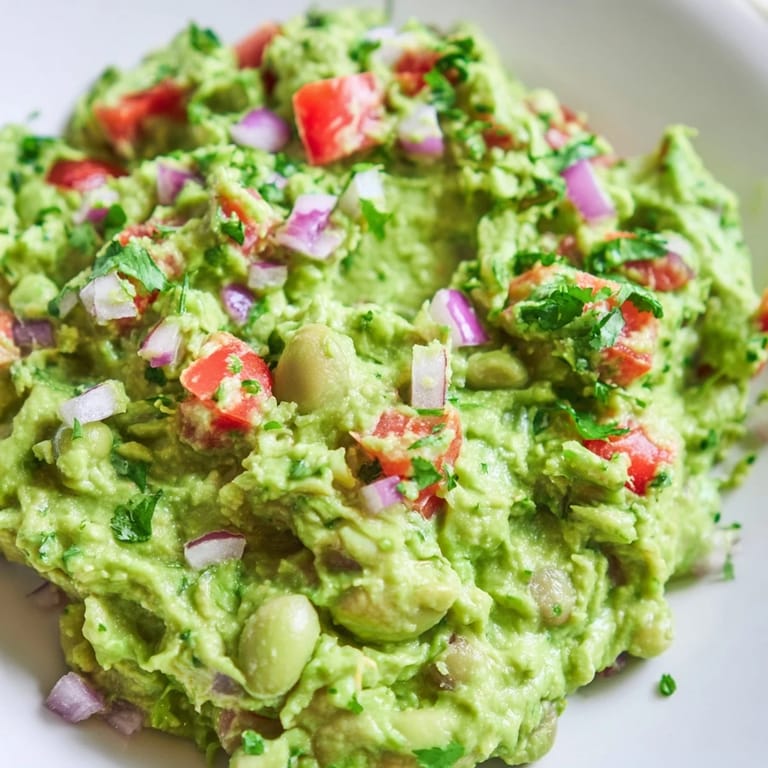
Save This is the kind of recipe that quietly becomes a go-to because it works, tastes good, and makes you feel smart about what you're eating. Make it once and you'll find yourself reaching for it whenever you need something that's both easy and impressive.
Recipe FAQ
- → Can I use frozen edamame for this dish?
Yes, frozen shelled edamame works perfectly. Simply boil for about 5 minutes until tender before blending.
- → What can I substitute for jalapeño if I prefer less heat?
Mild chili peppers or finely chopped bell peppers provide flavor without much heat, keeping the dish fresh.
- → How should I store leftovers?
Keep covered in the refrigerator for up to 2 days to maintain freshness and prevent discoloration.
- → Is it possible to adjust the texture?
Yes, pulse the blend less for chunkier texture or longer for a smoother consistency based on preference.
- → What are great serving suggestions?
Serve chilled as a dip with tortilla chips or crudités, or spread on sandwiches for a fresh, flavorful boost.