 Save
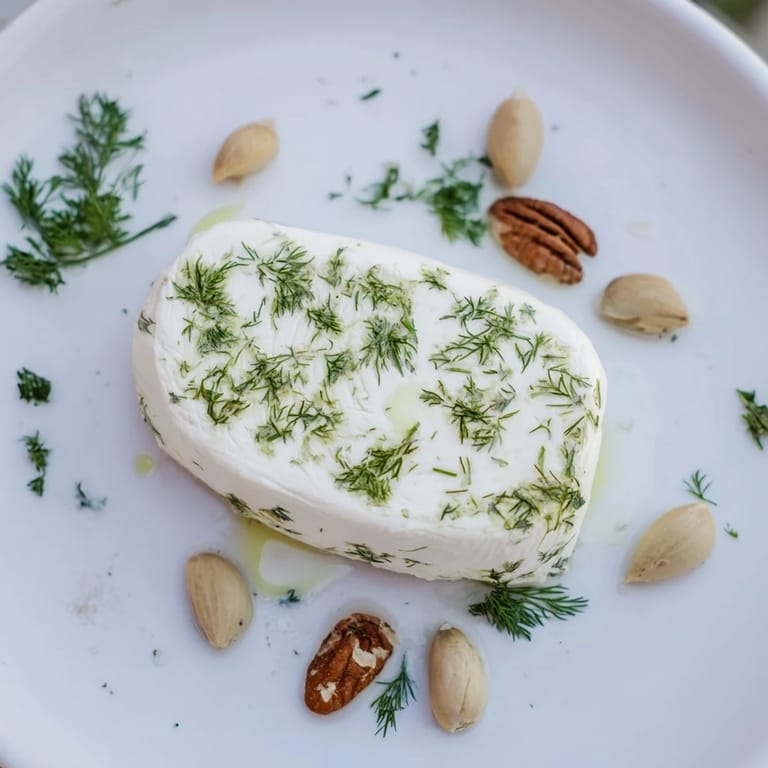
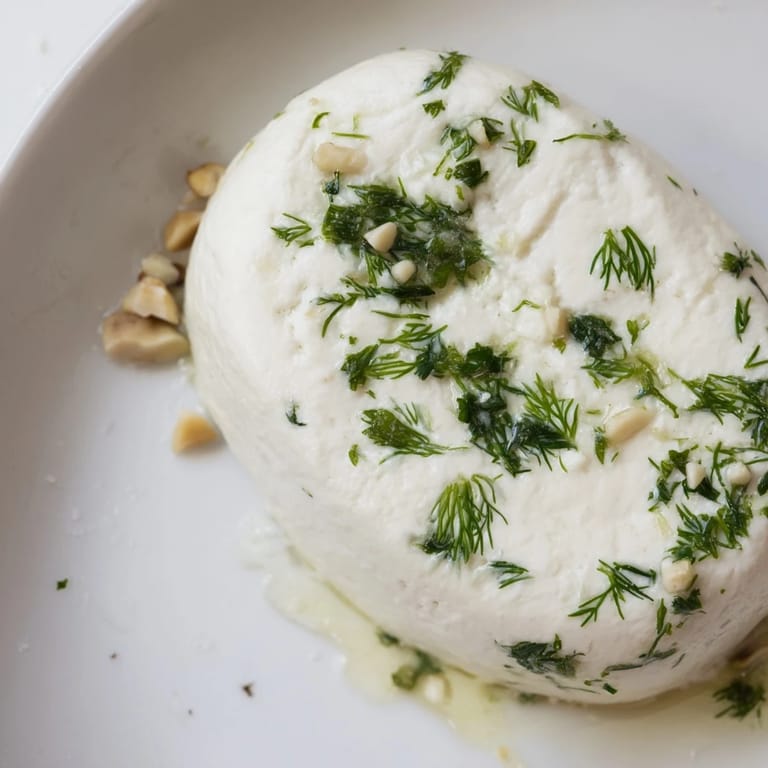
Save I discovered this dish while flipping through an old design magazine in a café, staring at a photographer's close-up of fossilized leaves pressed into stone. It struck me that food could capture that same sense of preserved history, frozen in time. That afternoon, I grabbed soft cheese and fresh herbs from my kitchen, wondering if I could recreate that ancient, delicate beauty on a plate. The moment the dill fronds lifted away and left their perfect skeleton imprinted in the goat cheese, I knew I'd stumbled onto something special, something that tasted as good as it looked.
I served this to friends on a Saturday evening when I was nervous about hosting for the first time in my new place. Everyone arrived, and before I could finish pouring wine, someone was already asking what the mysterious fossil-like platter was. Watching them crack open nuts and tear off pieces of herb-marked cheese, then actually enjoy it instead of just picking at it politely, felt like a small victory in the kitchen.
Ingredients
- Soft cheese (250 g): This is your canvas—goat cheese gives tanginess, cream cheese offers richness, ricotta brings delicate sweetness; choose based on what you're craving and what pairs with your herb choice.
- Fresh herbs (1 small bunch): Dill creates the most dramatic fossil patterns with its feathery fronds, but parsley leaves are bolder, cilantro unexpected, and chervil impossibly delicate.
- Olive oil (1 tbsp, optional): A light brush adds a polished, professional sheen that makes the herb impressions seem even more deliberate.
- Assorted nuts (100 g): In-shell nuts scattered around look more authentically archaeological, and cracking them yourself at the table becomes part of the experience.
- Sea salt (1/2 tsp, optional): A whisper of salt wakes up the cheese and nuts without overpowering the subtle herb flavors.
Tired of Takeout? 🥡
Get 10 meals you can make faster than delivery arrives. Seriously.
One email. No spam. Unsubscribe anytime.
Instructions
- Prepare your surface:
- Line a small tray or plate with parchment paper so the cheese releases cleanly and your presentation stays pristine when it's time to serve.
- Spread the cheese base:
- Press your soft cheese into a rough oval or round about 2 cm thick, using a small spatula to smooth the top into an inviting canvas. Don't worry about perfection; slight irregularities look more natural and ancient.
- Create the fossil imprints:
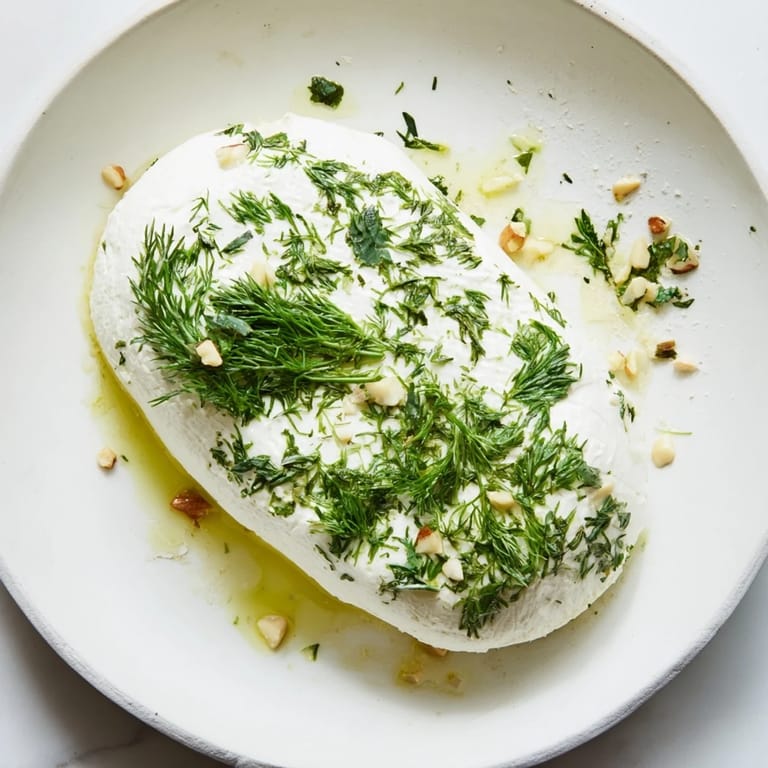
- This is where the magic happens—gently press whole herb sprigs or individual leaves firmly into the cheese surface, then carefully lift them away to reveal the delicate ghost of their shape. Work slowly enough to see each impression emerge.
- Add subtle shine:
- If using olive oil, brush it lightly across the cheese surface to make the herb marks stand out and give the whole thing a gallery-worthy gleam.
- Arrange the archaeological landscape:
- Scatter your cracked nuts around the cheese base, letting some shell fragments fall naturally nearby for that authentic excavation-site look that brings the whole concept together.
- Final touch:
- Sprinkle sea salt across everything if desired, then serve immediately or cover loosely and refrigerate until your guests arrive.
 Save
Save This dish became a tradition at my dinner parties not because it's complicated, but because it sparked actual conversations. People would examine it like a museum exhibit before eating, asking about the herbs, comparing nut shells, and suddenly everyone was talking about travel, archaeology, the last time they held something ancient. Food that makes people pause and notice has a quiet power.
Choosing Your Cheese
The cheese you select completely transforms the dish's personality. Goat cheese is my go-to because its slight tartness contrasts beautifully with sweet nuts and herbaceous impressions, and it holds shape remarkably well. Cream cheese offers a milder, richer canvas if you're feeding people who prefer gentler flavors, while ricotta brings an almost cloud-like delicacy that feels special. Each one photographs differently too—goat cheese glows with warmth, cream cheese photographs almost ethereally—so consider your lighting if presentation matters to you.
Herb Combinations That Work
Dill alone creates the most dramatic, fern-like fossil patterns and pairs brilliantly with walnuts and sea salt. A mixed bunch of parsley and dill gives you both bold shapes and delicate fronds for visual rhythm. Cilantro brings unexpected brightness if you're serving this before Latin or Asian-inspired meals, while chervil feels impossibly refined for very formal occasions. I learned through experimentation that herbs past their peak in the fridge still work beautifully—slightly wilted leaves sometimes press more cleanly into the cheese, actually—so don't throw out those nearly-forgotten bunches.
Serving and Pairing Ideas
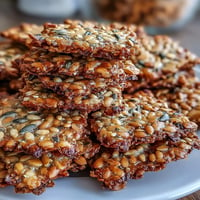
Serve this immediately when you want the cheese at its most structure-perfect, or refrigerate it for up to 6 hours if you're planning ahead, covering it loosely so the herbs don't transfer their moisture into the cheese and ruin your fossil imprints. It pairs beautifully with thin crackers, torn fresh bread, or crudités; I've even served it alongside honey for people who want to dip the creamy fossils into something sweet and floral. The real magic happens when you pair it with a crisp white wine like Sauvignon Blanc, where the wine's acidity cuts through the richness and makes each bite feel sharper, fresher, more intentional.
- Brush the cheese with truffle oil instead of olive oil for a luxe version that makes people lean in closer.
- Scatter edible flowers like pansies or nasturtiums among the nuts for unexpected color and delicate flavor notes.
- Serve with a small wooden board and let guests break their own nuts at the table—the activity makes the whole thing feel more interactive and alive.
 Save
Save This appetizer reminds me that the most memorable food doesn't require culinary school or complicated techniques; it just needs intention and a willingness to play. Serve it with confidence and watch your table transform into something more interesting than another evening of appetizers.
Recipe FAQ
- → What types of cheese work best for this dish?
Soft cheeses like goat cheese, cream cheese, or ricotta provide a smooth texture that holds herb imprints well.
- → How do I create the herb imprint effect?
Press fresh herb sprigs gently into the soft cheese surface, then carefully lift them to reveal delicate, fossil-like patterns.
- → Can I use other nuts besides walnuts or pecans?
Yes, almonds, hazelnuts, or a mix of rustic nuts in shells add great texture and visual appeal.
- → Is there a way to add shine to the cheese surface?
Lightly brushing the cheese with olive oil enhances its appearance with a subtle sheen.
- → What can I serve alongside this dish?
Crackers, fresh bread, honey, or fruit preserves complement the creamy cheese and nut combination beautifully.