 Save
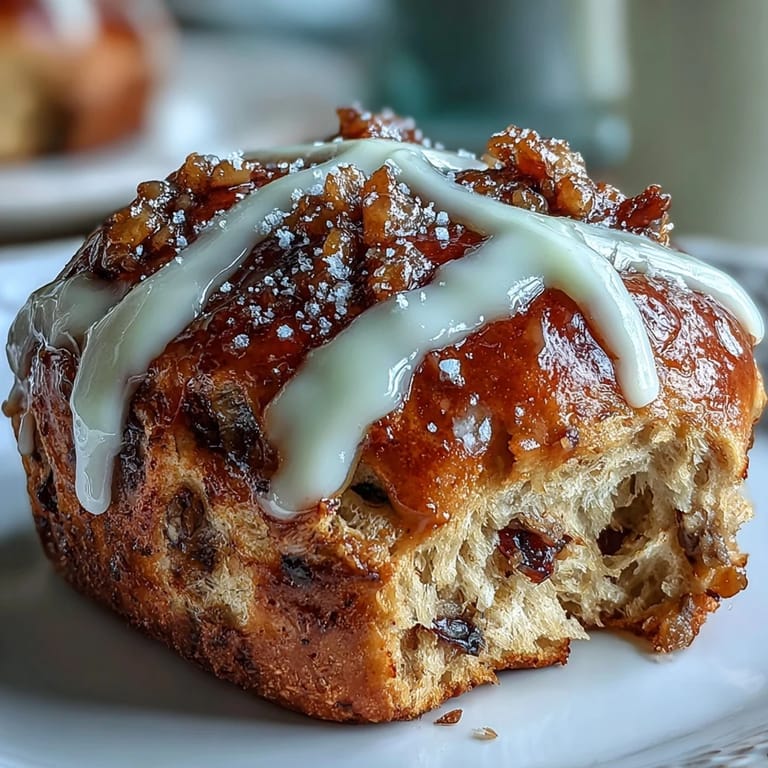
Save Warm, comforting smells always seem to anchor a day at home, and nothing quite fills the kitchen like the aroma of spiced hot cross buns rising in the oven. One rainy Saturday, while the radio crackled in the background and my socks kept slipping on the tiles, I decided to give these classic British buns a go. The gentle pop of yeast as it bloomed in the warm milk felt oddly satisfying, and I found myself humming along as I kneaded the soft dough. Flour dusted every surface—not to mention my clothes—but it only made the whole experience feel more hands on. These buns emerged from the oven so golden and inviting that I didn’t even wait for them to cool completely before sneaking a bite.
A few years ago, my neighbor poked her head in as I was piping crosses over the buns, and before I knew it, we were swapping stories about botched pastries and triumphant loaves over mugs of tea. There’s something about making hot cross buns from scratch that feels inviting—guests cannot resist lingering, hoping for just one more warm bun out of the tray.
Ingredients
- Bread flour: Gives the buns their structure and that wonderfully chewy, pillowy crumb—sift it for an ultra-soft texture.
- Granulated sugar: Sweetens the dough just enough; I often sprinkle a little on the counter to prevent sticking while shaping.
- Active dry yeast: The key to a lovely rise; I make sure the milk is only lukewarm, not hot, so I don’t kill the yeast.
- Salt: Essential for bringing out the other flavors—don’t skip it, or your buns will taste flat.
- Ground cinnamon, nutmeg, allspice: The trio that fills your kitchen with holiday warmth—fresh spice really does make a difference here.
- Whole milk: Helps create a tender, rich dough; using room temperature milk encourages a steady rise.
- Unsalted butter: Melted into the dough for extra softness—let it cool a bit before adding so your eggs don’t scramble.
- Eggs: Add richness and help bind the dough; cracking them into a bowl first prevents shell surprises.
- Raisins or currants: The traditional bursts of sweetness—sometimes I toss them with a little flour so they stay evenly distributed.
- Orange zest (optional): A little zest brightens the flavor and lifts the whole bun; worth the extra minute to grate.
- All-purpose flour & water (for the cross): Mixed to a thick paste, it pipes cleanly and holds its shape as the buns bake.
- Apricot jam or honey & water (for the glaze): Brushed on while hot, this glaze gives a beautiful shine and gentle sweetness.
Tired of Takeout? 🥡
Get 10 meals you can make faster than delivery arrives. Seriously.
One email. No spam. Unsubscribe anytime.
Instructions
- Mix the dry ingredients:
- Sift the bread flour, sugar, yeast, salt, cinnamon, nutmeg, and allspice into a large bowl—the mix will smell like cozy mornings already.
- Add the wet ingredients:
- Pour in the warm milk, melted butter, and eggs, stirring until a shaggy dough forms; don’t worry if it looks messy at first.
- Knead the dough:
- Knead with confident, rhythmic motions for about 8 to 10 minutes, feeling the dough transform from sticky to smooth and elastic.
- Incorporate fruit and zest:
- Gently work in the raisins and orange zest, folding and pressing so they’re spread throughout and don’t clump together.
- First rise:
- Pop the dough into a greased bowl, cover, and let it rise somewhere warm until it doubles in size—be patient, this is when flavor builds.
- Shape the buns:
- Punch the dough down, divide into 12 pieces, and roll each one into a tidy ball between your palms.
- Second rise:
- Arrange the buns, slightly apart, on a parchment lined tray, then drape with a towel while they puff up for another 45 minutes.
- Pipe the crosses:
- Mix flour and water to a thick paste, then pipe neat lines across each bun—imperfections give them rustic charm.
- Bake:
- Slide the tray into a preheated oven at 375°F (190°C) and bake for 20 to 25 minutes, watching for a golden brown top.
- Make the glaze:
- Gently warm the jam or honey with a splash of water until smooth, ready to brush on.
- Finish and serve:
- As soon as the buns come out, brush with glaze, letting it sink into every crevice; cool slightly before sneaking the first one.
 Save
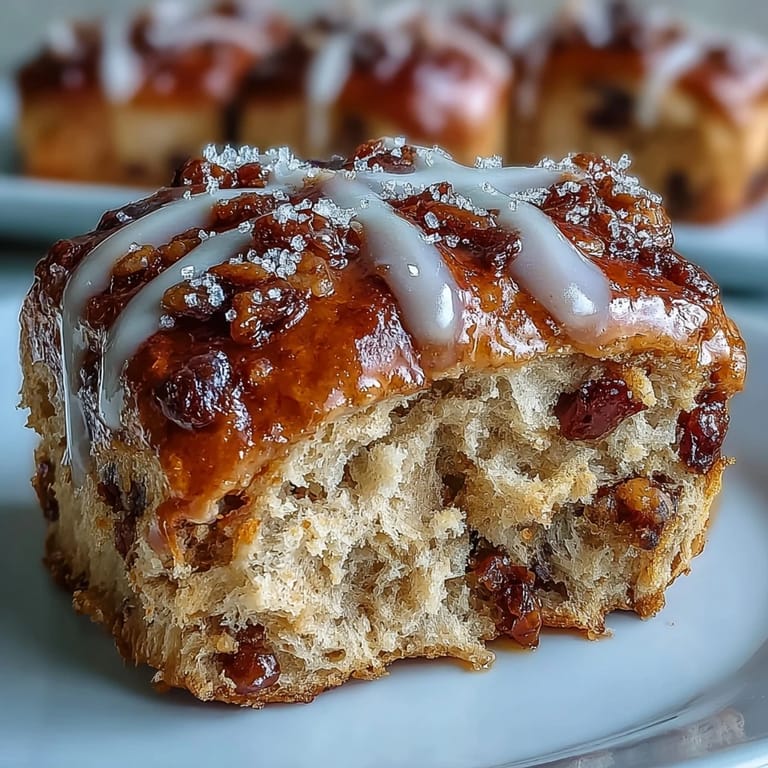
Save One quiet Easter morning, we gathered around the kitchen table, steam curling up from mugs of tea, and pulled apart buns warm from the oven—my brother joked about the sticky glaze on his fingers, and just like that, it felt like a true celebration.
Making the Perfect Dough
The window to a great bun is in the knead—too little and the buns stay heavy, too much and they toughen up. When the dough springs back with a light poke and feels stretchy but not sticky, it’s just right.
Customizing The Fruit
Swapping out half the raisins for dried cranberries or apricots keeps things interesting, and candied peel brings a beautiful, zesty chew. If you’re out of one ingredient, don’t fret—mixing and matching always leads to new favorites.
Finishing Touches That Matter
Brushing the glaze while the buns are still hot seals in moisture and gives that bakery-shop shine. Piping the cross doesn’t have to be perfect—friends will love them whether the lines are straight or a bit wobbly.
- If you don’t have apricot jam, honey works just as well.
- Leftover buns freeze perfectly and toast up beautifully next day.
- Use a damp towel for rising to prevent the dough from forming a crust.
 Save
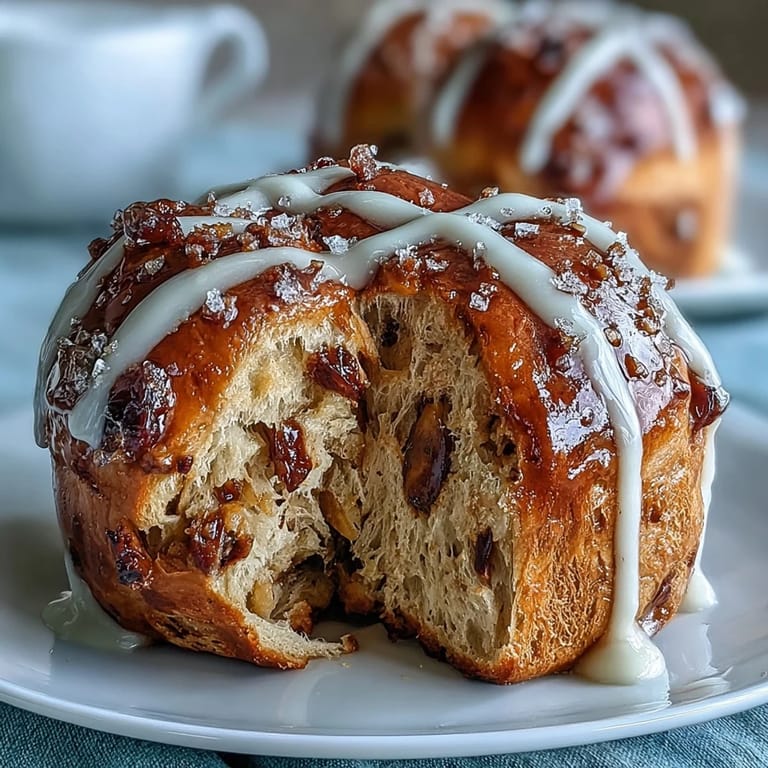
Save Here’s to flour-dusted aprons, sweet spice in the air, and homemade buns that make any day feel special, even with a bit of chaos in the kitchen.
Recipe FAQ
- → How long should the first rise be?
Let the dough double in size, typically about 1 hour in a warm spot. Cooler kitchens may take longer; look for a visibly puffed, springy dough.
- → Can I use instant yeast instead of active dry?
Yes. Use instant yeast in the dry mix (about 2 tsp) and expect slightly faster rise times. Keep an eye on the dough rather than strict timing.
- → How do I keep the buns soft after baking?
Brush warm buns with apricot jam or butter, then store cooled buns in an airtight container. Reheat briefly in a low oven or microwave before serving to refresh softness.
- → What can I substitute for raisins?
Chopped dried apricots, cranberries, currants or mixed candied peel work well. Rehydrate very dry fruit in a little warm water or orange juice for plumper results.
- → How do I make and pipe the crosses?
Mix plain flour with just enough water to form a thick, pipeable paste. Transfer to a piping bag or zip-top bag, snip the tip, and pipe a clean cross over each bun before baking.
- → Can I freeze the buns?
Yes. Cool completely, wrap individually or in a sealed bag, and freeze up to 3 months. Reheat from frozen in a low oven and brush with warm jam after warming.