 Save
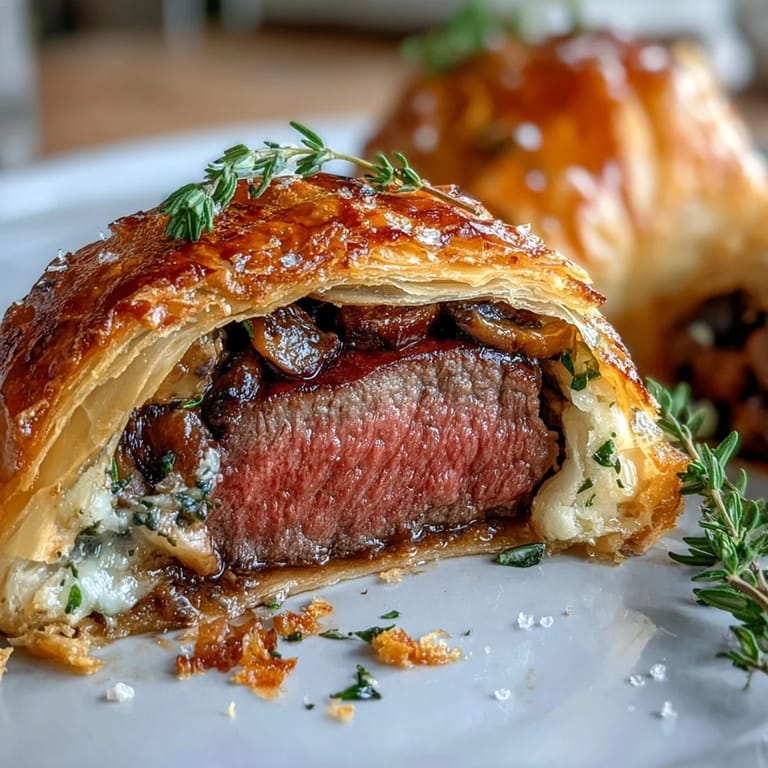
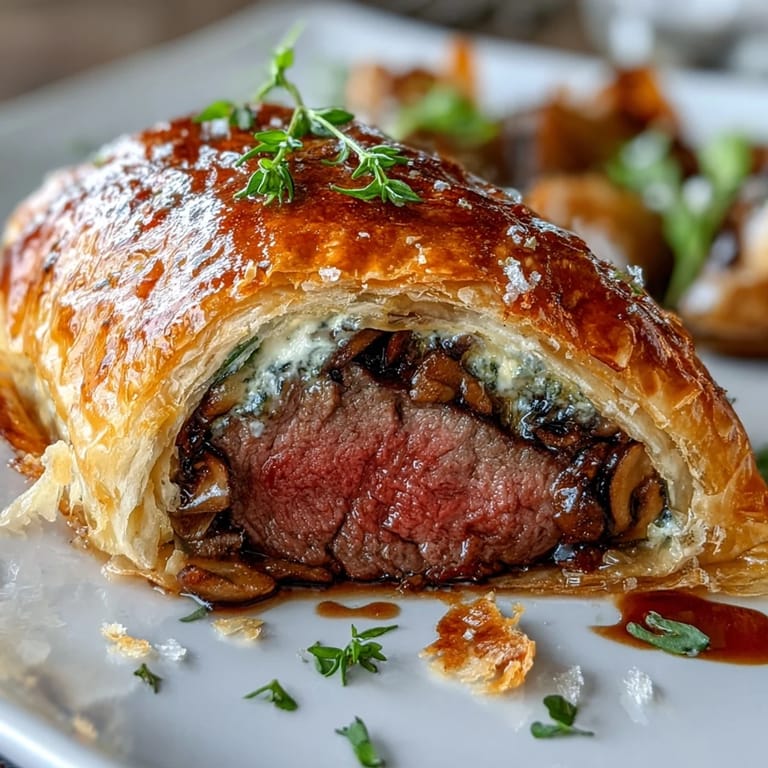
Save There’s something quietly thrilling about watching puff pastry blossom in the oven, turning beef into a centerpiece worthy of attention. I first tried making individual Beef Wellington one stormy autumn night, the kitchen windows rattling as I tried (and failed) to keep my pastry edges tidy—somehow, the imperfections made the victories sweeter. The scent of mushrooms and thyme will always remind me of that evening, laughter echoing over the hum of the oven fan. I soon learned wrapping each medallion became less daunting with each attempt, especially when the golden parcels emerged from the oven. The best part was discovering just how dazzling a classic dish could be when scaled down to personal, palm-sized bites.
One winter, I brought these mini Wellingtons to a friend's New Year's Eve potluck, and they disappeared before I could pour myself a glass of bubbly. The best compliment came in the form of happy silence—the kind that only happens when mouths are full and eyes are lit up with surprise. I’ll never forget the host whispering to me over the clatter of forks, "So you really made these? From actual scratch?" That moment, surrounded by friends, turned Beef Wellington from an intimidating classic into a personal tradition. Now, every time I make them, I think of how food can steal the spotlight and still draw everyone closer together.
Ingredients
- Beef filet medallions: Seek out center-cut pieces, about 1.5 inches thick, for tenderness—be sure to let them come to room temperature for even searing.
- Salt and black pepper: Season generously on all sides; it's the foundation of flavor for the beef.
- Cremini or button mushrooms: Chopped finely, these create the rich, aromatic duxelles; I’ve found pulsing them in a food processor makes the job swift.
- Shallot: The mild, sweet sharpness of shallot weaves throughout the mushroom mixture and is worth seeking out over ordinary onions.
- Garlic: Don’t be shy here—the double cloves are key to the duxelles’ savory depth.
- Unsalted butter: It lends silkiness as the mushrooms cook down; scraping brown bits as they appear adds another dimension.
- Fresh thyme leaves: This little aromatic brings everything together—if you can't find fresh, use half as much dried thyme for punch.
- Puff pastry (all-butter): Rich pastry makes all the difference; keep it cold but workable for crisp results.
- Prosciutto: Thin slices act as a flavor shield, keeping moisture away from the pastry and infusing every bite with subtle smokiness.
- Egg: The beaten egg turns the rain-pale pastry to deep gold; use a light hand to avoid puddles.
- Flour: Just a dusting helps prevent sticking and tearing when rolling out the pastry.
Tired of Takeout? 🥡
Get 10 meals you can make faster than delivery arrives. Seriously.
One email. No spam. Unsubscribe anytime.
Instructions
- Heat things up:
- Set your oven to 400°F (200°C) and nestle a sheet of parchment paper onto your baking sheet—this means less worry about sticking later.
- Season the star:
- Rub the medallions all over with salt and black pepper; don’t skimp, the flavor rides along for the ride.
- Sear for flavor:
- Fire up your skillet until it hums, then sear each medallion for 1 minute per side—just enough for a deep brown crust, but keep the inside rare and luscious. Let them cool on a plate before wrapping.
- Mushroom magic:
- Butter fizzing, sauté shallot and garlic just until fragrant, then tumble in mushrooms, thyme, salt, and pepper; cook until the whole mixture is dry, savory, and nearly sticky, about 8 minutes. This concentration of flavor is why duxelles are so addictive—let it cool so it doesn't melt your pastry.
- Pastry prep:
- Scatter flour over your work surface and roll pastry to 1/8-inch thick. Slice into six squares, measuring with your eye (a rustic approach is forgiving and delicious).
- Layer and build:
- On each pastry square, drape prosciutto, then evenly spread a spoonful of duxelles over top so every bite gets both. The layers keep the pastry from sogginess and amp up the elegance.
- Bundle it up:
- Place a cooled beef medallion atop the mushrooms, fold corners up and over, pressing seams so nothing escapes—trim extra dough and gently press into neat parcels, then flip seam-side down onto your baking tray.
- Gloss and garnish:
- Brush each with beaten egg for a golden shell; if you’re feeling playful, use scraps to make little leaves or stars and press them on before another egg wash.
- Bake and savor:
- Bake for 18–20 minutes, watching for puffed, golden pastry—when they sing with a hollow tap, remove and let rest 5 minutes before serving so juices settle and the pastry stays crisp.
 Save
Save 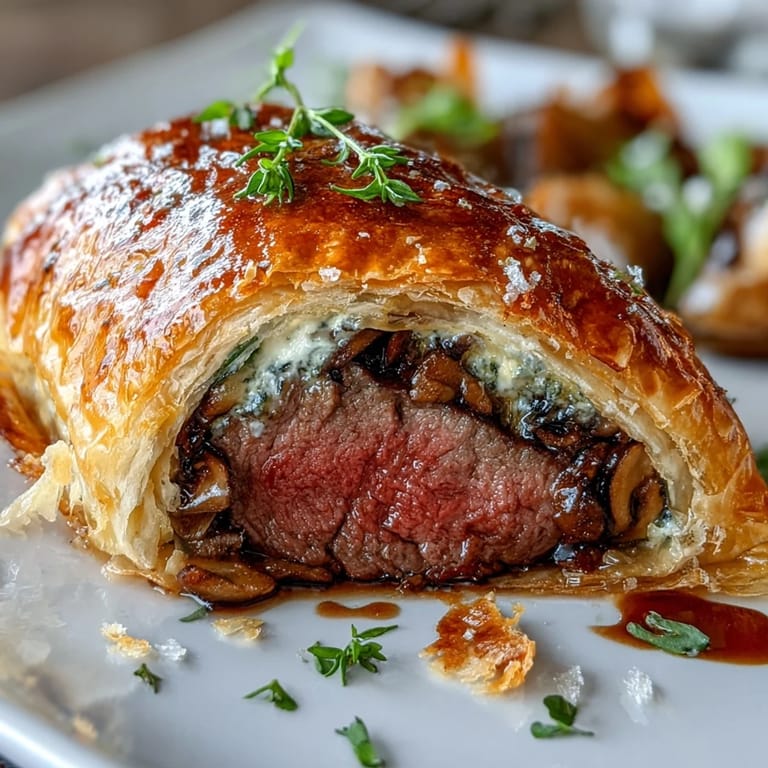 Save
Save Several weeks back, my niece leaned in to help decorate the tops with tiny pastry stars, her hands dusted with flour, cheeks rosy from laughing at my lopsided shapes. That day, the dish wasn’t just dinner—it was teamwork, mess, and creativity all wrapped in crispy layers. Seeing her beam with pride as we pulled the tray from the oven reminded me: food made together always tastes better.
What Makes These Wellingtons Work for Parties
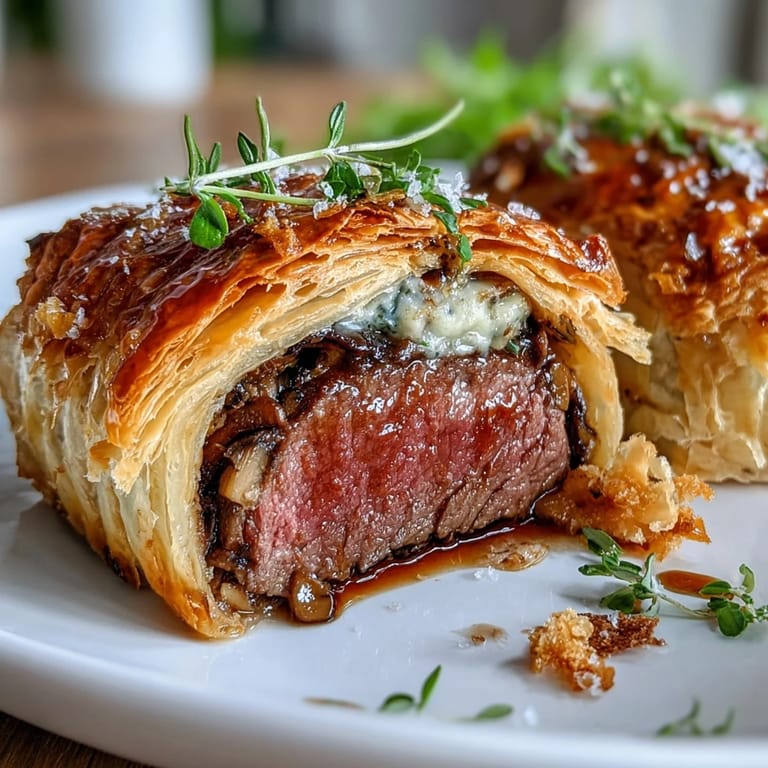
Because each Wellington is its own tidy little parcel, serving is effortless—no carving or dividing needed. It takes the edge off hosting stress, since you can prep everything ahead and simply pop them in the oven when guests arrive. Plus, watching friends break through that shattering pastry all at once makes for the most satisfying shared gasp. Hosting is so much more relaxed when you know dinner will look and taste like a million bucks. Besides, they reheat surprisingly well if you’re lucky enough to have leftovers.
What to Serve Alongside
I love offering a bright, peppery salad or barely blanched green beans in lemony olive oil, keeping the whole plate light next to the rich flavors. Red wine reduction makes a classic pairing, but sometimes a swirl of mustard crème fraîche brings out the earthiness in the mushrooms. Truly, a well-chosen glass of Cabernet or your favorite nonalcoholic fizz never hurts either. The key is balance, so everything on the plate gets its moment to shine. There’s joy in letting guests improvise their own perfect bite.
Pastry Tricks to Remember
Chill your assembled Wellingtons in the fridge for at least 15 minutes before baking if you have time—it helps pastry keep its shape and prevents leaks. Don’t forget to run your knife along the seams to make sure they’re gently pressed closed, especially at the corners. And never underestimate the power of cutting a tiny steam vent in the top so the pastry doesn’t puff out unevenly in the oven.
- If your kitchen is warm, work quickly to keep the pastry cold.
- A pan with a rim keeps drips from hitting the bottom of your oven.
- Egg wash right before baking is the golden ticket to dazzling color every time.
 Save
Save  Save
Save May these individual Beef Wellingtons bring you as much surprise and satisfaction as they have in my kitchen. Sometimes the fanciest dishes are simply an invitation for a little improvisation and a lot of joy.
Recipe FAQ
- → How do I check the doneness of the beef?
Use an instant-read thermometer inserted into the center of the medallion before wrapping; aim for about 125°F (52°C) for medium-rare, as carryover heat will rise slightly during resting. Quick searing on high heat seals flavors while keeping the interior tender.
- → How can I keep the pastry crisp and prevent sogginess?
Cool the seared medallions and fully dry the mushroom duxelles before assembling. Roll pastry thin, brush with beaten egg, and bake at a high temperature so steam escapes quickly. Avoid overfilling and place parcels seam-side down on a parchment-lined tray.
- → Can components be prepared ahead of time?
Yes. Make the mushroom duxelles and sear the medallions in advance, then chill both. Assemble just before baking or wrap assembled parcels and refrigerate for up to a day—bring back to cold from fridge before baking to minimize condensation.
- → What mushrooms work best for the duxelles?
Cremini or button mushrooms are excellent for a balanced flavor and texture. For deeper umami, mix in finely chopped shiitake or rehydrated porcini. Cook the mix until all moisture evaporates so the duxelles stays concentrated and spreadable.
- → What can I use instead of prosciutto?
Parma ham or Parma-style cured ham are direct substitutes. For a lighter option, omit the cured ham and brush the beef with a thin layer of Dijon mustard before wrapping to add savory lift and a protective barrier against moisture.
- → How should I reheat leftovers to preserve texture?
Warm parcels in a 325°F (160°C) oven on a baking sheet until heated through and the pastry regains crispness. Avoid microwaving, which makes pastry soggy and can overcook the beef.