 Save
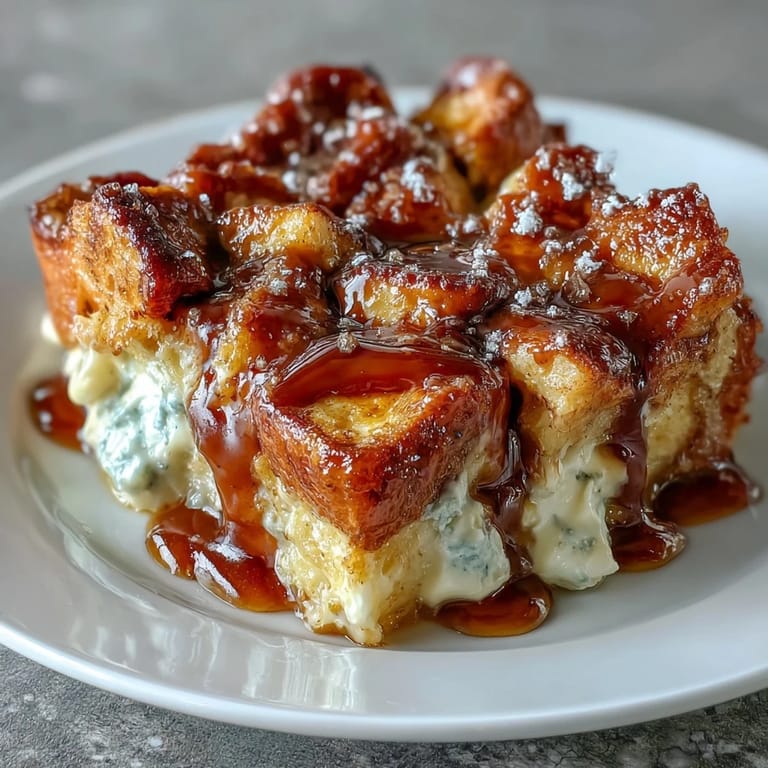
Save There's something about the smell of caramel and cream cheese mingling in a warm oven that makes you understand why people gather around breakfast tables like it's the most important meal of the day. My sister texted me one Sunday morning asking if I could bring something to feed her book club, and honestly, I was intimidated until I realized this casserole does most of the work while you sleep. The overnight chilling is like having a secret advantage—by morning, the bread has absorbed all that custardy richness, and you're just baking confidence into golden perfection. It's the kind of dish that makes you look like you've been up since dawn when really, you prepped it the night before.
I still remember pulling this out of the oven while my friends were scattered around the living room, and the moment the golden top caught the light, someone literally stood up and walked into the kitchen to see what was happening. That's when I knew this recipe had staying power—it doesn't just taste decadent, it announces itself with presence and warmth.
Ingredients
- Brioche or challah bread (1 loaf, cut into 1-inch cubes): These rich, tender breads absorb the custard like little sponges without turning mushy, which is the whole point of choosing them over regular sandwich bread.
- Cream cheese (8 oz, softened): Make sure it's truly soft before beating it, or you'll spend frustrating minutes breaking up lumps when you could be enjoying a coffee.
- Whole milk (1 cup): The fat content matters here because it creates that silky, custardy texture throughout the baked casserole.
- Heavy cream (1 cup): This is what separates indulgent from forgettable—don't skip it or substitute lighter cream.
- Eggs (5 large): They're the binder that transforms everything into a cohesive, creamy whole when combined with the dairy.
- Unsalted butter (¼ cup, melted): Melted butter distributes evenly through the egg mixture and adds richness without competing with the caramel and cream cheese.
- Granulated sugar (¾ cup): Split between sweetening the cream cheese layer and the custard, this gives you layers of sweetness without one note overwhelming the other.
- Light brown sugar (½ cup): It adds deeper, molasses-tinged sweetness that plays beautifully with caramel.
- Pure vanilla extract (2 tsp): Real vanilla makes a difference you'll taste in every bite, especially since it's not competing with chocolate or spices.
- Ground cinnamon (½ tsp): Just enough to hint at warmth without making this taste like a cinnamon roll.
- Salt (¼ tsp): This tiny amount actually brightens all the sweetness and prevents the casserole from tasting one-dimensional.
- Caramel sauce (1 cup store-bought or homemade): Use whatever brand or homemade version you trust—this isn't the place to experiment with something untested.
Tired of Takeout? 🥡
Get 10 meals you can make faster than delivery arrives. Seriously.
One email. No spam. Unsubscribe anytime.
Instructions
- Prepare your canvas:
- Grease that 9 x 13 inch baking dish generously with butter or nonstick spray, getting into the corners where bread tends to stick stubbornly. This step feels simple but saves you heartbreak when you're trying to serve.
- Layer one: bread foundation:
- Spread half your bread cubes evenly across the dish—don't pack them too tightly or the custard won't flow through properly. You want them touching but with little pockets of space for the egg mixture to reach every piece.
- Mix and dollop the cream cheese:
- Beat your softened cream cheese with half the granulated sugar and a teaspoon of vanilla until completely smooth and fluffy. Dollop spoonfuls over the bread layer like you're being generous but not wasteful—these pockets of tangy sweetness are what make people ask for the recipe.
- First caramel drizzle:
- Pour half your caramel sauce over the cream cheese and bread, letting it pool naturally into the gaps. Don't overthink the distribution; caramel wants to find its own path.
- Layer two: bread finale:
- Top everything with the remaining bread cubes, arranging them so they nestle into the caramel and cream cheese below. This creates structure and ensures even baking.
- Make the custard mixture:
- Whisk together eggs, milk, cream, melted butter, remaining sugars, vanilla, cinnamon, and salt in a large bowl until the mixture is smooth and no sugar crystals remain. The cinnamon should be fully incorporated so you don't get surprise spice pockets.
- Soak it all together:
- Pour the custard evenly over the bread layers, then press down gently with a spatula—not violently, just enough so the bread absorbs the liquid. Some pieces will float a bit; that's fine and actually helps ensure even cooking.
- The overnight rest:
- Cover your dish tightly with plastic wrap and refrigerate for at least eight hours, though overnight is ideal. This time allows the bread to fully absorb the custard and the flavors to become one unified, delicious whole.
- Prep for baking:
- Remove the casserole from the fridge about fifteen minutes before your oven reaches 350°F. This slight temperature adjustment helps it bake more evenly.
- Bake until golden:
- Bake uncovered for forty to forty-five minutes until the top is deep golden brown and the center jiggles just slightly when you shake the dish gently. If it's browning too fast, tent it loosely with foil and continue baking.
- Final caramel embrace:
- Warm the remaining caramel sauce while the casserole cools for five minutes, then drizzle it generously over the top. This last touch makes it look showstopping and tastes like pure luxury.
 Save
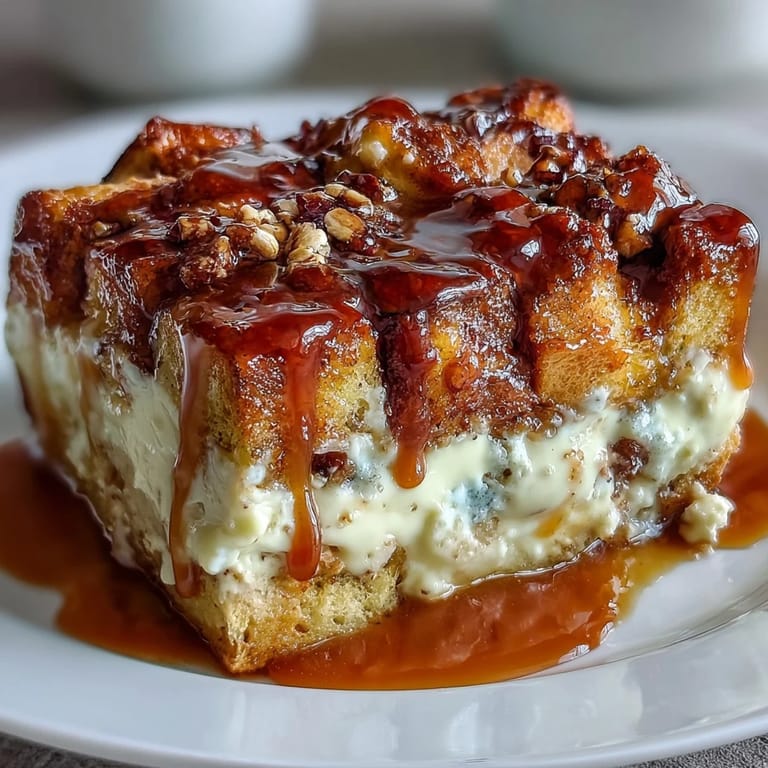
Save What struck me most was watching my six-year-old niece take a bite and go completely quiet, then ask for more with this expression of pure wonder. That's when food stops being about technique or technique and becomes about creating a moment someone remembers.
Why Overnight Chilling Changes Everything
The magic happens when time and patience do the work for you. As the casserole sits in the fridge, the bread gradually absorbs the custard mixture, and the cream cheese dissolves into the layers, creating pockets of tangy sweetness throughout. By morning, you're not baking separate components—you're baking something unified and cohesive that tastes like it's been developing flavor for hours, which it technically has.
Making It Your Own Without Losing the Magic
I've experimented with additions more than I probably should admit, and here's what actually works without sabotaging the delicate balance: nuts add textural interest, fresh berries served alongside (not baked in) provide brightness, and a sprinkle of cinnamon sugar on top before baking creates a subtle crunch. What doesn't work is introducing competing flavors like chocolate or espresso, which fight with the caramel and cream cheese rather than supporting them.
Storage and Reheating Secrets
Leftover casserole actually improves slightly in flavor after a day or two because the custard continues to set and the flavors meld deeper. Reheat in a 325°F oven covered with foil for about fifteen minutes, or in the microwave if you're in a hurry—both work, though the oven preserves more of that just-baked texture. This is also a recipe that freezes beautifully if you assemble it but don't bake it, though you'll need to add five to ten extra minutes to the baking time if going straight from freezer to oven.
- Refrigerate leftovers in an airtight container for up to four days, and reheat gently to preserve the creamy custard texture.
- Sprinkle fresh berries or chopped nuts on individual servings right before eating for maximum textural contrast.
- If serving for a crowd, keep the extra caramel warm in a small saucepan and let people drizzle their own to control sweetness levels.
 Save
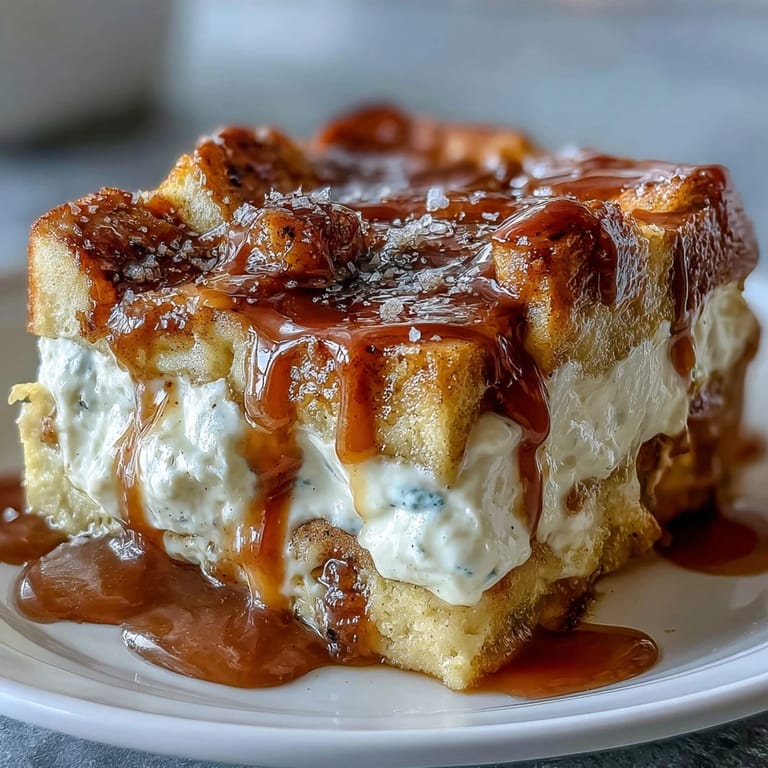
Save This casserole has become my answer to the question of what to bring to a brunch or celebration because it does all the work without requiring you to be awake at five in the morning. Every time I make it, I'm reminded that the best recipes are the ones that let you show up present and relaxed instead of frazzled in the kitchen.
Recipe FAQ
- → Can I use regular sandwich bread instead of brioche?
While brioche or challah provides the richest, most buttery texture due to their high egg and butter content, you can substitute with a sturdy French bread or thick-cut sourdough. Avoid using soft sandwich bread as it may become too mushy after soaking overnight.
- → How long should I refrigerate the casserole before baking?
For best results, refrigerate at least 8 hours or overnight. This allows the bread to fully absorb the custard mixture, creating that creamy, pudding-like interior while maintaining structure. You can refrigerate up to 24 hours before baking.
- → Can I freeze this casserole before or after baking?
Yes! Assemble the unbaked casserole, wrap tightly in plastic and foil, and freeze for up to 3 months. Thaw overnight in the refrigerator before baking. Alternatively, freeze leftovers in individual portions for quick reheating.
- → Why does my casserole turn out soggy in the middle?
Sogginess usually comes from using fresh, moist bread or not baking long enough. Start with slightly stale bread cut into uniform cubes, and ensure the center is set before removing from the oven. A clean knife inserted in the middle should come out clean.
- → Can I make this dairy-free or with substitutions?
For a dairy-free version, use plant-based cream cheese, coconut cream or oat milk instead of dairy cream, and vegan butter. Keep in mind that texture and flavor may vary slightly from the original.
- → What's the best way to reheat leftovers?
Reheat individual portions in the microwave for 30-60 seconds, or warm larger portions in a 180°C (350°F) oven for 10-15 minutes until heated through. Cover with foil to prevent excessive browning during reheating.