 Save
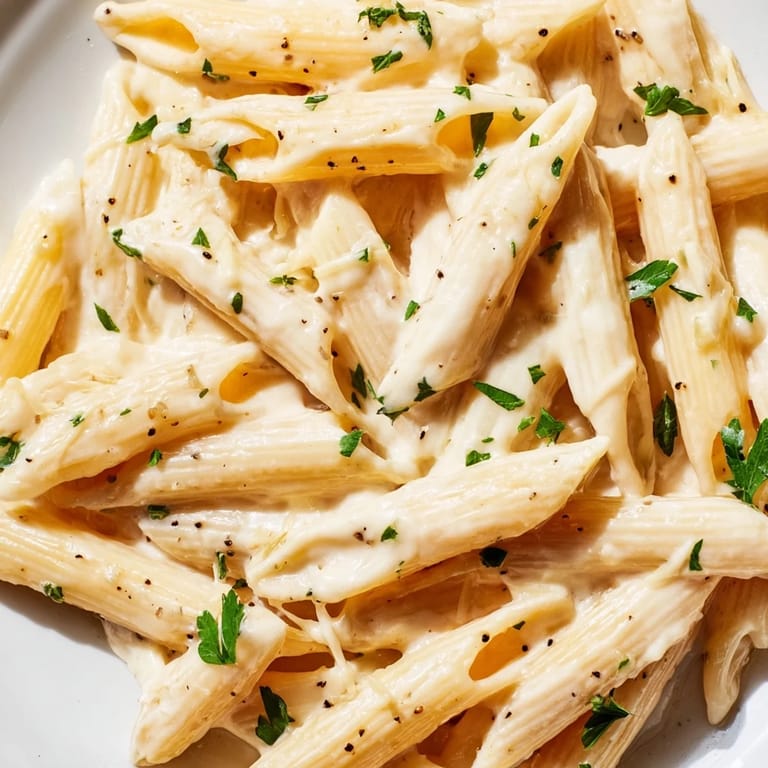
Save My stove was cluttered with three pots when a friend walked in and watched me juggle boiling pasta, heating sauce, and melting butter. She laughed and asked why I was working so hard. That night, she showed me this method, cooking pasta right in milk, one pot, no straining, no separate sauce. I stood there stirring, skeptical at first, then amazed as the milk thickened into something silky and rich. It felt like cheating, but in the best way.
I made this on a rainy Tuesday when my sister came over unexpectedly. We sat at the counter with bowls of this pasta, steam rising, talking about nothing important. She kept going back for seconds, scraping the creamy bits from the pan. Later she texted me asking for the recipe, and I realized I had never written it down because it felt too simple to count as a real recipe.
Ingredients
- Short pasta (350 g): Penne, fusilli, or rigatoni work best because their shapes trap the creamy sauce, and they cook evenly in milk without clumping.
- Whole milk (1 liter): This is the base and the sauce all at once, so do not skimp and use skim, or you will lose that luxurious creaminess.
- Unsalted butter (60 g): It adds richness and helps the garlic bloom without burning, plus it makes the sauce glossy.
- Grated Parmesan cheese (60 g): Freshly grated melts smoothly into the sauce, while pre-shredded can turn grainy because of added starches.
- Garlic cloves (2, minced): Just enough to perfume the milk without overpowering it, and mincing fine prevents any harsh bites.
- Salt (1/2 teaspoon): Start with less because the Parmesan will add more saltiness as it melts in.
- Black pepper (1/4 teaspoon): Freshly ground adds a gentle warmth that balances the creamy sweetness of the milk.
- Nutmeg (pinch, optional): A tiny amount deepens the flavor in a way you can not quite name, almost like a secret hum in the background.
- Fresh parsley and extra Parmesan: For garnish, because a little green and extra cheese on top makes it feel finished and special.
Tired of Takeout? 🥡
Get 10 meals you can make faster than delivery arrives. Seriously.
One email. No spam. Unsubscribe anytime.
Instructions
- Bloom the garlic:
- Melt the butter in a large deep skillet over medium heat, then add the minced garlic and stir for about a minute until it smells sweet and toasty. Do not let it brown or it will taste bitter.
- Heat the milk gently:
- Pour in the milk and bring it just to a gentle simmer, watching for tiny bubbles around the edges. Do not let it boil or it may curdle and ruin the texture.
- Add the pasta and seasonings:
- Stir in the pasta, salt, pepper, and nutmeg if using, making sure every piece is submerged. Give it a good stir to keep anything from sticking to the bottom.
- Cook and stir often:
- Let it cook uncovered for 12 to 15 minutes, stirring every couple of minutes so the pasta does not clump and the milk reduces into a creamy sauce. If it gets too thick before the pasta is done, add a splash more milk.
- Finish with Parmesan:
- Stir in the grated Parmesan until it melts completely and the sauce turns silky and clings to the pasta. Taste and adjust the salt and pepper as needed.
- Serve hot:
- Remove from heat and dish it up right away, topped with chopped parsley and extra Parmesan. This is best eaten fresh while the sauce is still creamy and warm.
 Save
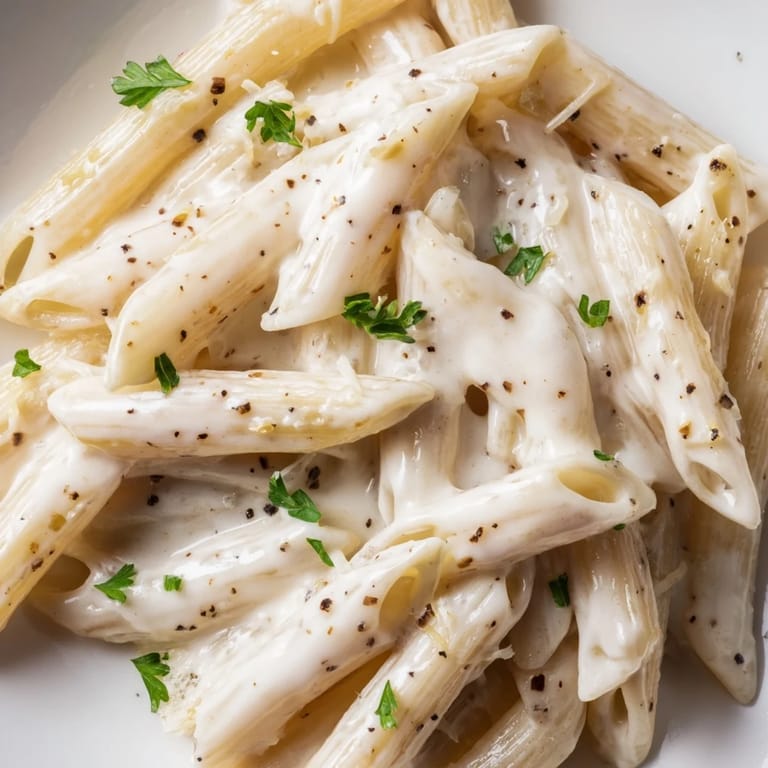
Save One evening I made this for my nephew who claimed he hated pasta with white sauce. He ate two bowls without saying a word, then asked if I could teach him how to make it. We stood side by side the next weekend, him stirring while I chopped parsley, and I watched him discover that cooking is not hard, it is just paying attention.
Making It Your Own
This recipe is a canvas, and I have added everything from sautéed mushrooms to handfuls of spinach wilted right into the sauce. Peas are sweet and bright, cooked bacon adds a smoky punch, and a spoonful of cream cheese at the end makes it even more luscious. Sometimes I toss in leftover roasted vegetables or a pinch of red pepper flakes for warmth. The base stays the same, but it never gets boring because you can change it every time depending on what is in your fridge or what sounds good that night.
What to Serve Alongside
I usually keep it simple with a crisp green salad dressed in lemon and olive oil, or some garlic bread if I am feeling indulgent. A glass of chilled Pinot Grigio cuts through the richness beautifully, and roasted asparagus or broccolini on the side adds a little bitterness that balances the creamy sweetness. If you want something heartier, a few slices of crusty sourdough for dipping into the leftover sauce is always a good idea. This dish is rich enough to stand alone, but it also plays well with light, bright sides.
Storage and Reheating
Leftovers can be stored in an airtight container in the fridge for up to two days, though the sauce will thicken as it cools. When you reheat it, add a splash of milk or a little pasta water and warm it gently on the stove, stirring often so it does not break. The microwave works in a pinch, but do it in short bursts and stir between each one to keep the texture smooth. Honestly, this is best eaten fresh, but I have never regretted having a small container of it waiting for me the next day.
- Add milk when reheating to bring back the creamy texture.
- Reheat gently on low heat to avoid separating the sauce.
- Store covered in the fridge and eat within two days for best flavor.
 Save
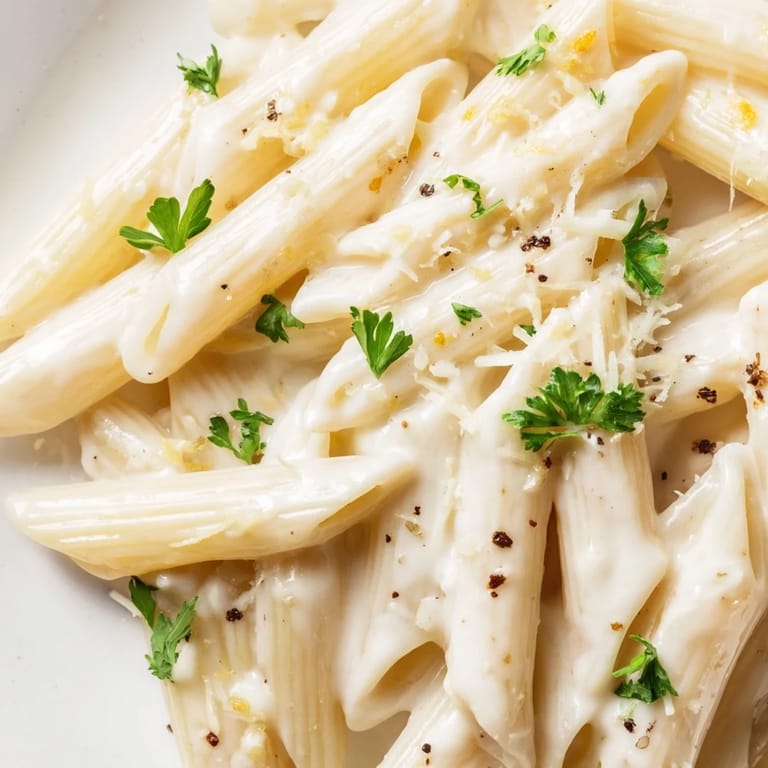
Save This is the kind of recipe that feels like a hug after a long day, warm and simple and exactly what you need. Keep it in your back pocket for nights when you want comfort without the fuss.
Recipe FAQ
- → Can I use any type of pasta for this dish?
Short pasta shapes work best—penne, fusilli, and rigatoni are ideal choices. Avoid long pasta like spaghetti as it's harder to coat evenly. Short shapes cradle the creamy sauce beautifully.
- → What happens if the sauce thickens too quickly?
Simply add a splash of milk to loosen it. The starch released from the pasta naturally thickens the liquid, so adjust consistency as needed. Stir frequently to prevent clumping and ensure even cooking.
- → Is this suitable for dairy-free diets?
Not in its traditional form, but you can substitute whole milk with unsweetened oat or cashew milk and use dairy-free butter and nutritional yeast instead of Parmesan for a vegan version.
- → Can I prepare this ahead of time?
Best served immediately while creamy. You can reheat gently with extra milk, but it's designed for quick weeknight preparation. Make it just before serving for optimal texture and flavor.
- → How do I prevent a grainy sauce?
Keep heat at medium and never boil—maintain a gentle simmer. Stir frequently and add grated Parmesan off heat, folding gently until melted. This prevents the sauce from breaking or becoming grainy.
- → What wines pair well with this dish?
Crisp white wines complement the creamy, buttery flavors beautifully. Try Pinot Grigio, Vermentino, or Sauvignon Blanc to cut through the richness and cleanse the palate between bites.