 Save
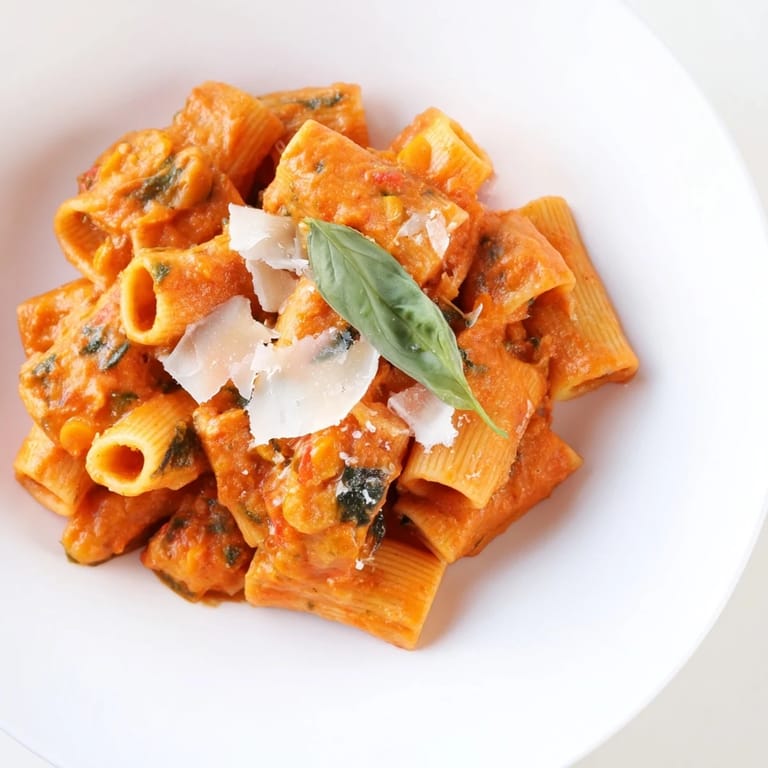
Save My daughter used to pick every green speck out of her spaghetti, no matter how finely I chopped the spinach. One rainy afternoon, I blended the vegetables into the tomato sauce instead of leaving them visible, and she ate two full bowls without a single complaint. The kitchen smelled like a trattoria, warm and garlicky, and I realized I'd stumbled onto something that worked for all of us. Now this sauce is my secret weapon whenever I want to load up on vegetables without the usual mealtime negotiations. It tastes rich and satisfying, and nobody ever guesses what's hiding inside.
I started making this sauce on Sunday afternoons when I had a little extra time to let it simmer. My son would wander into the kitchen, drawn by the smell of garlic and oregano, and ask what was for dinner. When I told him it was loaded with vegetables, he'd look skeptical, but after tasting it over penne, he'd always go quiet and focus on his plate. That's when I knew the recipe was a keeper. It became our go to for weeknight pasta, and I'd double the batch so I could freeze half for those evenings when cooking felt impossible.
Ingredients
- Carrots: They add natural sweetness and body to the sauce, and once pureed, they blend seamlessly into the tomato base without any carrot flavor standing out.
- Zucchini: This vegetable melts into the sauce and adds a subtle creaminess, plus it doesn't water down the consistency like you might expect.
- Spinach: Fresh spinach wilts quickly and disappears into the puree, contributing vitamins and a deeper color without any bitterness.
- Onion and garlic: These aromatics form the flavor foundation, and sauteing them first brings out a sweetness that balances the acidity of the tomatoes.
- Olive oil: A good quality olive oil makes a difference here, it carries the flavors and gives the sauce a silky finish.
- Crushed tomatoes: I prefer crushed over diced because they break down more easily and create a smoother texture after blending.
- Tomato paste: This concentrates the tomato flavor and thickens the sauce just enough without making it heavy.
- Oregano and basil: Dried herbs work perfectly in this recipe because they have time to bloom in the simmering sauce, but you can add fresh basil at the end for brightness.
- Salt, pepper, and sugar: A pinch of sugar is optional, but it really helps if your tomatoes are too acidic, and I've learned to taste and adjust at the end.
- Parmesan cheese: Stirring in a little Parmesan after blending adds a savory depth, though the sauce is delicious without it too.
Tired of Takeout? 🥡
Get 10 meals you can make faster than delivery arrives. Seriously.
One email. No spam. Unsubscribe anytime.
Instructions
- Start with the aromatics:
- Heat the olive oil in a large saucepan over medium heat, then add the chopped onion and minced garlic, stirring until they soften and smell fragrant, about three minutes. Don't let the garlic brown or it will taste bitter.
- Cook the hidden vegetables:
- Toss in the chopped carrots and zucchini, stirring occasionally until they start to soften, about five to seven minutes. Add the spinach and cook just until it wilts and shrinks down, about two minutes.
- Build the tomato base:
- Pour in the crushed tomatoes and stir in the tomato paste until everything is well combined. Season with oregano, basil, salt, pepper, and a pinch of sugar if your tomatoes taste sharp.
- Simmer until tender:
- Bring the sauce to a gentle simmer, then cover and reduce the heat to low, letting it cook for twenty minutes and stirring occasionally. The vegetables should be very soft and tender, almost falling apart.
- Puree until smooth:
- Remove the pan from the heat and let it cool slightly, then use an immersion blender to puree the sauce right in the pot until it's completely smooth. If you're using a countertop blender, work in batches and be careful with the hot liquid.
- Finish and adjust:
- Return the sauce to the heat if needed, taste, and adjust the seasoning with more salt or pepper. Stir in grated Parmesan if you like, and serve hot over pasta with a sprinkle of fresh basil.
 Save
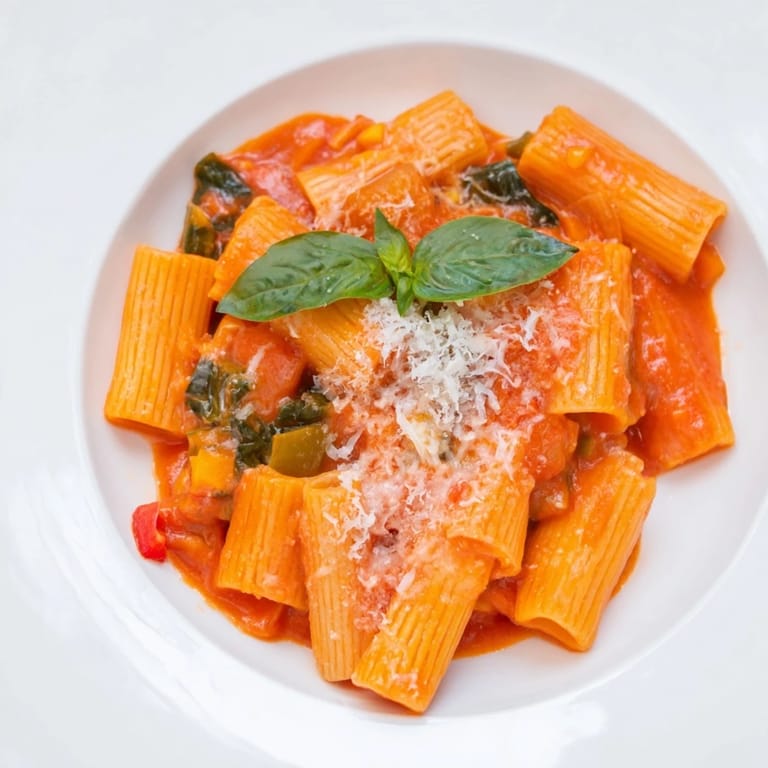
Save One evening, I served this sauce to a group of friends who'd come over for a casual dinner. Everyone complimented the richness and asked if I'd used cream, and when I listed the vegetables inside, they didn't believe me until I showed them the empty zucchini and spinach bags. That night, the sauce became more than just a clever trick for my kids, it became a conversation starter and a reminder that good food doesn't have to be complicated or obvious. I've since shared the recipe with at least a dozen parents, and every one of them has reported back with stories of their own picky eaters asking for more.
How to Store and Reheat
I always make a double batch and freeze half in labeled containers, which has saved me more times than I can count on rushed weeknights. The sauce keeps in the fridge for up to five days and reheats beautifully on the stovetop with a splash of water to loosen it. For freezing, I use small containers or even ice cube trays for single servings, and the sauce stays fresh for up to three months. Just thaw it overnight in the fridge or reheat it directly from frozen over low heat, stirring often. The flavors actually deepen after a day or two, so leftovers are never a disappointment.
Customizing Your Sauce
Once you've made this sauce a few times, you'll start to see how flexible it is and how easy it is to adapt. I've stirred in a splash of heavy cream for a creamy tomato version, and I've added a pinch of red pepper flakes when I wanted a little heat. You can also swap the vegetables depending on what you have on hand, I've used red bell pepper and yellow squash with great results. If you want a chunkier sauce, blend only half and leave the rest with some texture. The base recipe is forgiving, so feel free to experiment and make it your own.
Serving Suggestions
This sauce works with any pasta shape, but I love it best with penne, rigatoni, or spaghetti because they hold the sauce well. It's also fantastic as a base for baked ziti or lasagna, and I've even used it as a pizza sauce when I needed something quick and flavorful. Serve it with a side of garlic bread and a simple green salad, and you've got a complete meal that feels comforting and wholesome.
- Top with extra Parmesan and torn fresh basil for a classic finish.
- Use it as a dipping sauce for mozzarella sticks or breadsticks at your next gathering.
- Toss it with cooked chicken or meatballs for a heartier version that everyone will love.
 Save
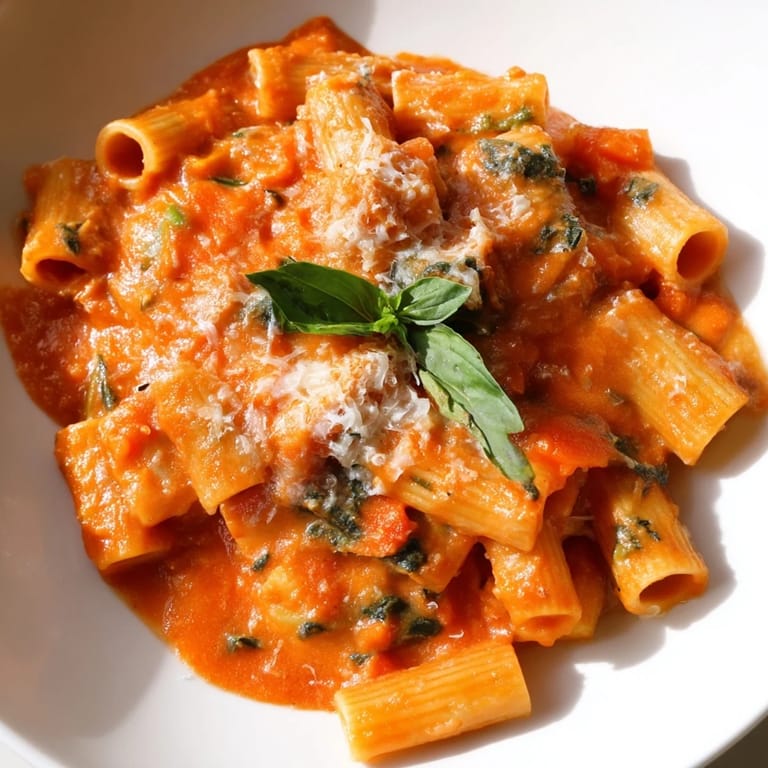
Save This sauce has turned into one of those recipes I make without thinking, the kind that feels like a small act of care every time I stir the pot. I hope it brings the same ease and quiet satisfaction to your kitchen that it's brought to mine.
Recipe FAQ
- → Can I make this sauce without an immersion blender?
Yes, you can use a countertop blender instead. Let the sauce cool slightly, then transfer it in batches to blend until smooth. Return the pureed sauce to your saucepan to finish cooking.
- → How do I store leftover sauce?
Store in airtight containers in the refrigerator for up to 5 days, or freeze in portioned containers for up to 3 months. Thaw overnight in the refrigerator before reheating gently on the stovetop.
- → Can I substitute the vegetables?
Absolutely. You can swap zucchini for mushrooms, add bell peppers, or use kale instead of spinach. Keep the total vegetable volume similar to maintain sauce consistency and cooking time.
- → Is this sauce suitable for a vegan diet?
Yes, this sauce is naturally vegan when you omit the Parmesan cheese. Use plant-based alternatives if you want that umami flavor boost, or simply skip it entirely.
- → Why does my sauce taste acidic?
Canned tomatoes can be acidic. Add the optional sugar to balance the flavor, or stir in a tablespoon of butter or cream after blending for richness that naturally rounds out the taste.
- → How long does this take to prepare?
Total time is 45 minutes: 15 minutes for prep and 30 minutes for cooking. The actual hands-on work is minimal, with most time spent simmering while you attend to other tasks.