 Save
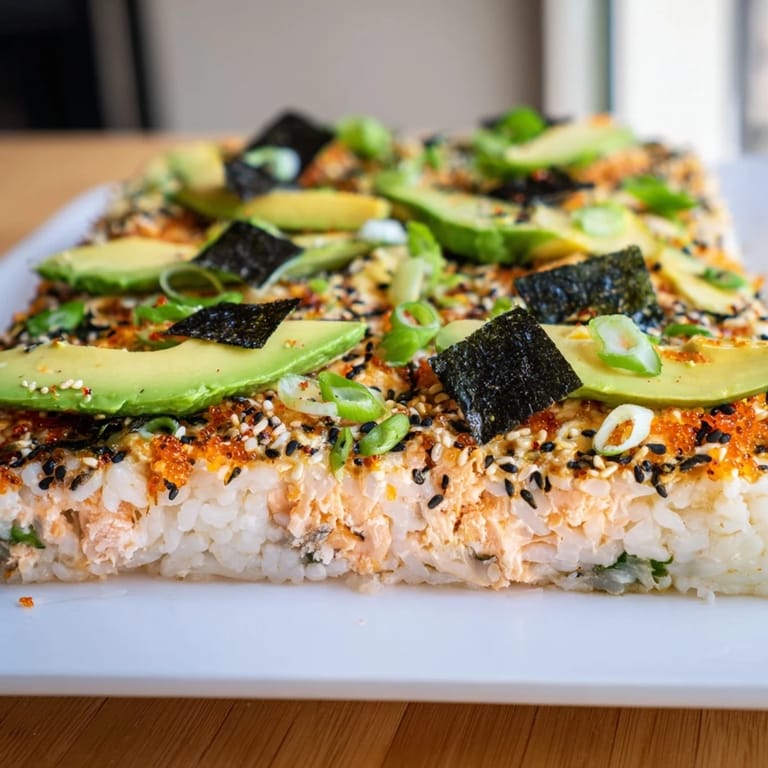
Save I discovered sushi bake by accident on a Tuesday night when my usual sushi craving hit but I had no energy to roll. My roommate suggested we just layer everything like a casserole instead, and I laughed until I actually tried it. The moment that warm, creamy salmon mixture hit the rice, I realized we'd stumbled onto something better than the traditional rolls—easier, faster, and somehow even more indulgent. Now I make it whenever I want that sushi satisfaction without the precision and patience rolling demands.
I made this for a dinner party last spring when one of my friends mentioned she'd love sushi but always felt intimidated making it at home. Watching her face light up when she took that first bite, then immediately asking for the recipe, reminded me that good food doesn't need to be complicated or traditional to be memorable. That night turned into a whole conversation about how recipes don't need to follow rules to be delicious.
Ingredients
- Sushi rice: The foundation of everything—use actual sushi rice, not regular long-grain, because the starch content makes a difference in texture when it bakes.
- Rice vinegar, sugar, and salt: These three create the tangy seasoning that makes sushi rice taste like itself, not just white rice in a bowl.
- Salmon fillet: Fresh is ideal, but honestly I've used frozen (thawed properly) and it works beautifully; the baking keeps it moist and tender.
- Soy sauce and sesame oil: These season the salmon before baking, so it doesn't taste bland under all those creamy layers.
- Cream cheese and Kewpie mayonnaise: Kewpie is sweeter and richer than regular mayo, which is why it tastes so much better here—but if you only have regular mayo, add an extra teaspoon of rice vinegar to brighten it.
- Sriracha: Optional but honestly non-negotiable if you like a little heat cutting through all the richness.
- Avocado: Add this just before serving so it doesn't oxidize and turn dark and unappetizing.
- Nori: Cut it into small squares so it stays crispy and distributes evenly rather than getting soggy in big sheets.
- Spring onions and sesame seeds: These finish the dish with bright flavor and textural contrast that makes every bite interesting.
Tired of Takeout? 🥡
Get 10 meals you can make faster than delivery arrives. Seriously.
One email. No spam. Unsubscribe anytime.
Instructions
- Prepare the rice:
- Rinse your sushi rice under cold running water, stirring gently with your fingers, until the water runs completely clear—this removes excess starch and prevents gluey rice. Cook it with the measured water, then let it steam off the heat for ten minutes so every grain becomes fluffy and separate.
- Season and spread:
- While the rice is still warm, gently fold in the vinegar mixture using a rice paddle or fork, being careful not to mash the grains. Spread it evenly into your baking dish and let it cool for a few minutes before layering on top.
- Bake the salmon:
- Season your fillet, bake it until it flakes easily with a fork, then break it into tender pieces while it's still warm so it combines better with the cream cheese mixture. The salmon should be cooked through but still moist inside.
- Make the creamy layer:
- Blend your cream cheese, mayo, and sriracha until completely smooth—lumpy cream cheese will make the final texture weird and grainy. Fold in the warm salmon gently so the pieces stay intact.
- Layer and bake:
- Spread the salmon mixture over your rice layer, then bake the whole casserole until you can see just a hint of golden brown on top and the center is warm all the way through. This final bake melds everything together.
- Top and serve:
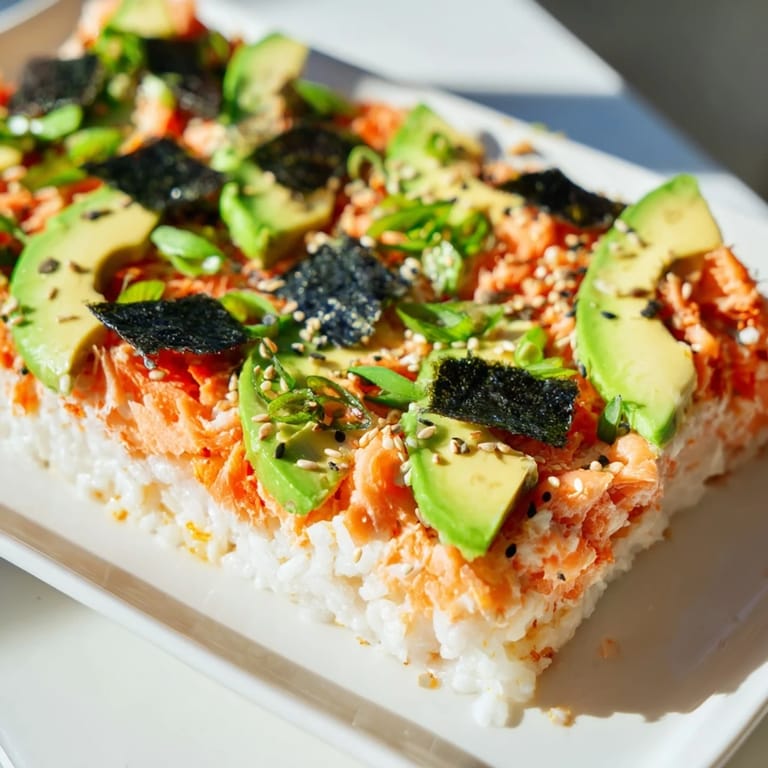
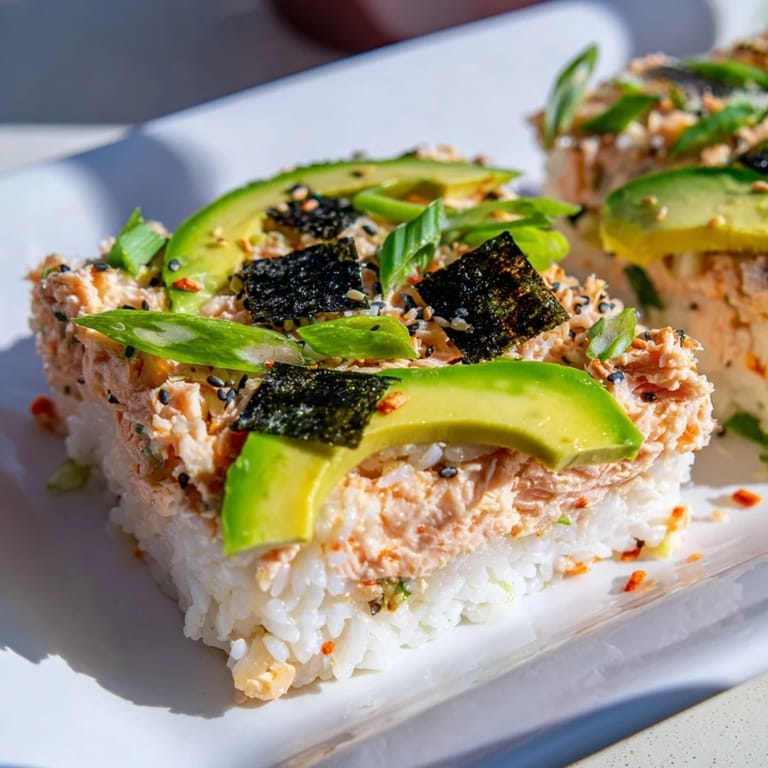
- Add your avocado, nori squares, sesame seeds, and spring onions right before serving so the avocado stays bright green and the nori doesn't soften. Slice it like a regular casserole and serve warm.
 Save
Save There's something almost meditative about layering this dish, watching each component settle into place beneath the next. It feels less like cooking and more like building something, and by the time it comes out of the oven with those golden edges, you've created something that tastes like it took way more effort than it actually did.
Variations That Work
The beauty of a casserole is flexibility—I've made this with cooked crab meat when I was trying to use up leftovers, with canned tuna for a weeknight version, and even with cooked shrimp when someone at my table didn't eat salmon. Each version tastes subtly different but equally satisfying. The structure stays the same, just swap out the protein, and you've got a completely new dish that still feels intentional and delicious.
Building Flavor Layers
The magic of this dish happens because of how the flavors talk to each other: the bright vinegar in the rice cuts through the richness of the cream cheese layer, the umami from the soy-seasoned salmon ties everything together, and the heat from sriracha (if you use it) prevents the whole thing from feeling heavy or one-note. It's why you can't just make this with plain rice and plain salmon—the seasoning work is what separates a good casserole from an unforgettable one.
Serving and Pairing Secrets
I serve this warm straight from the oven because the rice and salmon layers are best when there's still steam rising from the dish. A crisp, dry white wine like Sauvignon Blanc or chilled sake alongside it makes the whole experience feel restaurant-quality, even though you made it in your kitchen. The pickled ginger and wasabi aren't just garnishes—they're flavor palate cleansers that refresh your mouth between bites and make you actually taste the next forkful differently.
- Slice it with a sharp, thin knife dipped in water so you get clean cuts and the layers stay distinct on the plate.
- If you're serving a crowd, make it in a larger baking dish and bring it straight to the table so people can see those beautiful golden layers.
- Leftovers (yes, there often are) taste great the next day reheated gently in a 300°F oven, though the nori and avocado are always better fresh.
 Save
Save This recipe proved to me that traditions don't have to be rigid to be respectful—sometimes the best homage to something you love is making it your own. Whether you follow it exactly or improvise wildly, you're going to end up with something delicious to share.
Recipe FAQ
- → Can I substitute salmon with other seafood?
Yes, crab meat, canned tuna, or cooked shrimp can be used as substitutions for salmon.
- → How do I prepare the rice layer for this dish?
Rinse sushi rice until clear, simmer with water covered for 15 minutes, then mix with rice vinegar, sugar, and salt before layering.
- → What toppings complement this baked dish?
Sliced avocado, roasted nori squares, toasted sesame seeds, and thinly sliced spring onions add texture and flavor.
- → Is there a way to lighten the creamy layer?
Using light mayonnaise and reduced-fat cream cheese can reduce calories while maintaining creaminess.
- → What beverage pairs well with this meal?
A crisp, dry white wine like Sauvignon Blanc or chilled sake enhances the flavors perfectly.
- → Can I add extra crunch to the casserole?
Sprinkling panko breadcrumbs on top before baking provides additional texture and crispiness.