 Save
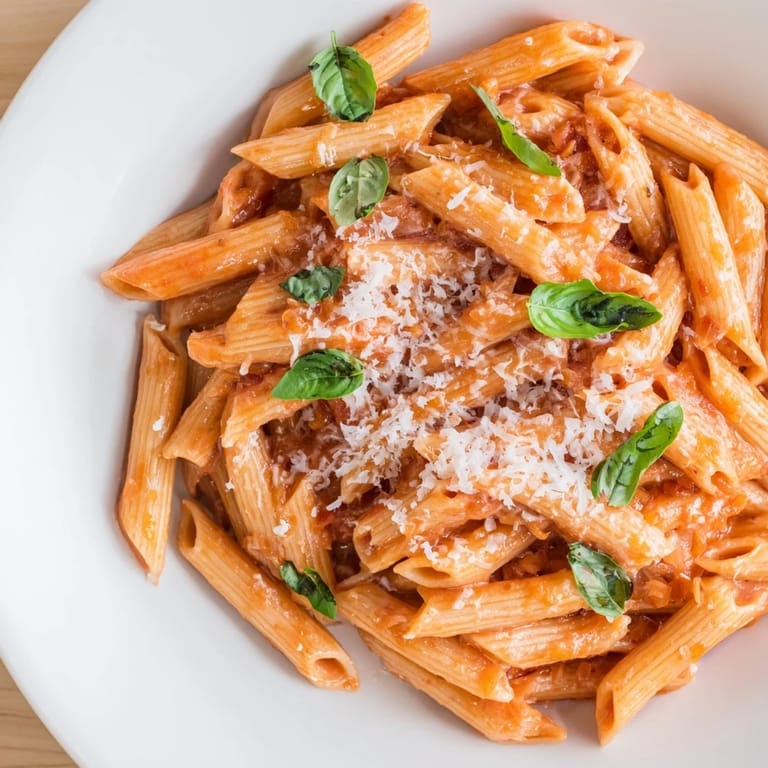
Save One rainy Thursday, I opened my fridge to find practically nothing except pasta, garlic, and a can of tomatoes that had been waiting for the right moment. I decided right then to throw everything into one pot, cream and all, and what emerged was so effortless and silky that I've been making it ever since—usually when I need comfort food fast but don't want to sacrifice flavor.
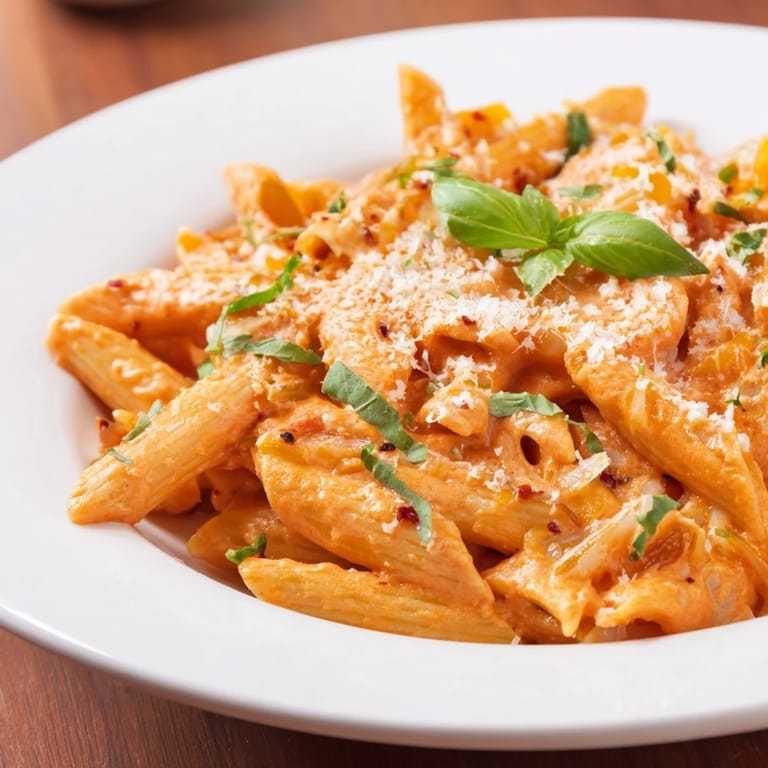
I made this for my neighbor one evening when she mentioned craving something warm and cozy, and watching her face light up at that first forkful—the way the sauce clung to the pasta—made me realize this dish has a quiet kind of magic that turns an ordinary weeknight into something special.
Ingredients
- Penne or fusilli pasta (350 g): The ridges catch and hold every drop of sauce, so skip the smooth varieties unless you prefer a lighter coating.
- Olive oil (2 tbsp): This is your foundation; use something you'd actually taste on bread, not the cheapest bottle.
- Yellow onion (1 medium, finely chopped): Chopping it small lets it dissolve into sweetness rather than leaving distinct chunks.
- Garlic (4 cloves, minced): Fresh is non-negotiable here—pre-minced loses its punch by the time your sauce is done.
- Red pepper flakes (1/2 tsp, optional): A whisper of heat balances the richness of the cream without overpowering the basil.
- Canned crushed tomatoes (800 g): San Marzano varieties have fewer seeds and less watery juice, which matters when you're cooking everything together.
- Tomato paste (2 tbsp): This concentrate deepens the tomato flavor and acts as a gentle thickener for your sauce.
- Sugar (1 tsp): It's not about sweetness—it rounds out the acidity of the canned tomatoes in a way salt alone cannot.
- Salt and black pepper: Start conservatively since Parmesan will add its own salty notes later.
- Heavy cream (200 ml): The cream transforms everything into velvet; use full-fat and add it at the very end so it doesn't break.
- Parmesan cheese (60 g, freshly grated): Pre-grated cheese has anti-caking powder that makes the sauce gritty; spend thirty seconds with a box grater instead.
- Fresh basil (1 cup, chopped): Add it after cooking so the heat doesn't turn it black and bitter; the bright green color and flavor are worth the timing.
- Water or vegetable broth (600 ml): Broth adds depth, but plain water works perfectly fine if that's what you have.
Tired of Takeout? 🥡
Get 10 meals you can make faster than delivery arrives. Seriously.
One email. No spam. Unsubscribe anytime.
Instructions
- Toast the aromatics:
- Heat olive oil over medium heat and sauté the chopped onion for 3 to 4 minutes until it softens and turns translucent. Add the minced garlic and red pepper flakes, then cook for about 1 minute just until the kitchen fills with that unmistakable garlic fragrance.
- Build your sauce base:
- Stir in the crushed tomatoes, tomato paste, sugar, salt, and pepper, mixing everything together so there are no streaks of paste left. This should smell rich and concentrated, like the foundation of something really good.
- Add the pasta and liquid:
- Pour in the pasta and water (or broth), stirring so the pasta isn't clumped in one spot. It should be mostly submerged, though don't worry if a few pieces peek above the surface.
- Bring and simmer:
- Turn up the heat until you see a gentle boil, then lower it to medium-low, cover the pot, and let it cook for 12 to 14 minutes, stirring every few minutes. The pasta should be tender and the liquid mostly absorbed, with just a little sauce pooling at the bottom.
- Finish with cream and cheese:
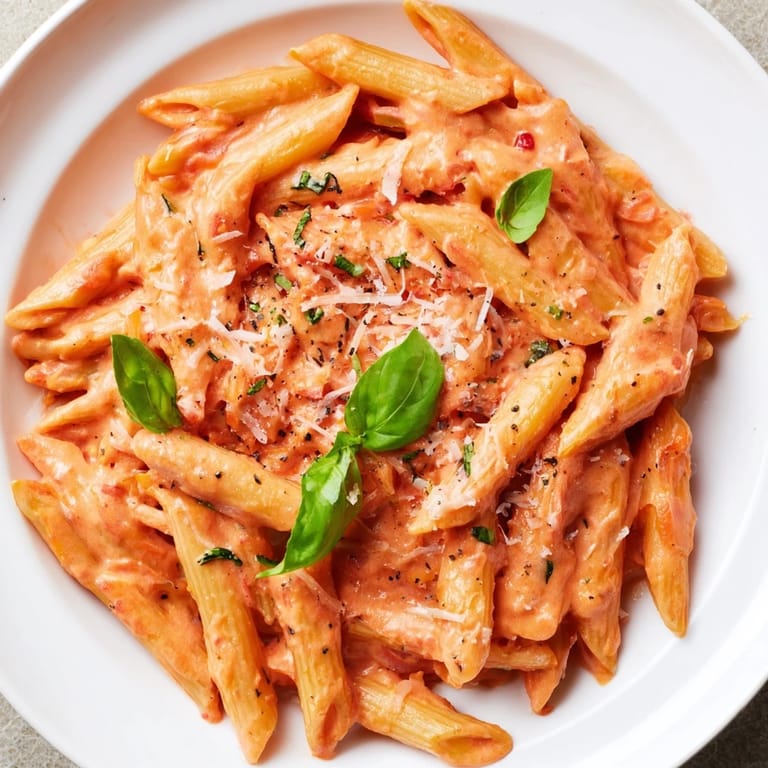
- Stir in the heavy cream and freshly grated Parmesan, cooking uncovered for 2 to 3 minutes until everything is glossy and combined. The heat should be low enough that the cream never boils, just gently warms through.
- Taste and season:
- Fold in the chopped basil, then taste and adjust salt and pepper if needed. Fresh basil added at the end keeps its green brightness and peppery note.
 Save
Save My daughter once asked why this pasta was different from the kind I made on busy nights, and I realized it wasn't the ingredients—it was that I'd slowed down and paid attention, listening for the sizzle of garlic and watching the sauce shift from bright red to deeper rust as it thickened. Moments like that remind me cooking isn't really about the food at all.
Why This Works as a One-Pot Meal
Cooking the pasta directly in the sauce instead of in salted water means every starch that sheds from the pasta goes into thickening the sauce, so you end up with something naturally creamy without needing extra cream. The short simmer time keeps the basil flavor from being cooked out, and you avoid the splash and steam of draining a big pot of pasta. It's less about rushing and more about letting the ingredients work together—the pasta softens, the sauce becomes silky, and your kitchen stays reasonably calm.
The Cream Is Your Secret
Adding the cream at the very end makes all the difference between a thin tomato sauce and something that feels luxurious. Some people add it earlier to save time, but the flavor suffers; a quick 2 to 3 minute warm-through at the end wakes up the tomato flavor while the cream rounds everything into silk. If you're nervous about the cream breaking, just keep the heat gentle and you'll be fine.
Variations and Twists
On nights when I have leftovers, I'll add a handful of sautéed mushrooms or spinach, which adds substance without making the dish feel heavy. Roasted red peppers work beautifully too, especially if you tear them by hand so they don't bruise. This is the kind of recipe that invites you to listen to what your kitchen has on hand and trust that it will work.
- For a lighter version, replace some or all of the cream with pasta water or broth, accepting that you'll lose a bit of richness but gain brightness.
- Red pepper flakes can be left out entirely if heat isn't your thing, or doubled if you like a slow burn that builds through the meal.
- A pinch of nutmeg whispered into the sauce at the very end adds a subtle complexity that makes people ask what you did differently.
 Save
Save This pasta reminds me that the best meals often come from simplicity and attention, not complexity. Make it when you need something fast but true, and you'll understand why it keeps happening in my kitchen.
Recipe FAQ
- → Can I use a different pasta type?
Yes, penne or fusilli work best as they hold the sauce well, but other short pasta shapes like rigatoni or farfalle can be used as substitutes.
- → How do I avoid overcooking the pasta?
Simmer the pasta uncovered for 12–14 minutes, stirring occasionally, and check for al dente texture before adding cream and cheese.
- → Is it possible to make this dish vegan?
Replace heavy cream and Parmesan with plant-based cream alternatives and vegan cheese substitutes to maintain the creamy texture.
- → Can I add vegetables to this dish?
Yes, sautéed mushrooms, spinach, or roasted vegetables can be folded in for added nutrition and flavor.
- → What herbs besides basil can I use?
While fresh basil is key for this flavor profile, parsley or oregano can be added for a different herbal note if desired.
- → How should I store leftovers?
Store cooled leftovers in an airtight container in the refrigerator for up to 3 days. Reheat gently to preserve the creamy sauce.