 Save
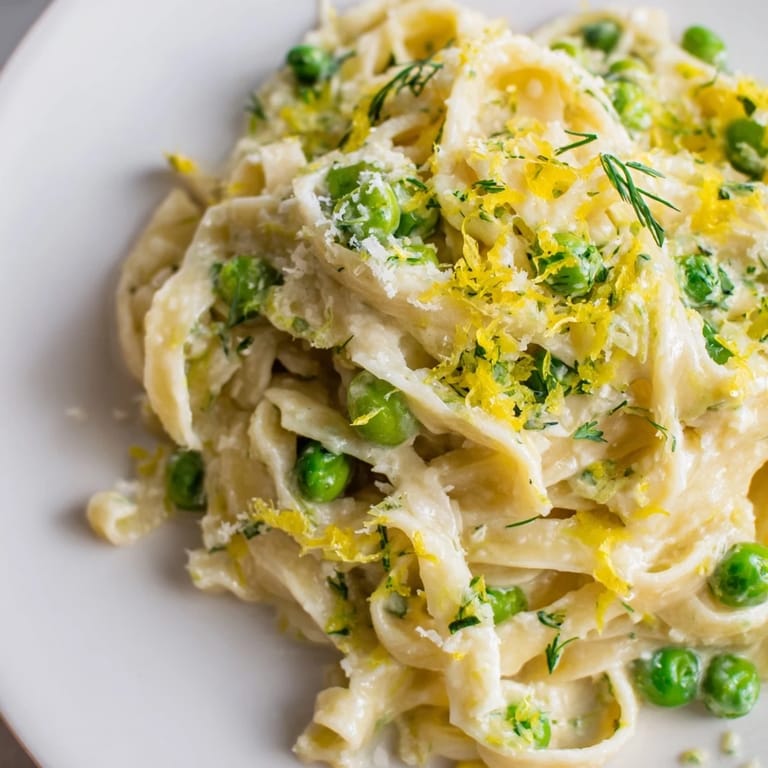
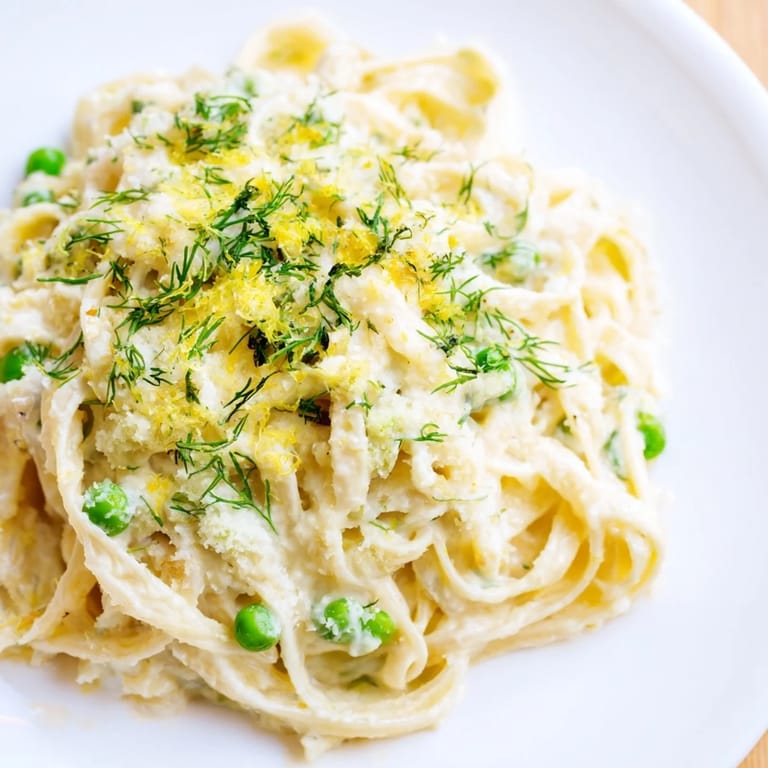
Save There's a particular Thursday evening I think of whenever I make this pasta—my neighbor knocked on my door with a bunch of fresh dill from her garden, apologizing that it had taken over her whole kitchen window. I had some cream and a lemon in my fridge, and pasta in the pantry, so I threw something together on the spot. What emerged was so bright and silky that I've made it at least once a month ever since, sometimes tweaking it but always coming back to that simple, elegant core.
I made this for my sister last spring when she was going through a rough time, and she asked for the recipe before she'd even finished eating. It became her go-to when she needed to feel better, and now whenever I taste it, I remember her sitting at my kitchen counter, fork in hand, finally smiling.
Ingredients
- Pasta (350 g dried fettuccine, linguine, or penne): Choose whatever shape you love; I prefer fettuccine because it catches the sauce in all the right places.
- Unsalted butter (2 tbsp): Start here as your flavor base—it's the foundation that lets the garlic and lemon shine.
- Garlic (2 cloves, minced): Mince it finely so it cooks evenly and doesn't overpower the delicate dill.
- Lemon zest (from 1 lemon): Use a microplane if you have one; it makes all the difference in brightening the entire dish.
- Heavy cream (200 ml): This is what makes the sauce silky and luxurious, coating each strand of pasta perfectly.
- Fresh lemon juice (2 tbsp): Squeeze it fresh if you can—bottled juice tastes flat by comparison in something this delicate.
- Dijon mustard (1 tsp): It adds a subtle tang that keeps the cream from feeling too rich, plus it helps emulsify the sauce.
- Salt and black pepper: Season the sauce, not just the pasta water, so the flavors bloom throughout.
- Parmesan cheese (40 g grated): Freshly grated melts smoother and tastes sharper than the pre-grated kind.
- Fresh dill (3 tbsp chopped, plus extra for garnish): This is the star—don't skip it or use dried dill, as it transforms the whole dish into something bright and alive.
- Peas (1 cup, optional): They add a subtle sweetness and a gentle pop of color.
- Smoked salmon (150 g flaked, optional): If you want to make this a more substantial meal, this adds a beautiful salty note.
Tired of Takeout? 🥡
Get 10 meals you can make faster than delivery arrives. Seriously.
One email. No spam. Unsubscribe anytime.
Instructions
- Boil the pasta:
- Fill a large pot with water, salt it generously so it tastes like the sea, and bring it to a rolling boil. Drop in your pasta and cook according to package instructions until al dente—test a strand and bite it; it should have a tiny bit of resistance. Reserve half a cup of the starchy water before draining, because this liquid is liquid gold for loosening the sauce.
- Start the sauce base:
- While the pasta's bubbling away, melt butter in a large skillet over medium heat. Add your minced garlic and lemon zest, stirring constantly for about a minute until the whole kitchen smells incredible—that's when you know the aromatics are releasing their oils.
- Build the creamy foundation:
- Pour in the heavy cream, fresh lemon juice, and Dijon mustard all at once. Lower the heat slightly and let it simmer gently for two to three minutes, stirring occasionally, until you notice the sauce thickening just slightly and becoming cohesive.
- Melt in the cheese:
- Stir in the Parmesan, salt, and pepper. Keep stirring until the cheese melts completely and disappears into the sauce, creating something smooth and velvety with no grainy bits.
- Bring it all together:
- Add your drained pasta directly to the skillet and toss gently, using tongs or two forks to coat every strand. If the sauce seems too thick, splash in a bit of that reserved pasta water and keep tossing until it coats the pasta with a silky sheen.
- Finish with freshness:
- Fold in the chopped fresh dill and peas if you're using them, tossing until everything is heated through and evenly distributed. The heat should barely wilt the dill, keeping its color bright and flavor fresh.
- Taste and serve:
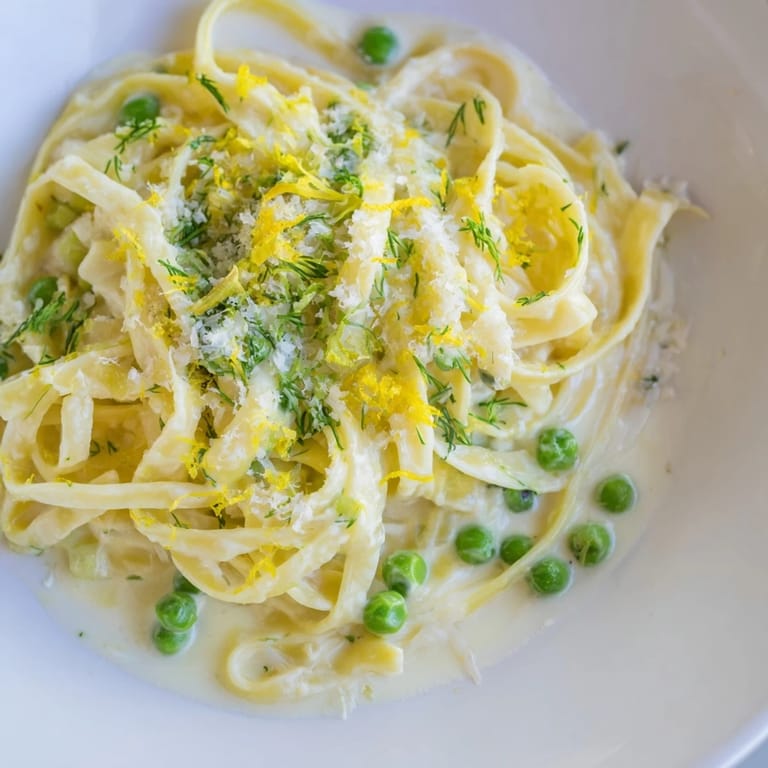
- Grab a fork, taste a bite, and adjust the seasoning if it needs a pinch more salt or a squeeze more lemon. Serve immediately in warm bowls, finishing with a handful of extra dill and any smoked salmon you're adding.
 Save
Save I remember being stressed about dinner when my roommate's parents came to visit unexpectedly, and I made this dish almost without thinking. As we ate, her mother asked for the recipe, and her father went back for seconds. It reminded me that the best meals aren't always the complicated ones—sometimes it's just about starting with good ingredients and letting them speak for themselves.
Why Fresh Dill Matters So Much
Dill has an almost grassy, bright quality that changes depending on whether you're using it fresh or dried, and in this dish it's absolutely essential to use the fresh herb. Dried dill tastes dusty and one-dimensional by comparison, missing the delicate anise notes that make this sauce feel sophisticated rather than heavy. The moment you stir in the fresh dill at the end, the whole dish transforms—it stops being just cream and lemon and becomes something alive and memorable. That's why I buy dill specifically for this recipe rather than grabbing whatever herb looks good at the market.
Making It Your Own
This recipe is honestly a jumping-off point, and some of my best versions have come from working with what I had on hand. A handful of sautéed mushrooms adds earthiness, fresh asparagus brings a slight bitterness that balances the cream, and if you happen to have spinach, it wilts right in and adds color. The base of butter, garlic, cream, and lemon is strong enough to carry whatever vegetables or proteins you want to toss in, so don't feel locked into the original version.
Serving and Pairing Ideas
I usually serve this with a simple green salad on the side to cut through the richness, and a chilled glass of Sauvignon Blanc if I'm having something to drink. A crusty piece of bread for soaking up every last drop of sauce is non-negotiable in my kitchen, though some people skip that step and I respect their restraint.
- A squeeze of fresh lemon juice at the table lets everyone adjust the brightness to their taste.
- If you're cooking for someone with dietary restrictions, you can swap heavy cream for half-and-half for a lighter version that still tastes silky.
- Leftovers keep for a day or two in the fridge, though the pasta gets softer—I like adding a splash of cream when I reheat it to bring back the silky texture.
 Save
Save This pasta has become one of those dishes I turn to whenever I want to feel like I'm taking care of myself and the people around me. It's simple enough not to stress about, but elegant enough to feel like something special.
Recipe FAQ
- → What type of pasta works best?
Fettuccine, linguine, or penne are ideal as they hold the creamy sauce well.
- → Can I substitute heavy cream?
Yes, half-and-half provides a lighter alternative while maintaining creaminess.
- → What role does fresh dill play?
Dill adds a bright, herbal note that complements the lemon and creamy elements nicely.
- → How to add more vegetables?
Sautéed mushrooms or asparagus can be stirred in for extra texture and nutrition.
- → Is smoked salmon essential?
Smoked salmon is optional and adds a savory richness but can be omitted for a vegetarian version.