 Save
Save I discovered this dish during a chaotic weeknight when I'd emptied three corners of my produce drawer and suddenly realized I had the makings of something far more interesting than a sad stir-fry. Instead of mixing everything together, I started cooking each cluster in its own pan, and something clicked—three distinct personalities on one plate, each singing in its own language but somehow harmonizing. It felt like a small kitchen revelation, and now it's become my go-to when I want to feel like I'm traveling without leaving my kitchen.
I made this for friends who were all arguing about where to order dinner from, and instead of choosing a side, I just cooked this. Watching them navigate the three clusters, mix flavors, and suddenly stop arguing to actually taste things felt like a small victory. One friend even said the Mediterranean eggplant reminded her of a trip she'd taken, while another was lost in the sesame-ginger comfort of the Asian side.
Ingredients
- Extra-virgin olive oil (Mediterranean and Middle Eastern): Quality matters here since it's doing half the seasoning work; save the expensive bottle for the Mediterranean cluster where it's the star.
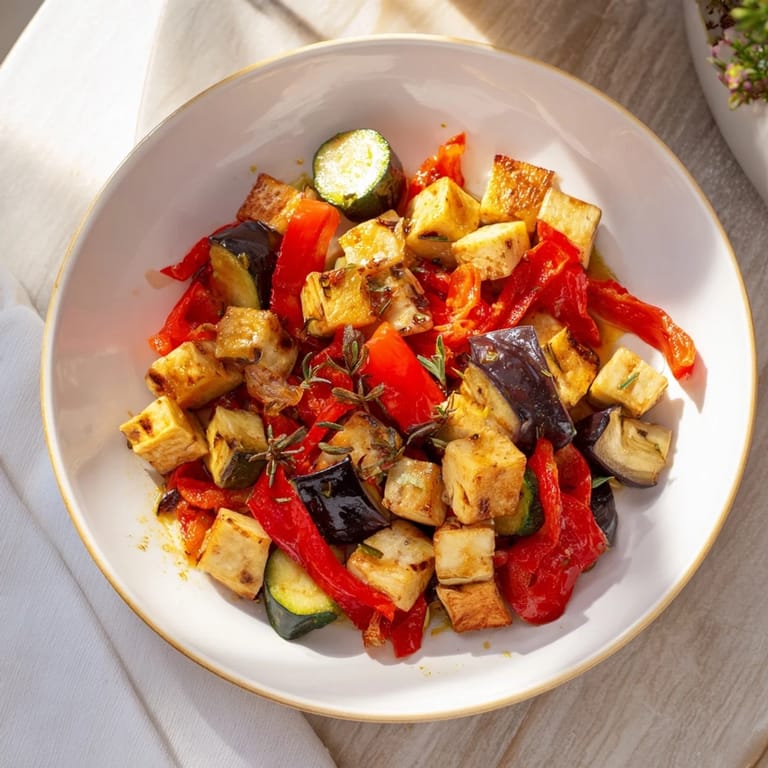
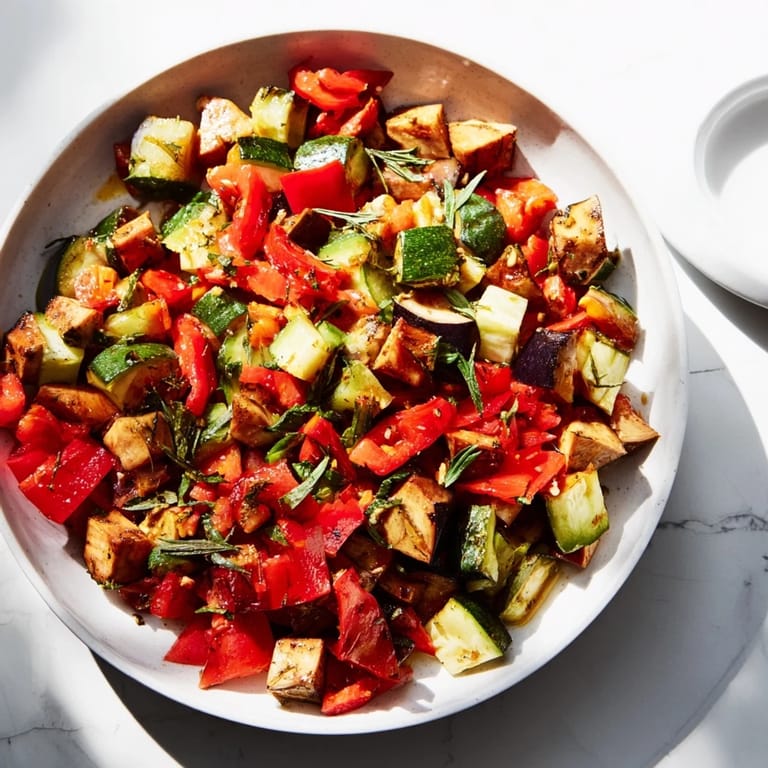
- Eggplant: Dicing it small helps it cook faster and absorb all that oregano-garlic magic without turning into mush.
- Shiitake mushrooms: Their meaty texture stands up to high heat and won't wilt into nothing like button mushrooms would.
- Chickpeas: Buy canned to save time, but rinse them well or they'll make everything gluey and one-note.
- Toasted sesame oil: A little goes a long way—this isn't olive oil, and using too much turns bitter and overwhelming.
- Bulgur or quinoa: Bulgur gives you that nutty, chewy texture faster, but quinoa works beautifully if you want gluten-free or prefer its fluffiness.
- Ground spices (cumin, coriander, cinnamon): If these are sitting in your cabinet unopened for more than a year, replace them; stale spices taste like dusty disappointment.
- Fresh herbs and citrus: The parsley, mint, and lemon juice are what prevent everything from tasting like just another vegetable situation.
Tired of Takeout? 🥡
Get 10 meals you can make faster than delivery arrives. Seriously.
One email. No spam. Unsubscribe anytime.
Instructions
- Set up your mise en place:
- Chop everything first and arrange your three pans side by side before you turn on any heat. This isn't just organization—it changes the entire rhythm of cooking and prevents you from scrambling halfway through.
- Build the Mediterranean cluster:
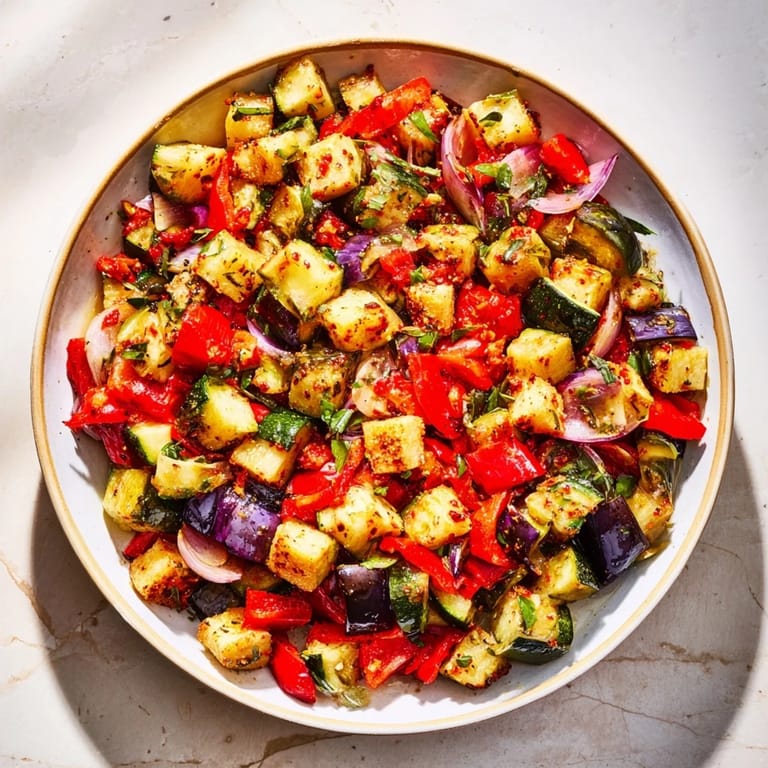
- Heat your olive oil until it's shimmering and fragrant, then add the diced eggplant. Let it sit for a minute before stirring so it gets those golden edges that make all the difference. Once the eggplant starts to soften, add the bell pepper, zucchini, tomatoes, and garlic—they'll finish cooking together while absorbing all that oregano perfume.
- Sear the Asian cluster:
- Sesame oil loves heat, so crank this pan hotter than the others. The mushrooms should hit the oil with a satisfying sizzle, and you'll know you're doing it right when they develop a slight caramelized edge. The snap peas come in next and should stay bright and snappy, not soft—this is where timing becomes your friend.
- Layer the Middle Eastern cluster:
- Start with the red onion getting soft and slightly sweet, then add your chickpeas and bulgur with those warm spices. You're building flavor depth here, letting the cumin and cinnamon warm through the chickpeas rather than just dumping everything together cold.
- Finish and compose:
- Pull everything off heat, give each cluster a final seasoning check, then arrange them on your platter like you're painting a picture. Each cluster should be distinct enough that diners can taste them separately before choosing which ones to mix.
 Save
Save There's something that happens when you place three distinct flavor clusters in front of people—they slow down. They become curious. Everyone builds their own plate in their own way, mixing flavors or eating each cluster pure, and suddenly dinner feels less like an obligation and more like an adventure.
Why This Recipe Works as a Centerpiece
This dish thrives on contrast. The Mediterranean side is warm and herbaceous, the Asian side brings brightness and sesame-ginger snap, and the Middle Eastern cluster offers earthiness with a hint of spice warmth. They're completely different languages, but they speak beautifully on the same plate. I've found that serving them separately encourages people to taste more carefully and mix more intentionally, which somehow makes everything taste better.
Making It Work for Your Pantry
The beauty of this recipe is that it's not precious. Don't have shiitake mushrooms? Cremini, oyster, or even portobello work fine. Out of chickpeas? White beans, black beans, or even cooked lentils fit seamlessly into the Middle Eastern cluster. The spice framework stays the same, but you're cooking what you have, not what a recipe dictates, which somehow always tastes better.
Scaling and Customizing for Your Table
I've made this for two people and for ten, and the formula stays beautifully simple: one cluster per person is about right if you're serving it as a main dish, or you can scale everything up by simply doubling the ingredients and using more pans. Some nights I add grilled chicken to the Mediterranean side, other times I toss tofu into the Asian cluster for protein, and occasionally I'll layer lamb through the Middle Eastern portion.
- For vegan: Skip the feta and use tamari instead of regular soy sauce to keep everything plant-based.
- For a lighter meal: Serve over bed of greens or with just flatbread instead of rice.
- For meal prep: Each cluster stores separately in the fridge for three days, so you can mix and match throughout the week.
 Save
Save This recipe taught me that sometimes the most interesting meals come from saying yes to complexity instead of simplifying it away. It's become the dish I turn to when I want to impress without stress, and honestly, it impresses me every time.
Recipe FAQ
- → What are the main flavor profiles in the clusters?
The clusters balance earthy eggplant and oregano from the Mediterranean section, umami mushrooms and ginger in the Asian cluster, and warm spices like cumin and cinnamon in the Middle Eastern portion.
- → Can this dish be made gluten-free?
Yes, replace bulgur with quinoa and use tamari instead of soy sauce to keep it gluten-free without compromising flavor.
- → What proteins work best with these clusters?
Grilled chicken, tofu, or lamb can be added to any cluster for extra protein depending on dietary preferences.
- → Are there vegan options available?
Omit the optional feta cheese and ensure tamari is used instead of soy sauce for a fully vegan dish.
- → What are ideal accompaniments for serving?
Flatbread or steamed rice complement the flavors and add heartiness, enhancing the shareable experience.
- → How should the clusters be served?
Arrange the three clusters side by side on a large platter or individual plates, garnished with sesame seeds, fresh herbs, and optional feta for variety.